
Parents want clear signs that show real progress in early education. A strong start helps children build confidence, curiosity, and essential skills. The right environment shapes how children respond to learning and social situations in the future.
When exploring kindergarten schools in Singapore, families often look for programs that go beyond basic learning. Singapore offers structured environments, so identifying the right signs helps parents choose a place that truly supports growth.
1. Clear Progress in Everyday Learning
A strong program shows visible progress in simple ways. Children begin to express ideas clearly and complete small tasks with confidence. Parents can notice improvements in communication and understanding within a short time. In Singapore, structured learning paths help children move forward step by step. Teachers guide children through activities that match their stage. Progress does not feel forced, which allows children to stay comfortable. Consistent development in daily learning shows that the program supports real growth and builds a strong base for future education.
2. Positive Response to Classroom Routines
Children who feel comfortable in routines tend to adjust better to structured environments. A strong program introduces simple schedules that help children know what to expect. This builds a sense of security and confidence. In Singapore, classrooms often follow balanced routines that include learning, play, and rest. Children who respond well to these routines show readiness for further education. Parents can observe how easily their child adapts. A positive response to routine reflects a supportive environment that helps children feel settled and focused.
3. Strong Communication Development
Clear communication is a key sign of growth. Children begin to use words to express needs and ideas. They also improve their listening skills and respond better to instructions. Singapore provides a diverse setting where children hear different accents and languages. This helps improve adaptability and understanding. Teachers encourage conversations through storytelling and simple discussions. When children speak with confidence and clarity, it shows that the program supports language development in a meaningful way.
4. Comfort in Social Interaction
Children who feel secure interact more freely with others. They share, listen, and respond in a calm way. Social confidence grows when children feel supported in group settings. In Singapore, early education programs focus on building these skills through guided activities. Teachers create opportunities for children to work together. Parents can observe how children engage with peers during visits. Comfort in social interaction shows that the environment encourages healthy relationships and emotional stability.
5. Balanced Mix of Play and Learning
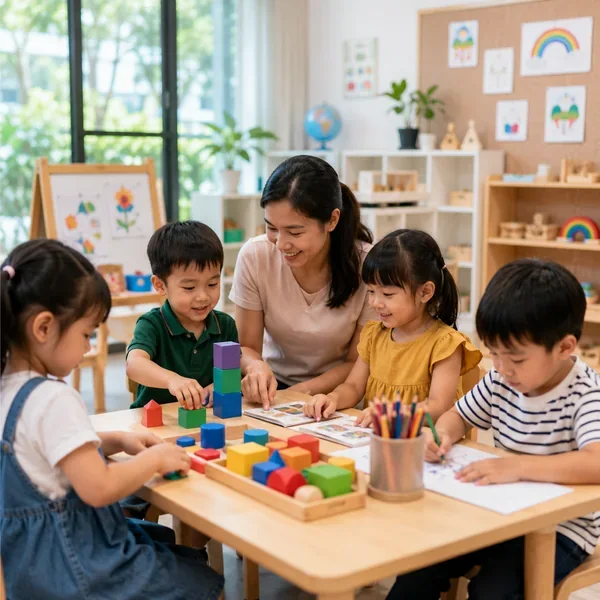
A program that supports growth includes both structured learning and play. Children learn better when activities feel engaging and natural. Play helps introduce concepts without pressure. Singapore classrooms often combine creative tasks with guided lessons. This balance keeps children interested and active. Parents should check how activities are planned throughout the day. A good mix ensures that children enjoy learning while building important skills. This balance reflects a thoughtful approach to early education.
6. Support for Emotional Stability
Emotional development plays an important role in the early years. Children need to feel safe before they can focus on learning. A strong program helps children understand and manage emotions. Teachers guide children through situations that involve sharing and patience. Singapore classrooms provide a calm and supportive environment. Parents can observe how teachers respond to children’s needs. Emotional stability shows that the program supports both personal growth and learning readiness.
7. Exposure to Broader Learning Perspectives
A program that introduces different perspectives helps children become adaptable. Exposure to various ideas and activities supports curiosity. Some parents explore options such as an international kindergarten school to understand broader learning approaches. Singapore offers programs that include global elements within structured learning. This exposure helps children adjust to different environments. It also supports open thinking and adaptability. A wider perspective adds value to early education and prepares children for future learning stages.
8. Consistent Feedback for Parents
Regular updates help parents understand how their child is progressing. A strong program shares feedback through meetings or reports. Parents should receive clear information about development and behavior. In Singapore, many programs focus on open communication with families. This helps create consistency between home and school. Parents who stay informed can support learning more effectively. Consistent feedback shows that the program values collaboration and focuses on overall child development.
What Parents Can Notice During Daily Interactions
- The child shows interest in sharing daily experiences
- Comfort in following simple instructions
- Willingness to interact with peers
- Calm response to new situations
- Ability to complete small tasks independently
Choosing the right program requires attention to signs that reflect real growth. With kindergarten schools in Singapore, families gain access to structured environments that support early development. Singapore continues to offer reliable options that focus on both learning and emotional well-being. These early years shape how children think, communicate, and interact. A program that shows clear signs of progress helps children build confidence and prepares them for future academic success in a supportive setting.

Make Swikblog your go-to source on Google for reliable updates, smart insights, and daily trends.