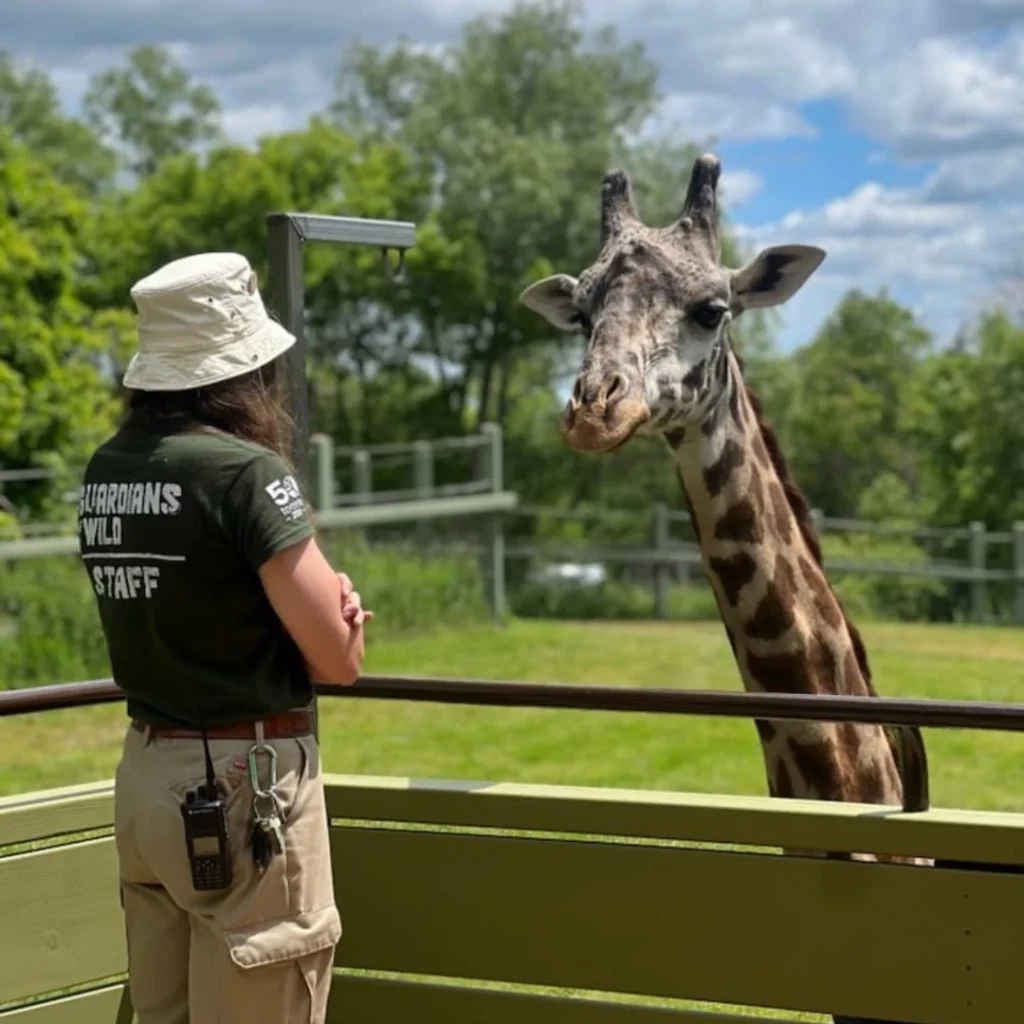

The Toronto Zoo has released final findings into the death of Kiko, a 13-year-old Masai giraffe that died on January 1, 2026, during a behind-the-scenes habitat move. The zoo said a previously unnoticed gap linked to a slide-shift door mechanism contributed to the fatal incident.

A complete postmortem by the Ontario Veterinary College at the University of Guelph found Kiko’s death was consistent with cardiac failure associated with acute muscle exertion. The zoo said no hidden illness, fracture, or pre-existing condition was found that would explain the sudden collapse.
What happened during the habitat move
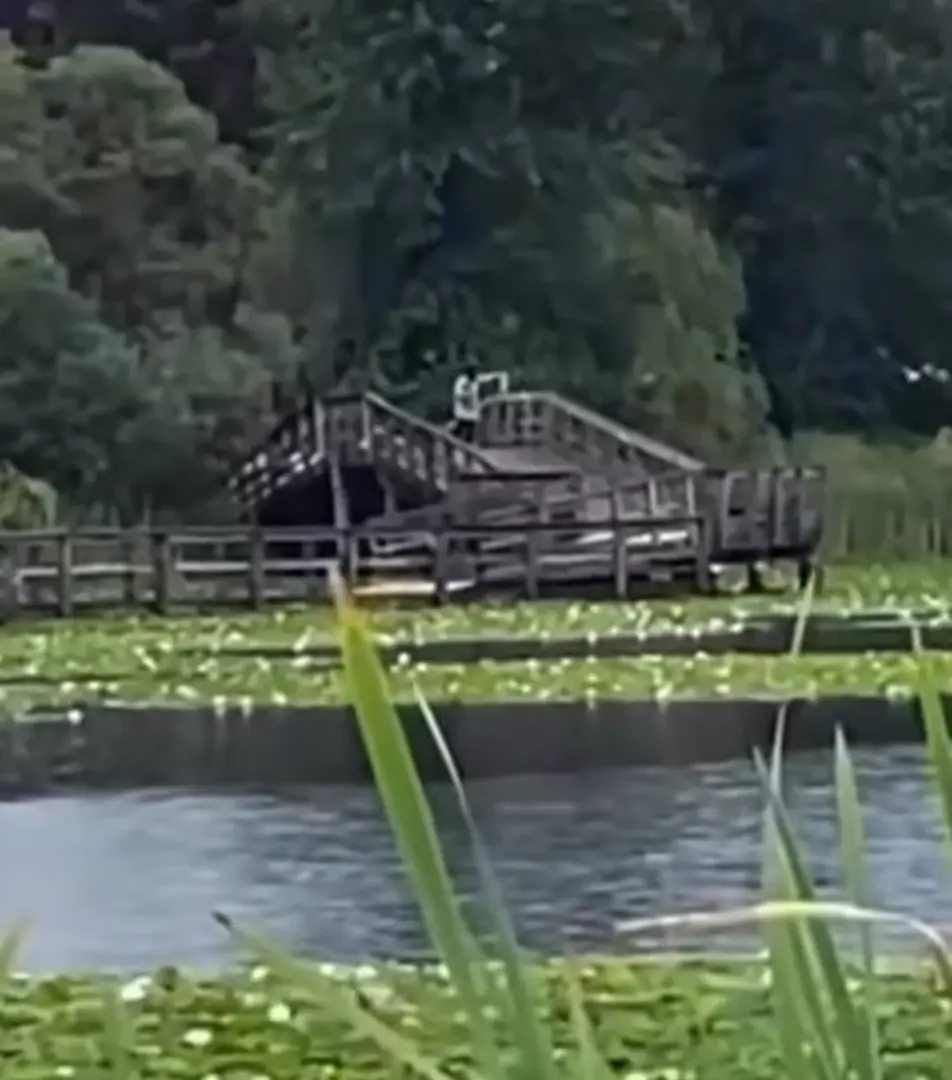
According to the zoo, Kiko’s head became caught in a small gap between a slide-shift door and a vertical post as the door was opening. Staff described the move as a routine procedure that had been carried out many times before, with trained team members following established animal-care protocols.
The final review points to an unexpected design vulnerability rather than a known safety issue. The narrow opening was not previously identified as a hazard, but in this case it created a dangerous situation that escalated quickly.
Key point: The zoo said Kiko’s death was not linked to a long-term disease. The findings indicate a sudden physical stress response after the entrapment.
Why acute exertion can be deadly for large animals
The case has also drawn attention to exertional myopathy, a serious condition that can occur when a wild animal experiences intense stress or extreme physical exertion. In severe cases, muscle damage can trigger a rapid buildup of enzymes in the body, affecting vital organs and leading to heart failure.
For large animals such as giraffes, even a short period of panic or struggle can carry serious risk because of their size, anatomy, and sensitivity to stress. That is why habitat design, door systems, and animal-shifting procedures are now central to the zoo’s review.
Reviews and safety changes now underway
The Toronto Zoo said multiple reviews are underway, including an independent third-party assessment of processes and human factors, a special inspection by the Association of Zoos and Aquariums, and an internal review of habitat retrofits.
The review will pay close attention to hydraulic doors, moving barriers, and any small spaces that could appear during normal operation. The practical goal is to identify engineering changes that prevent a similar gap from becoming a risk again.
The incident may also be watched by other accredited zoos, especially those that use similar behind-the-scenes shifting systems for large hoofed animals. A single mechanical detail can become important when animal size, movement, and stress response are all part of daily care.
Focus turns to Mstari and Kiko’s calf
Attention has also turned to Mstari, a female Masai giraffe in late-stage pregnancy with Kiko’s offspring. The zoo said she continues to be monitored closely by veterinary and animal-care staff.
Giraffe calves are primarily raised by their mothers, and adult males usually do not take part in direct caregiving after mating. That means Mstari’s health and the calf’s early care remain the most important priorities for the zoo’s giraffe team.
For related background on the Toronto Zoo’s giraffe program, see this report on the Toronto Zoo baby Masai giraffe Imara.
The zoo’s official postmortem update can be viewed through the Toronto Zoo media room.

Make Swikblog your go-to source on Google for reliable updates, smart insights, and daily trends.