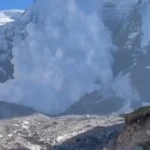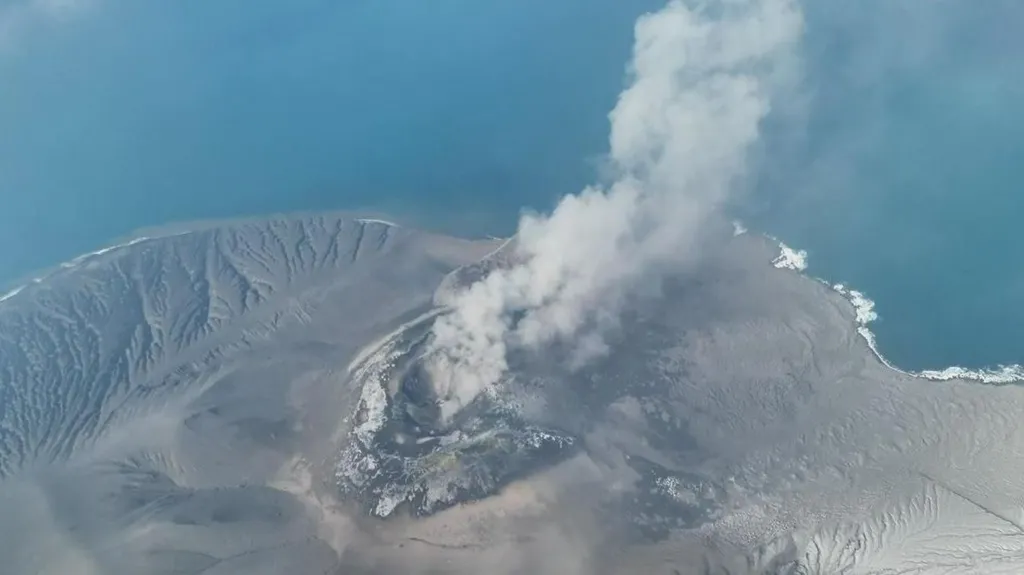

JAKARTA, Indonesia — Indonesia’s Anak Krakatau volcano erupted through a second straight day, sending volcanic ash as high as 50,000 feet and causing widespread disruption across the country’s aviation network.
The powerful activity began late Friday, September 4, before intensifying over the weekend. Ash spread across parts of Java and Sumatra, forcing authorities to temporarily close airports, cancel flights and divert aircraft away from affected airspace.
Nearly 3,000 domestic and international flights were affected during the two-day disruption, according to Indonesia’s Ministry of Transportation. Approximately 341,000 passengers experienced cancellations, delays or diversions.
Krakatau erupted for a second straight day in Indonesia, sending a massive ash plume more than 50,000 feet into the sky and disrupting air travel. pic.twitter.com/a9jRVxmUbq
— Breaking911 (@Breaking911) September 7, 2026
Ash plume reaches major flight routes
Indonesia’s Meteorology, Climatology and Geophysics Agency, known as BMKG, said volcanic ash was detected at different altitudes and moving in several directions because of changing winds.
One concentration of ash reached approximately 20,000 feet and moved east, while higher-level material climbed to about 50,000 feet and travelled west. The affected area included Jakarta, Banten, West Java, Lampung, Bengkulu and sections of the Sunda Strait and Indian Ocean.
BMKG said it issued at least 18 Significant Meteorological Information warnings, known as SIGMETs, after the initial eruption was recorded at approximately 11:23 p.m. local time on September 4.
Volcanic ash presents a serious danger to aircraft because fine particles can reduce visibility, damage flight systems and melt inside jet engines. Airport closures were therefore maintained even after some ground tests stopped detecting ash.
Soekarno-Hatta International Airport and Halim Perdanakusuma Airport, which serve Jakarta, were among the facilities temporarily closed. Airports in Bandung, Lampung and Banten were also affected.
Routes connecting Jakarta with Singapore, Kuala Lumpur, Sydney, Doha and other international destinations experienced cancellations or schedule changes. Passengers have been advised to confirm their flight status directly with their airline before travelling to an airport.
The incident follows other recent cases in which volcanic ash has affected regional aviation, including flight cancellations caused by ash from New Zealand’s Whakaari volcano.
Jakarta airports reopen, but volcano remains active
Flights at Soekarno-Hatta, Halim Perdanakusuma and several other airports resumed early Tuesday following inspections and cleaning of runways, taxiways, aprons and aircraft.
Indonesia’s Transport Minister Dudy Purwagandhi said authorities were taking a cautious approach because wind direction around the volcano remained highly changeable.
Although the period of continuous lava fountains and loud explosions had eased by Sunday, Anak Krakatau remained active on Tuesday. Indonesia continues to maintain the volcano at its second-highest alert level.
Residents, tourists, fishermen and vessels have been advised to remain at least three kilometres—or approximately 1.9 miles—from the active crater.
BMKG said tsunami-monitoring instruments around the Sunda Strait had not detected an unusual change in sea level during the eruption. The agency nevertheless urged coastal communities to remain alert and rely on information released through official government channels.
Anak Krakatau sits in the Sunda Strait between Java and Sumatra. Its name means “Child of Krakatau” because it emerged from the volcanic system left behind by the catastrophic 1883 Krakatau eruption.
A partial collapse of Anak Krakatau in December 2018 generated a tsunami that killed more than 400 people along the coasts of Java and Sumatra.
Travellers should continue checking airline notices and official airport updates because delayed aircraft and crews could cause further schedule disruption even after airports reopen.
This report is based on updates from Indonesia’s BMKG, the Indonesian Ministry of Transportation and the Associated Press. Flight conditions can change quickly, and passengers should verify their individual service with the operating airline.

Make Swikblog your go-to source on Google for reliable updates, smart insights, and daily trends.