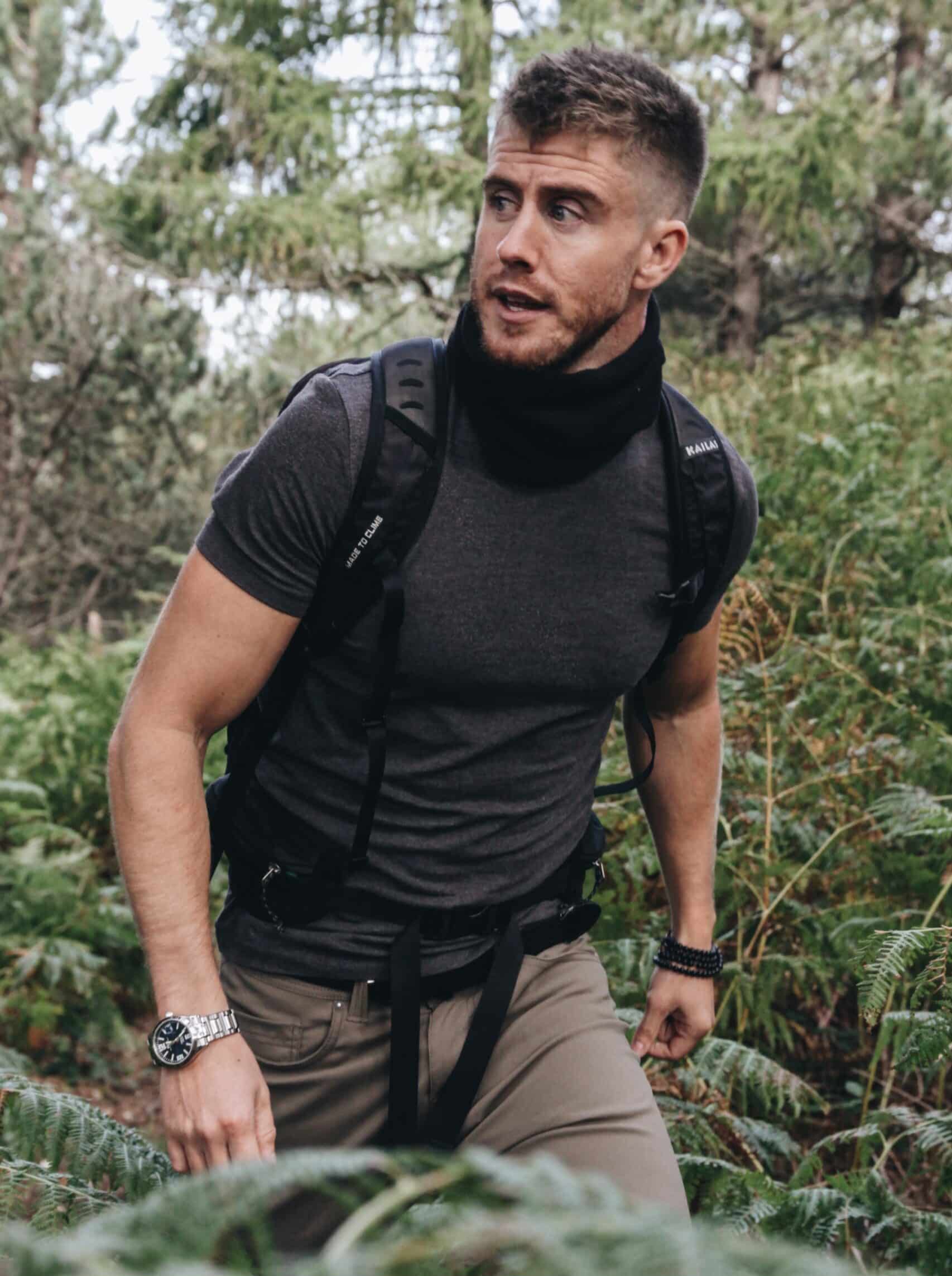

Welsh explorer Ash Dykes and his companions have been out of contact with their support team for more than 16 hours during a kayaking expedition through the Congo Basin, prompting a public appeal for patience as those managing his accounts await news.
The alert, shared on his social media accounts on October 21, offered little explanation for the silence. It said the length of time without communication was concerning and promised to update followers when more information became available. No last-known location or precise time of contact was disclosed.
LATEST UPDATE — October 22, 2026
Ash Dykes and his companions are safe. The Welsh explorer’s support team has confirmed that contact was restored after more than 16 hours of silence during their kayaking expedition through the Congo Basin.
According to an October 21 update, the group’s Starlink connection had stopped working and its power bank had run out of charge. The team received a message through Dykes’ satellite phone/Garmin device confirming that everyone was safe.
The explorers remain unable to send videos or regular updates and can communicate only through short messages when a satellite signal is available. Their support team has promised further updates as new information becomes available.
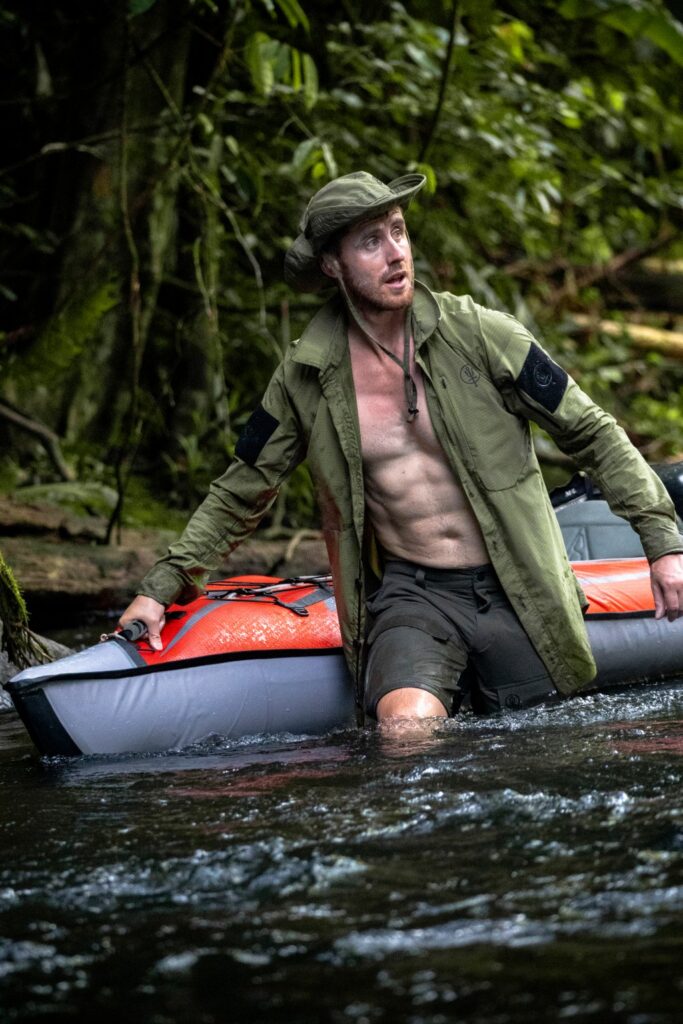
Dykes is travelling down the Sangha River in an inflatable kayak, accompanied by a local guide and a videographer. The journey is expected to take three to four weeks. Although some headlines have described him as missing, the statement itself establishes a loss of communication; it does not confirm an accident or that the group is in immediate danger.
A 700-kilometre journey through the Congo Basin
The expedition began on October 8, according to reporting on his departure. Its planned route stretches more than 700 kilometres from Nola in the Central African Republic to Mossaka in the Republic of the Congo. It is the opening mission of Project 6, Dykes’ series of six expeditions across extreme environments over 12 months.
On his official expedition page, Dykes describes a journey where illness, unsafe water and relentless heat can become serious problems far from medical help. For much of the route, the nearest doctor could be several days away. Working with local communities and documenting pressures on the forest and its wildlife are also part of the project.
The difficulties began before the group reached the river.
After arriving in Cameroon, Dykes reported that luggage containing tents and pumps for the inflatable kayaks had gone missing. The equipment was eventually recovered, but entry paperwork created another delay.
He later explained that the documentation they carried was intended for air travel into Bangui, complicating their overland entry into the Central African Republic. Their approach to Nola also involved a two-hour motorboat journey after sunset, through rain and lightning.
More recently, an October 20 video showed Dykes describing a painful insect sting after feeling something moving beneath his shirt. He was unsure what had stung him. There is no established link between that incident and the subsequent communication alert.
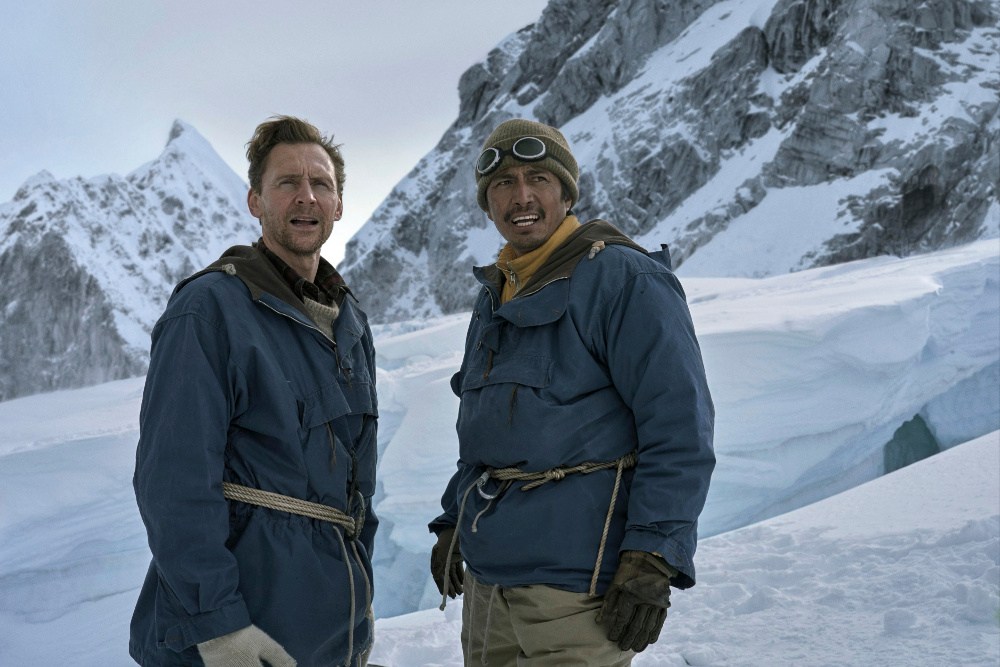
Dykes’ previous journeys have taken him from Mongolia’s Gobi Desert to the length of the Yangtze River. The preparation and endurance behind such expeditions also feature in Tenzing, the mountaineering drama explored in our review, which follows another very different journey into an extreme environment.
An experienced explorer, with questions still unanswered
Dykes has spent more than a decade undertaking long-distance expeditions. His official biography lists five Guinness World Records, including four world firsts, across Mongolia, Madagascar, China and Suriname.
In 2014, he crossed Mongolia solo and unsupported, covering approximately 1,500 miles in 78 days. He later traversed Madagascar, climbing its eight highest mountains during a journey in which he contracted malaria.
Between August 2018 and August 2019, he walked approximately 4,000 miles along the Yangtze River from source to sea. In 2024, he took part in a source-to-sea expedition along Suriname’s Coppename River on foot and by kayak.
For now, the central questions concern the expedition’s whereabouts and why contact stopped. Satellite communications were part of the group’s plans, but the available statement does not identify a technical fault or explain whether a scheduled check-in was missed.
The October 21 alert did not announce a search or rescue operation, report injuries or confirm what had happened on the river. The support team said it would share further information once it heard from Dykes and his companions.

Make Swikblog your go-to source on Google for reliable updates, smart insights, and daily trends.