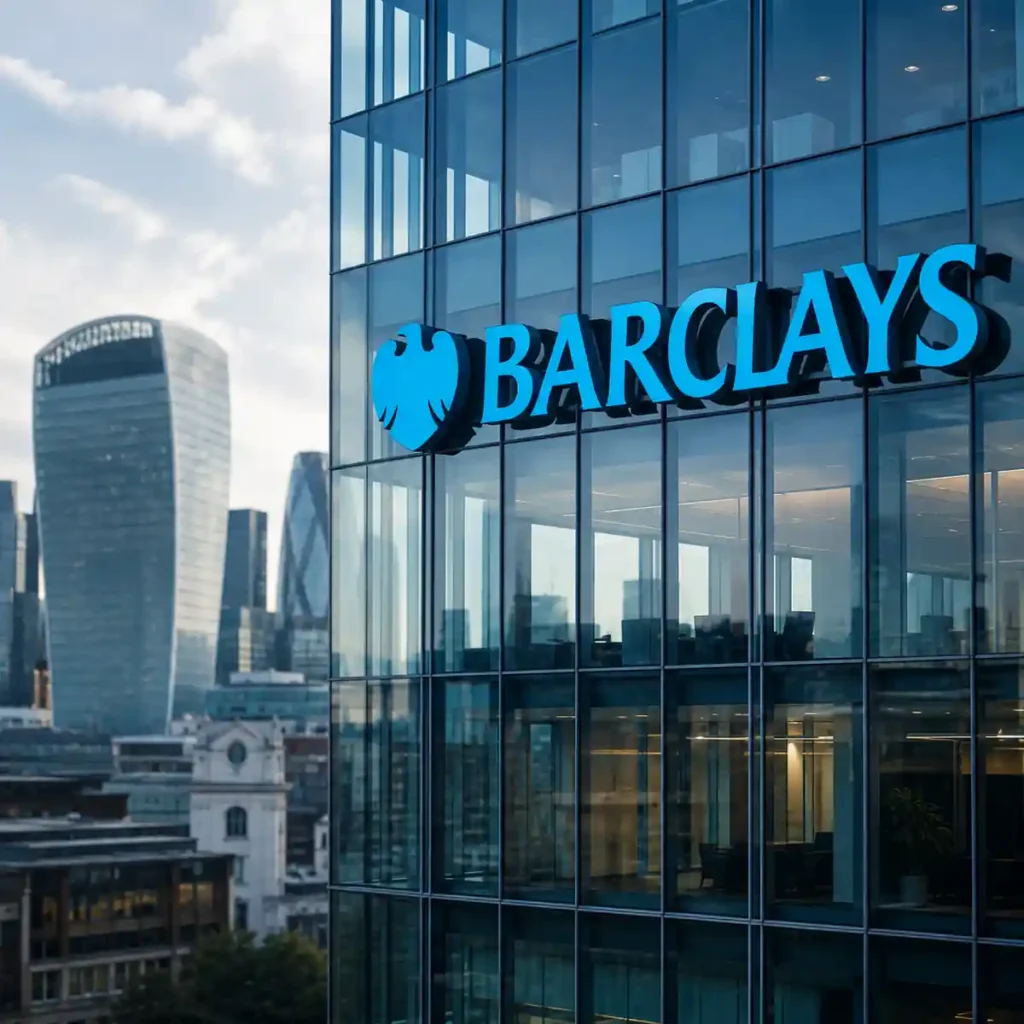

LONDON, October 22, 2026 — Barclays plans to cut approximately 5,000 jobs worldwide by the end of 2026, despite reporting a 12% rise in quarterly profit, as the British banking giant expands its use of artificial intelligence to reduce costs and streamline operations.
The reductions represent around 5% of its global workforce. Approximately 1,000 positions have already been eliminated, with another 4,000 expected to go before December ends. UK retail banking employees, support teams and technology-related roles face significant disruption.
The announcement highlights a growing challenge for banking workers: even profitable financial institutions are reducing staff as automation changes how everyday operations are managed.
Barclays Job Cuts 2026: Which Employees Are Affected?
Barclays expects approximately 60% of the reductions, equivalent to around 3,000 positions, to come from support functions, including operational and technology teams.
Software developers are among the affected roles as the bank adopts more efficient technology systems. UK retail banking is expected to account for a substantial share of the reductions, although investment banking will also be affected.
The bank has not disclosed a complete country-by-country breakdown or confirmed how many positions will be eliminated in India and other overseas operations.
AI and Automation Drive Barclays Restructuring
Barclays said the cuts form part of a technology-enabled effort to simplify its organisation and lower operating expenses.
Artificial intelligence is increasingly being used to support software development, process information and automate repetitive administrative work.
However, Barclays has not said AI will directly replace all 5,000 employees. The restructuring also involves organisational changes and the consolidation of existing responsibilities.
Other major banks are facing similar workforce questions. HSBC’s AI-related job cuts in UK wealth management highlight how technology investment is influencing staffing decisions across the financial sector.
Barclays Reports £2.3 Billion Profit Despite Layoffs
The announcement accompanied Barclays’ third-quarter earnings, which showed pre-tax profit rising 12% year on year to approximately £2.3 billion.
Group income reached £7.4 billion, below analysts’ expectations of roughly £7.6 billion.
Net interest income remained broadly unchanged at £3.91 billion, while the bank’s common equity tier one capital ratio slipped to 14.2% from 14.3% in the previous quarter.
Return on tangible equity fell to 11.7% from 16.1%.
Barclays also announced a £500 million share buyback, highlighting the contrast between shareholder returns and workforce reductions.
Detailed earnings disclosures are available through the official Barclays financial results portal.
Investment Banking Performance Adds Pressure
Barclays’ investment banking division delivered mixed results during the quarter.
Equities trading income increased 47%, while fixed-income trading revenue declined 19%, contributing to weaker-than-expected performance in parts of the business.
Jaguar Land Rover Job Cuts: 4,000 Roles Affected in Workforce Reduction
Uber Job Cuts 2026: Latest Layoff News and Workforce Updates
The results help explain why management is focusing on controlling expenses even as overall quarterly profits increase.
Barclays Restructuring Costs and Savings Targets
The bank has reportedly committed approximately £307 million to restructuring during the first nine months of 2026, with another £300 million expected before year-end.
That would bring annual restructuring expenditure to around £607 million.
Barclays is targeting longer-term efficiency improvements through 2028, although savings from the wider programme should not be attributed entirely to artificial intelligence.
Impact on Barclays Employees and Customers
For employees, immediate concerns include redundancy notices, severance arrangements, possible redeployment and opportunities to move into technology-focused roles.
Barclays has not published a detailed timetable showing when individual workers will be notified or which overseas offices will face the largest reductions.
The trend extends beyond Britain. Commonwealth Bank’s decision to cut 119 jobs amid AI-related workforce changes offers another example of how banks are reassessing staffing requirements.
For customers, Barclays has not announced changes to deposits, account access or banking fees directly linked to the layoffs.
However, increased automation could gradually change how routine enquiries and customer support requests are handled.
Remaining 4,000 Job Cuts Expected by December 2026
Barclays expects to complete the remaining reductions by the end of the year, making the coming months critical for employees awaiting clarity about their positions.
Investors will be watching whether the bank can deliver lasting cost savings without weakening customer service, technology oversight or investment banking performance.
The restructuring illustrates how AI is changing employment expectations across financial services, with profitability no longer guaranteeing workforce stability.

Make Swikblog your go-to source on Google for reliable updates, smart insights, and daily trends.