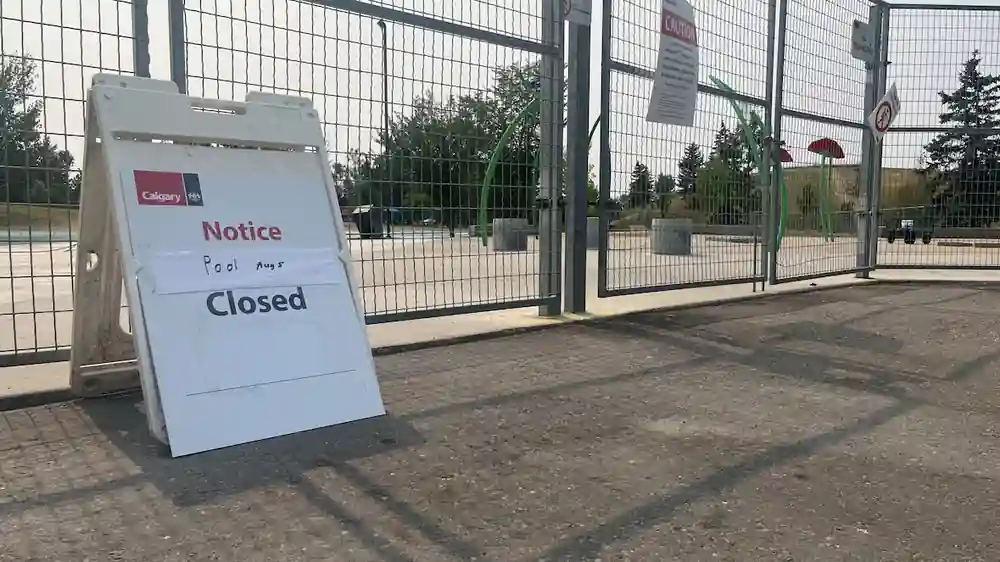

Three cases of Shiga toxin-producing E. coli have put a popular Calgary summer recreation spot under investigation, with Prairie Winds Park’s water facilities temporarily closed and people who visited during a 10-day period being warned about possible exposure.
The facilities were closed on August 7 as officials moved ahead with cleaning and additional testing. The warning is particularly relevant to anyone who used the water park between July 25 and August 4, 2026, the exposure period identified by Alberta health officials.
Rather than treating the closure as a general warning about Calgary’s recreational water facilities, visitors should focus on three things: whether they were at Prairie Winds during the exposure dates, whether they develop symptoms, and whether the City has officially cleared the facilities to reopen.
What happened at Prairie Winds Park?
Prairie Winds Park in northeast Calgary has a wading pool and spray park among its summer attractions. Health inspectors are investigating after three STEC cases were associated with the water facilities.
The City closed the facilities on August 7. The initial goal was to reopen after approximately one week, following further cleaning and testing, but that should not be treated as a confirmed reopening date.
Anyone considering a visit can check the City of Calgary’s spray park and wading pool updates for the latest operating information.
The dates matter more than the closure date
For people concerned about possible exposure, August 7 is not the most important date. The provincial alert identifies July 25 to August 4 as the period when visitors may have been exposed.
Being at the park during that period does not mean a person has E. coli. It means they fall within the group advised to be aware of symptoms.
Those symptoms can include diarrhea that may be bloody, stomach cramps and dehydration. Some cases can become serious enough to require hospitalization.
Young children, seniors and people who are immunocompromised can be at greater risk of severe illness. Anyone who develops symptoms after a possible exposure is advised to call 811 or see a healthcare professional.
Why this strain of E. coli is a concern
Many E. coli strains are harmless, but STEC produces Shiga toxin and can cause significant gastrointestinal illness. In some cases, infection can lead to hemolytic uremic syndrome, or HUS, a serious complication that can affect the kidneys.
That helps explain why three associated cases can lead to a precautionary closure even before investigators have publicly established exactly how the exposure occurred.
Calgary has dealt with a much larger E. coli event before. Hundreds of children became sick during the 2023 outbreak associated with several childcare centres. The current Prairie Winds investigation is separate, and there is no verified evidence connecting the two events.
What officials still do not know
The presence of associated cases does not by itself explain how the bacteria reached those affected.
E. coli can spread through the fecal-oral route when microscopic amounts of infected fecal material contaminate water, food, hands or surfaces and eventually reach another person’s mouth.
Water-park outbreaks are considered unusual because chlorination provides an important barrier against bacteria. However, officials have not publicly confirmed that contaminated water was the direct source at Prairie Winds Park.
There is also no verified information establishing a chlorination failure, equipment problem or maintenance issue. Those possibilities should not be assumed while the investigation continues.
Read More
What should families do after a possible exposure?
Visitors who were at the water facilities from July 25 through August 4 should monitor their health. If symptoms develop, they should contact 811 or seek medical care and mention the possible Prairie Winds Park exposure.
Frequent hand washing is recommended to help limit transmission, particularly after using the toilet or changing diapers and before preparing or eating food.
People experiencing diarrhea should not enter recreational water facilities. The public alert advises staying out of such facilities for at least two weeks after diarrhea has ended.
Similar precautions can arise when E. coli is detected through Canada’s food-safety system. A Canadian beef burger recall involving possible E. coli contamination provides related context on how exposure advice changes depending on the suspected source, while Canadian health and public-safety developments can help readers follow other warnings and recalls.
What Calgary residents should watch next
The warning applies specifically to the Prairie Winds water facilities and should not be interpreted as evidence that the entire park or other Calgary spray parks are affected.
For now, the key developments are whether additional cases are identified, what further testing finds and when Calgary officials determine that the water facilities can safely reopen.
Families planning another visit should check the facility’s current status before leaving home rather than relying on the initial one-week closure estimate. For anyone who visited during the exposure period, meanwhile, monitoring for symptoms and following public-health advice remain the most practical steps.

Make Swikblog your go-to source on Google for reliable updates, smart insights, and daily trends.