
THE HAGUE — The Dutch rail network was hit by widespread sabotage on Tuesday, September 15, after metal pipes and other objects were deliberately placed on or attached to tracks at dozens of locations, triggering safety-system failures and major cancellations during the morning rush hour.
A major coordinated sabotage attack was just carried out against railway infrastructure in at more than 20 locations in the Netherlands.
— Visegrád 24 (@visegrad24) September 15, 2026
Large 2 meter-long metal pipes were deliberately attached to the tracks, triggering track-circuit and safety system failures by tricking the… pic.twitter.com/WFmjDkJPOP
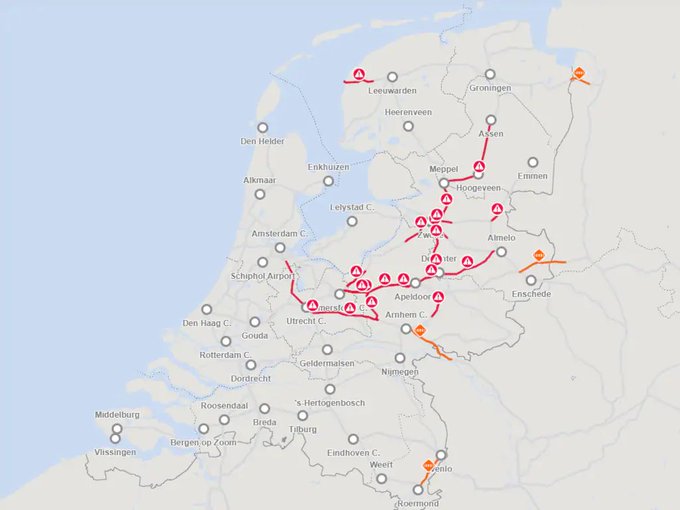
The disruption was particularly severe around Zwolle, Deventer and Amersfoort, with knock-on problems reaching Utrecht, Arnhem and other parts of the Netherlands. Infrastructure manager ProRail sent teams to inspect affected sections and remove suspicious material before trains could safely resume.
The incidents occurred on Prinsjesdag, the Netherlands’ annual Budget Day and state opening of parliament. Authorities have not established that the politically significant timing was intentional.
Metal pipes found at 30-plus locations
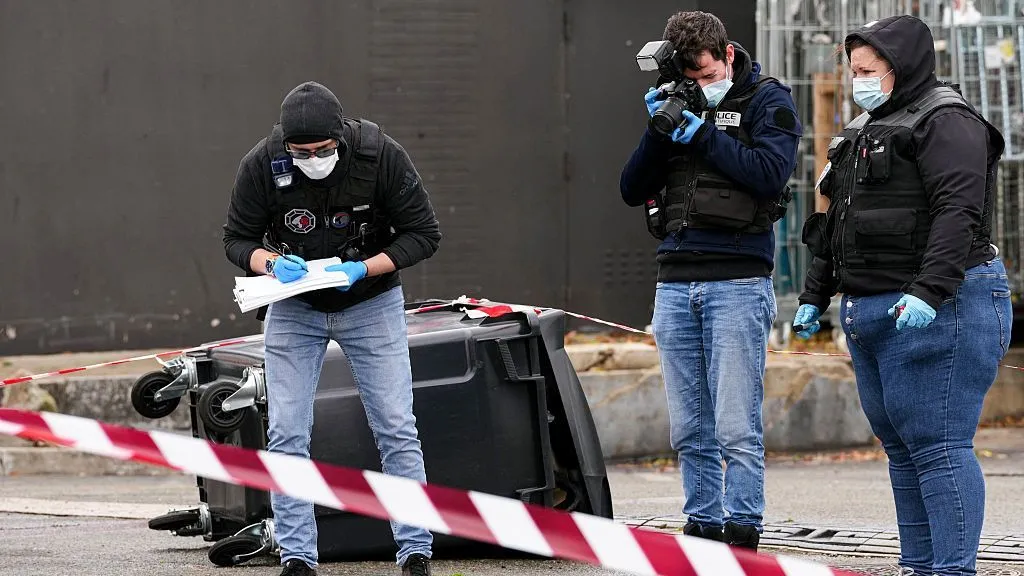
Problems began at about 5:30 a.m. as failures appeared across several sections of railway. What initially resembled signalling problems became a sabotage investigation after workers found material deliberately positioned on or around the tracks.
The number of affected sites increased throughout the response, eventually reaching around 30 or more locations. Reports described metal pipes, some roughly 1.5 to 2 metres long, as well as cables and other materials.
The objects interfered with systems used to determine whether a section of track was occupied. If the railway cannot reliably establish that a section is clear, signals default to a safe state and trains cannot proceed normally.
Some level crossings were also affected, extending disruption to road traffic. Passengers can check ProRail’s official disruption information for the latest network conditions.
New objects reportedly appeared after tracks were cleared
One of the most concerning developments came during the recovery operation. Additional suspicious objects were reportedly discovered at some locations after railway workers had already removed earlier material.
That complicated efforts to restore services and contributed to the rising number of affected points. Investigators will need to determine whether new objects were placed while crews were responding or whether previously undiscovered material accounted for the later findings.
Authorities have not publicly established how many people were involved or whether every incident formed part of one centrally coordinated operation.
Passenger train hits material near Steenwijk
The sabotage also created a direct physical hazard. Near Steenwijk, a passenger train struck material that had been placed on the railway.
The train remained on the tracks and no injuries were reported. The incident nevertheless demonstrated the potential danger created by deliberately leaving objects on an operational railway.
Which Dutch train routes were disrupted?
Services involving Zwolle, Amersfoort and Deventer were among the hardest hit. Disruption was also reported on routes involving Utrecht, Arnhem, Zutphen, Leeuwarden, Almelo, Enschede and Ede-Wageningen.
Knock-on problems reached Utrecht Centraal and other connections, while the scale of the cancellations made it difficult to replace affected trains with buses.
Major transport networks can remain disrupted after the original problem is removed. Britain recently experienced similar knock-on delays during the M3 closure near Winchester after a lorry spilled 300 litres of diesel, requiring extensive recovery work before traffic returned to normal.
Russian Drone Strike Hits Passenger Train in Lutsk as Attacks Target Ukraine
France Train Derailment Near Rouen Leaves 44 Injured, One in Critical Condition
Police investigate as Dutch intelligence service assists
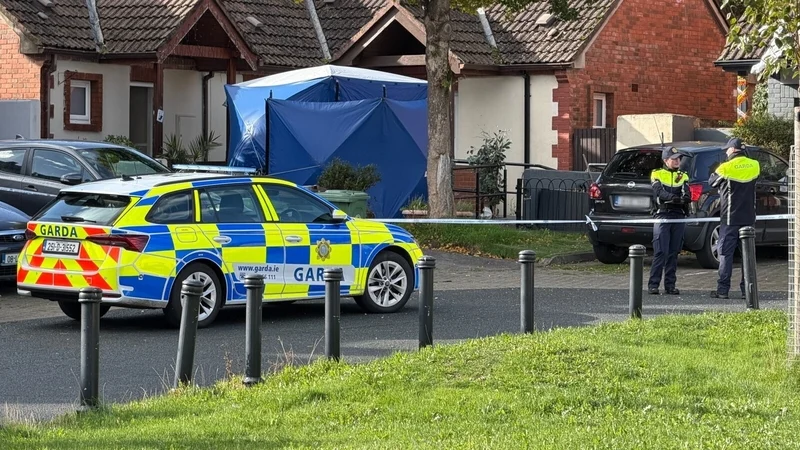
Dutch police are investigating who placed the objects and whether the incidents were connected. Materials recovered from the railway are potential forensic evidence, and workers were reportedly instructed to handle suspicious objects carefully to preserve possible evidence.
The AIVD, the Netherlands’ General Intelligence and Security Service, has also been reported as assisting efforts to establish the circumstances surrounding the sabotage.
Its involvement does not establish terrorism or foreign interference. No suspect had been publicly identified, no confirmed claim of responsibility had emerged and authorities had not classified the incidents as a terrorist attack.
Budget Day timing raises questions but proves no motive
The timing has drawn attention because September 15 is Prinsjesdag, when King Willem-Alexander delivers the Speech from the Throne in The Hague and the government presents its plans for the parliamentary year.
Separate protests and road disruption were also reported in the Netherlands on Tuesday. However, authorities have not established a connection between those events and the railway sabotage.
There is likewise no confirmed evidence that the rail network was targeted specifically because of Prinsjesdag. Assigning responsibility to a protest movement, political organisation, extremist group or foreign actor would therefore go beyond the evidence currently available.
Passengers could face delays after lines reopen
Restoring service involves more than removing suspicious objects. Engineers must inspect tracks and safety equipment before trains can return, while cancellations can leave trains and crews out of position.
The same network effect has been seen elsewhere, including during Sydney Airport delays linked to an air traffic control staffing shortage, where an initial operational problem produced wider cancellations for travellers.
The Dutch investigation now centres on who placed the objects, whether the incidents were coordinated, why additional material was discovered during the response and whether the timing on Prinsjesdag was intentional. Until investigators establish those facts, the perpetrators and motive remain unknown.

Make Swikblog your go-to source on Google for reliable updates, smart insights, and daily trends.