
Honda and Acura owners are being urged to check their vehicles after a U.S. safety recall involving 98,892 cars, SUVs, pickups and minivans. A defective front passenger seat weight sensor could allow the frontal and knee airbags to deploy during a crash when the system should suppress them.
American Honda Motor Co. reported the defect to the National Highway Traffic Safety Administration (NHTSA) on May 21, 2026. The agency assigned the campaign number 26V332.
The recall applies to selected Honda and Acura vehicles from the 2016 through 2026 model years. Not every vehicle within those model ranges is affected, making a VIN check more reliable than checking the model name alone.
Why the passenger airbag sensor can fail
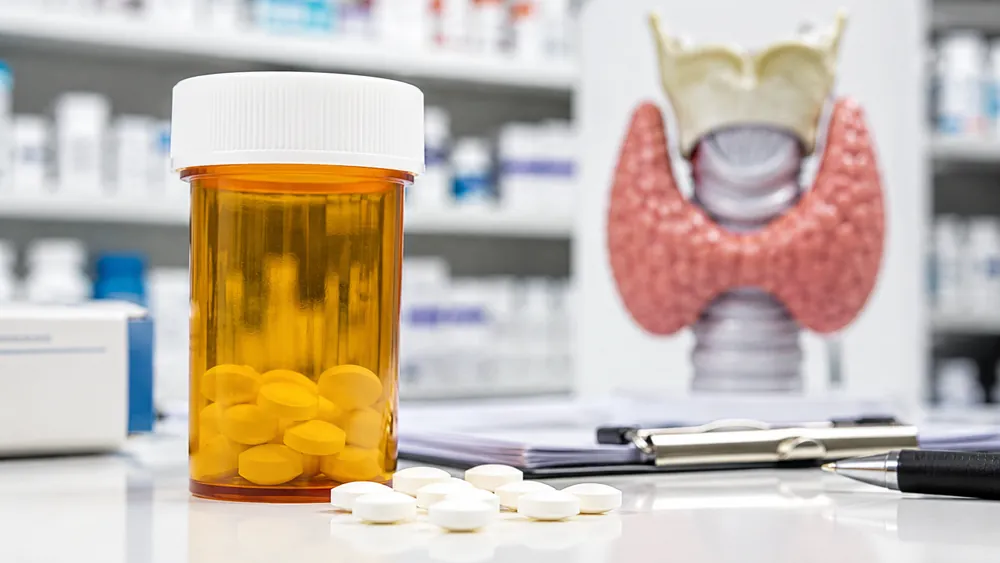
The front passenger seat uses weight sensors to help determine whether the airbags should deploy or remain suppressed during a collision.
Honda’s recall report says a capacitor on the sensor’s printed circuit board may crack following exposure to environmental humidity. The damage can create an internal short circuit and send incorrect information to the airbag control system.
The defect was linked to an alternative circuit-board material temporarily used after a natural disaster affected a supplier’s manufacturing plant. Honda said that material had not been sufficiently verified for this application and could place additional strain on the board.
If the sensor fails, the frontal and knee airbags may deploy when the seat is occupied by an infant in a child restraint, a child or a smaller passenger for whom deployment should be suppressed. This could increase the risk of injury during a crash.
Honda and Acura models included in recall 26V332
The affected Acura vehicles include certain 2018–2021 and 2023 TLX, 2019–2024 RDX, and 2017–2020 and 2022–2026 MDX models.
Honda vehicles include selected 2016–2022 Accord and Civic, 2017–2022 Accord Hybrid, CR-V and Pilot, and 2018–2026 Odyssey models.
The campaign also covers certain Civic Coupe, Civic Hatchback, Civic Type R, CR-V Hybrid, Fit, HR-V, Insight, Passport and Ridgeline vehicles. Applicable years vary, and some model-year combinations involve only a very small number of vehicles.
The largest affected groups include 27,084 Civic vehicles, 15,799 CR-Vs, 9,479 Pilots and 9,408 Odysseys. NHTSA estimates that approximately one percent of the recalled population may contain the defect.
Warning signs owners should know
A sensor failure may illuminate the supplemental restraint system, or SRS, warning light. The passenger airbag indicator may also remain off.
However, a vehicle can be included even when no warning light is visible. Owners should enter their 17-character vehicle identification number in the official NHTSA recall lookup tool.
The VIN is normally visible through the windshield on the driver’s side. It can also be found on registration documents, insurance papers or the label inside the driver-side door area.
Latest update and free recall repair
Honda recorded 228 warranty claims related to the defect between February 4, 2021, and October 30, 2025. As of May 14, 2026, the company had received no reports of injuries or deaths connected with the issue in the United States.
Authorized Honda and Acura dealers will replace the affected sensor with a part made using the original verified circuit-board material. The repair is free and requires replacement of the component rather than a software update.
Owner notification letters were scheduled for July 6, 2026. Drivers do not need to wait for a letter before checking their VIN or contacting a dealership. Honda customer service can be reached at 1-888-234-2138.
This campaign expands NHTSA recall 24V064 after additional vehicles and service parts were identified outside the earlier population. It is separate from the case in which Honda recalled about 40,000 vehicles over unintended airbag deployment.
Other manufacturers are managing separate safety campaigns, including a Toyota HiLux recall involving a sudden steering failure risk. Owners should always check the market and VIN listed in a recall because safety actions do not automatically apply worldwide.
Read More
What affected owners should do now
Owners with an open recall should arrange the free repair with an authorized Honda or Acura dealer. Until the sensor is replaced, children should travel properly restrained in the rear seat in accordance with child-passenger safety guidance.
Anyone who notices an SRS warning should contact a dealer promptly instead of attempting a home repair. Completing the sensor replacement helps restore the system’s ability to make the intended passenger-airbag decision during a crash.

Make Swikblog your go-to source on Google for reliable updates, smart insights, and daily trends.