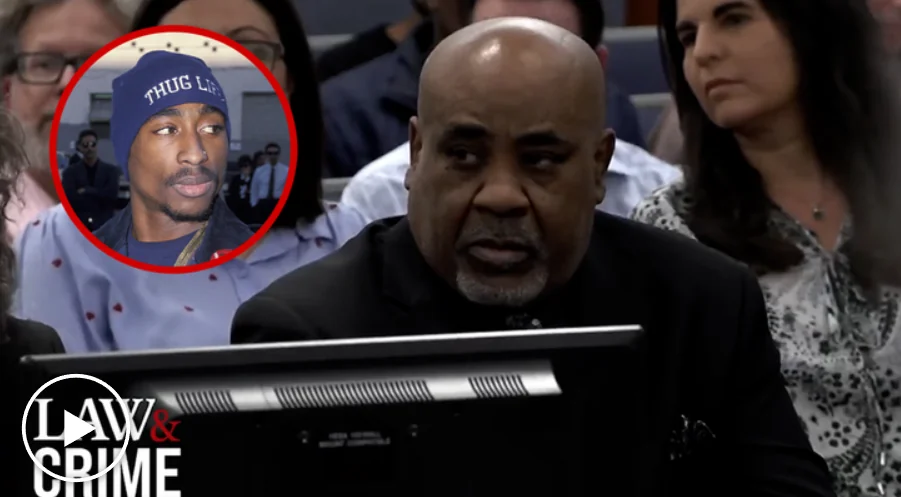

LAS VEGAS, October 13, 2026 — Duane “Keffe D” Davis, 63, has been sentenced to life in prison without the possibility of parole for his role in the 1996 murder of legendary rapper Tupac Shakur, according to reports published Tuesday. The sentencing marks a major development in one of hip-hop’s most closely followed murder cases, nearly three decades after Shakur was fatally shot in Las Vegas.
Clark County District Court Judge Carli Kierny imposed the reported sentence after a jury convicted Davis of first-degree murder with the use of a deadly weapon on August 31, 2026.
Davis, a former leader of the South Side Compton Crips, is the only person convicted in connection with Shakur’s killing. Prosecutors argued that he organized the retaliatory attack and supplied the firearm, although they did not accuse him of personally firing the fatal shots.
Content warning: Graphic images.
What a tragedy, Tupac autopsy photos; they lit that man up in that BMW.


Davis maintains his innocence and intends to challenge the conviction.
Keffe D Sentenced to Life After August Murder Conviction
A Las Vegas jury found Davis guilty following a trial that examined the circumstances surrounding Shakur’s death and Davis’ previous descriptions of the shooting.
The proceedings included nine days of testimony, with 24 prosecution witnesses and three defense witnesses. Jurors deliberated for less than three hours before reaching their verdict.
Prosecutors subsequently withdrew an additional gang-related sentencing enhancement following witness-related difficulties.
As detailed in Associated Press coverage of the sentencing proceedings, Davis faced a potential life sentence following his conviction.
The October 13 sentencing reports indicate that he received life without parole. His planned appeal means the legal proceedings may continue.
The 1996 Las Vegas Shooting That Killed Tupac Shakur
On September 7, 1996, Shakur attended a Mike Tyson boxing match at the MGM Grand in Las Vegas with Death Row Records co-founder Marion “Suge” Knight.
After the fight, Shakur and members of his entourage became involved in a confrontation with Orlando “Baby Lane” Anderson, Davis’ nephew.
Prosecutors argued that the confrontation triggered a retaliatory shooting connected to a rivalry between the South Side Compton Crips and Mob Piru.
Later that night, Shakur was riding in the passenger seat of Knight’s black BMW when a white Cadillac pulled alongside their vehicle at a red light near the Las Vegas Strip.
Gunfire erupted from the Cadillac, striking Shakur multiple times. Knight survived the shooting.
Shakur died from his injuries on September 13, 1996, at age 25.
Davis’ Interviews and Memoir Became Key Trial Evidence
One of the most important elements of the prosecution’s case was Davis’ own descriptions of the shooting, given years after Shakur’s death.
In interviews with investigators and documentary filmmakers, Davis described being inside the Cadillac and passing a gun toward passengers in the back seat.
He also discussed the killing in his 2019 memoir, Compton Street Legend.
Prosecutors argued that these accounts, combined with testimony about the earlier confrontation and gang rivalry, established Davis’ involvement in organizing the attack.
Davis had previously spoken with investigators under an agreement with law enforcement, a detail that became relevant to questions surrounding the lengthy delay before his arrest.
Defense Challenged Evidence and Claimed Davis Was in Los Angeles
Defense attorney Michael Sanft challenged the reliability of Davis’ previous statements, arguing that they were exaggerated or fabricated to generate publicity and financial gain.
The defense highlighted the absence of physical evidence, surveillance footage and telephone records directly placing Davis inside the Cadillac.
Davis has maintained that he was near UCLA in Los Angeles rather than in Las Vegas when Shakur was attacked.
Jurors rejected the defense’s arguments and convicted him of first-degree murder.
Tupac Shakur’s Family Reacts to Historic Verdict
Shakur’s family followed the trial closely after decades without a successful prosecution in the case.
His sister, Sekyiwa “Set” Shakur, became emotional when the August verdict was announced. Other relatives were expected to participate in the October sentencing proceedings.
For the family, the case concerns the loss of a loved one whose life ended at 25, just as his influence on music and popular culture was growing.
Shakur’s recordings, including “California Love,” “Dear Mama” and “Changes,” continue to reach audiences decades after his death.
The lasting impact of influential musicians is also reflected in recent coverage of composer Lucian Piane’s death and musical legacy, another story that brought attention to the personal and cultural loss felt by fans.
Other Suspects and Allegations Raised During Trial
The three other men alleged to have occupied the Cadillac have since died, including Anderson, whom Davis previously identified as the person who fired the shots.
Sean “Diddy” Combs was also mentioned during the proceedings after Davis previously alleged that Combs offered money for the killings of Shakur and Knight.
Combs has repeatedly denied involvement in Shakur’s murder. Those allegations were not established by Davis’ conviction.
Clark County District Attorney Steve Wolfson has indicated that prosecutors lacked sufficient evidence to charge additional suspects, although new evidence could potentially change that assessment.
Keffe D Plans Appeal Against Murder Conviction
Despite the guilty verdict and reported life sentence, Davis continues to deny responsibility for Shakur’s death.
He told the court after his conviction that he intended to appeal. His defense has questioned the reliability of his previous accounts and aspects of the investigation.
An appeal could involve reviewing alleged legal or procedural errors, but it would not automatically overturn the conviction or sentence.
The case also illustrates the difficulties investigators face when reconstructing violent crimes years after they occurred. Similar questions about evidence and criminal accountability arise in other serious investigations, including the Prestatyn burning van murder investigation.
Read More
Timeline of the Tupac Shakur Murder Investigation
September 7, 1996: Shakur is shot while riding with Suge Knight in Las Vegas.
September 13, 1996: Shakur dies from his injuries at age 25.
2019: Davis publishes Compton Street Legend, describing his alleged involvement in the shooting.
September 29, 2023: Authorities arrest Davis in connection with Shakur’s murder.
August 31, 2026: A Las Vegas jury convicts Davis of first-degree murder.
October 13, 2026: Reports say Davis receives a life sentence without parole.
Tupac Murder Case Reaches Major Turning Point After 30 Years
Davis’ conviction represents the first successful murder prosecution connected to Shakur’s death, nearly three decades after the shooting.
The trial also demonstrated how statements made years after a crime can become central courtroom evidence, even when physical evidence is limited and potential witnesses are no longer alive.
Although the jury found Davis criminally responsible, the identity of the person who fired the fatal shots was not the central question it needed to resolve.
With Davis preparing to challenge his conviction, further legal proceedings remain possible. For Shakur’s family and fans, the case marks a significant development in the history of a musician whose influence continues decades after his death.

Make Swikblog your go-to source on Google for reliable updates, smart insights, and daily trends.