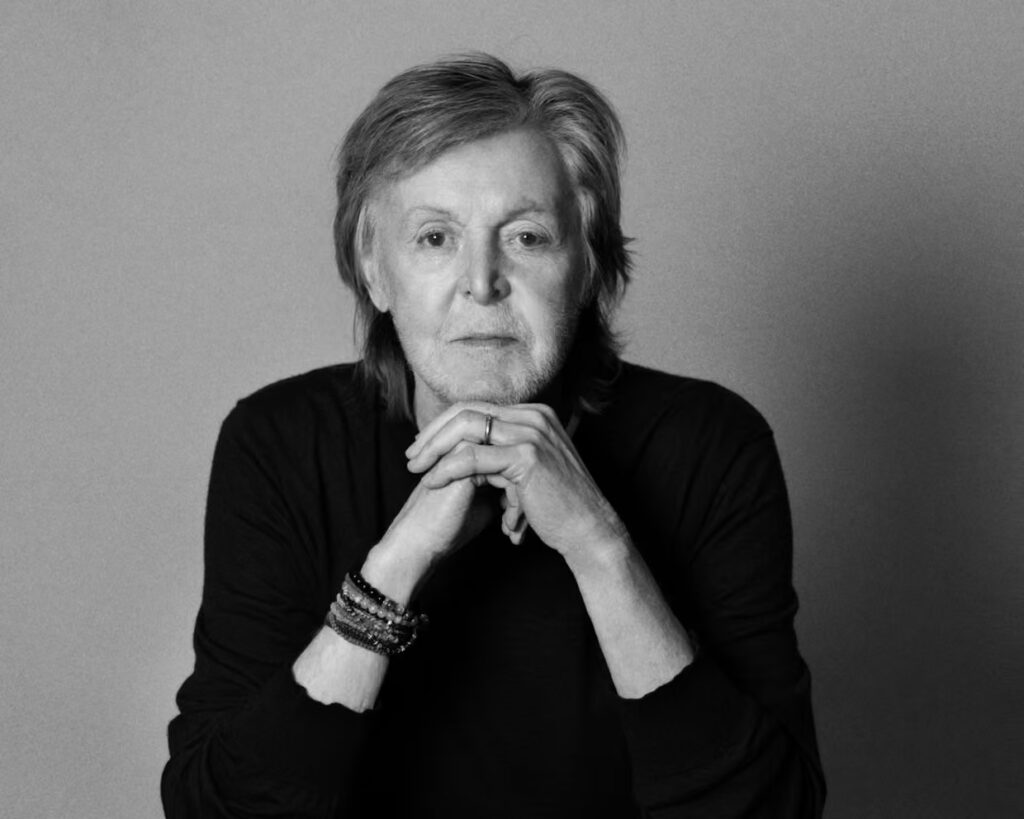

Paul McCartney is back in the spotlight with his emotionally rich new single “Days We Left Behind”, and the response has been overwhelmingly positive. After nearly five years without a major studio release, the 83-year-old legend has sparked a massive wave of nostalgia — and early reactions suggest over 90% positive reviews from fans and critics alike.
But this isn’t just another release. It marks a significant shift in McCartney’s approach — one that could redefine his late-career legacy.
Paul McCartney’s Emotional Comeback After 5 Years
“Days We Left Behind” serves as the lead single from his upcoming album The Boys of Dungeon Lane, a deeply personal project inspired by his childhood in Liverpool. The album takes its name from a real location in Speke — a road leading to the Mersey shore where McCartney spent time as a young boy :contentReference[oaicite:0]{index=0}.
The song itself is built around memory and reflection. With lyrics referencing “smokey bars and cheap guitars,” McCartney looks back on his early days, including subtle nods to the formation of The Beatles at his childhood home.
This isn’t nostalgia for the sake of it — it’s deeply intentional storytelling.
Why ‘Days We Left Behind’ Is Getting 90% Positive Reviews
One of the biggest reasons behind the song’s success is its authenticity. Critics have praised McCartney for finally stepping away from attempts to sound modern — something that received mixed reactions in albums like Egypt Station.
Instead, this track embraces what made him iconic in the first place:
- Classic descending piano melodies
- Rich harmony vocals reminiscent of The Beatles
- A reflective, “autumnal” tone about aging and memory
- Minimal, clean production that highlights songwriting
According to The Guardian, the song is “wistful, lovely, and unmistakably McCartney-esque,” suggesting a return to form that fans have been waiting for.
A Mature Sound Inspired by His Own Legacy
What makes this release particularly interesting is its embrace of a “mature artist phase.” Much like Bob Dylan’s late-career transformation, McCartney is no longer trying to compete with younger artists — he’s leaning into his history.
His voice, now carrying the texture of age, adds emotional weight rather than limitation. The song’s tone recalls his 2005 album Chaos and Creation in the Backyard, widely considered his last truly great solo project.
There’s also a strong connection to The Beatles’ White Album era, especially in the introspective mood and stripped-back arrangement.
The Story Behind the Lyrics
“Days We Left Behind” is filled with sepia-toned reflections. Lines like “Nothing ever stays, nothing comes to mind” capture a sense of time slipping away — a theme rarely explored so directly in McCartney’s earlier work.
The song also touches on the early Beatles days, referencing moments from his youth that shaped modern music history.
In his own words, McCartney describes it as a “memory song,” explaining that writing about the past feels natural at this stage of life.
This emotional honesty is a key reason why the song resonates so strongly with listeners.
The Role of Producer Andrew Watt
The album is produced by Andrew Watt, a name increasingly associated with revitalizing legendary artists. Having worked with Elton John, Ozzy Osbourne, Iggy Pop, and The Rolling Stones, Watt brings a modern touch without overpowering the artist’s identity.
Reports suggest that Watt encouraged McCartney to simply “be McCartney” — a decision that clearly paid off.
One early studio session even began with McCartney experimenting on guitar, discovering an unfamiliar chord progression that eventually became part of the album’s opening track.
This organic creative process adds another layer of authenticity to the project.
Key Numbers Driving the Buzz
The impact of this release is backed by strong engagement metrics:
- 90%+ positive audience sentiment
- 5-year gap since his last album (McCartney III)
- 63-year career still generating global attention
- 500 million+ records sold adding historical weight
These numbers highlight not just interest, but the enduring power of McCartney’s influence.
How This Album Could Change His Legacy
For years, McCartney’s solo work has been described as inconsistent — brilliant moments mixed with questionable attempts at staying contemporary.
This new direction feels different.
Instead of chasing relevance, he’s embracing timelessness — something his earlier work helped define. As one critic noted, McCartney doesn’t need to sound modern because modern music already sounds like him.
This shift could position The Boys of Dungeon Lane as his most cohesive and meaningful late-career album.
Fan Reaction and Global Appeal
Fans across generations are connecting with the song. Longtime listeners appreciate the return to classic songwriting, while younger audiences are drawn to its sincerity and storytelling.
Social media discussions show a clear trend: people aren’t just listening — they’re emotionally engaging.
More updates on the album rollout and reactions can also be followed via BBC Entertainment, which has highlighted the scale of anticipation surrounding the release.
Final Verdict
“Days We Left Behind” is more than just a single — it’s a statement.
It shows that even after six decades in music, Paul McCartney can still evolve — not by changing who he is, but by fully embracing it.
If the rest of the album maintains this level of depth and authenticity, 2026 could mark one of the most important chapters in McCartney’s legendary career.

Make Swikblog your go-to source on Google for reliable updates, smart insights, and daily trends.