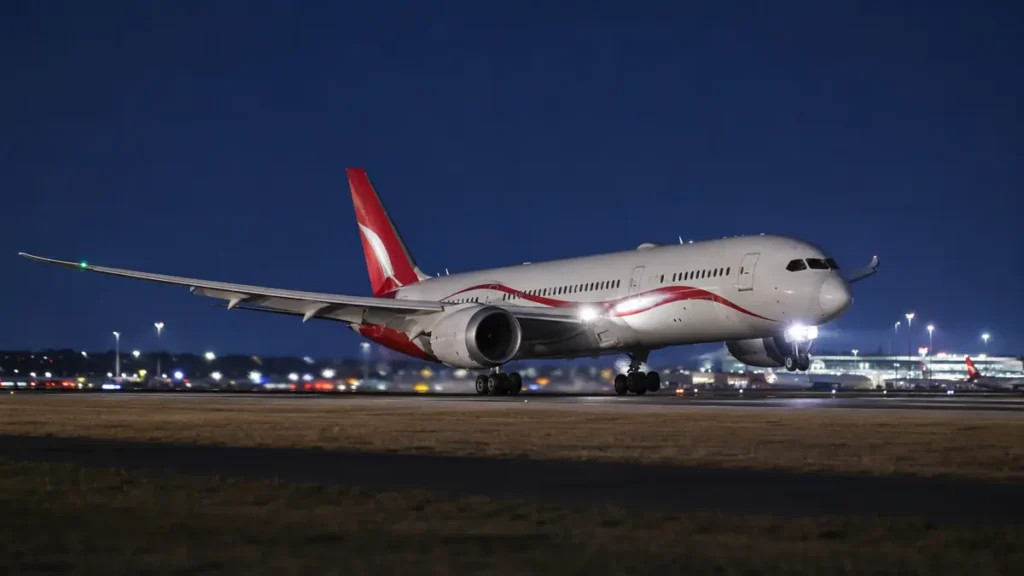

Nearly 200 passengers travelling from Sydney to Santiago were returned to Australia after a mechanical problem forced Qantas flight QF27 to abandon its journey across the Pacific.
The Boeing 787 Dreamliner had flown for more than four-and-a-half hours on Sunday, August 2, before turning around after passing New Zealand. It landed safely at Melbourne Airport at about 11pm, with no reported injuries.
Qantas has not identified the system involved. Claims that the aircraft suffered an engine failure or another specific defect have not been confirmed.
QF27 Flight Details
- Route: Sydney to Santiago, Chile
- Aircraft: Boeing 787 Dreamliner
- Passengers: Nearly 200
- Time before turning back: More than four-and-a-half hours
- Diversion airport: Melbourne Airport
- Reported cause: An unspecified mechanical issue
- Melbourne arrival: About 11pm on Sunday
Sydney’s Curfew Changed the Diversion Plan
Although QF27 began its journey in Sydney, the aircraft was directed to Melbourne because its return would have fallen within Sydney Airport’s overnight curfew.
Most aircraft movements at Sydney are restricted between 11pm and 6am. Some approved operations and exemptions are permitted, but Melbourne was the more practical destination for the returning Dreamliner.
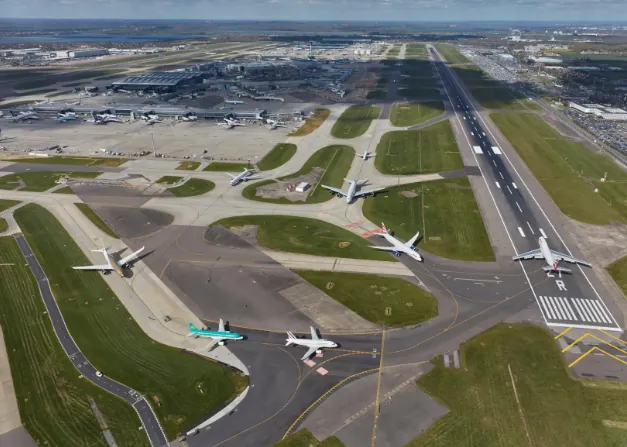
Melbourne Airport has the runway capacity, international facilities and engineering resources required to receive a Boeing 787. Fuel, weather, runway availability and technical support all influence the selection of a diversion airport.
More Than Four Hours Into the Pacific Crossing
QF27 departed Sydney on Sunday and continued beyond New Zealand before the crew changed course. The aircraft then flew back across the Tasman Sea and reached Melbourne late that evening.
A turnaround several hours into a long-haul service can substantially extend the total journey. Passengers returned to Australia instead of reaching Chile and required overnight accommodation before restarting the international trip.
Qantas arranged another Melbourne-to-Santiago service for around midday on Monday, August 3. Travellers should use the Qantas flight-status page to confirm current departure information.
The Safety Reasoning Behind the Turnaround
A diversion does not necessarily indicate that an aircraft was in immediate danger. A cockpit warning or abnormal indication may require an inspection even when the aircraft remains controllable and capable of landing normally.
Suitable airport options become more limited as a flight moves deeper into the South Pacific. Turning back while Australia and New Zealand remained within reach preserved access to airports equipped for a large international aircraft.
The decision allowed the Dreamliner to reach a major engineering location before travelling farther into a route where alternative airports are widely separated.
Engineers Assess the Dreamliner
The original aircraft was removed from its scheduled journey after landing in Melbourne. Engineers began examining the mechanical issue before the jet could return to passenger operations.
The assessment may include cockpit messages, onboard diagnostic records, maintenance history and flight data. Any affected component can then be tested, repaired or replaced if required.
Qantas had not released a confirmed diagnosis in its initial update. Until the airline identifies the cause, “mechanical issue” remains the only verified description.
Hotels and Rebooking for Passengers
Qantas provided overnight hotel accommodation for the affected travellers. One passenger quoted in initial reports said food and drinks were supplied during the disruption and praised the assistance despite the disappointment of having to restart the journey.
The event was different from an earlier case in which a Qantas flight diverted to Tahiti after an alleged onboard disturbance. That diversion involved passenger behaviour, while QF27 returned because of an aircraft-related issue.
Read More:
Missed Connections and Additional Expenses
Some passengers may face losses from separately booked flights, hotel stays, cruises or tours in South America. Connections included on the same airline reservation are generally easier to rearrange than bookings purchased independently.
Affected travellers should retain their revised itinerary, airline messages and receipts for meals, transport or accommodation. Providers should be contacted promptly when the delay affects a separate reservation.
Insurance reimbursement is not automatic because policies contain different exclusions, limits and evidence requirements. This guide explains how travel insurance may apply to cancelled or disrupted flights.
Replacement Service and Aircraft Clearance
Qantas scheduled the delayed group to leave Melbourne for Santiago around midday Monday, subject to operational changes.
The original Dreamliner must remain out of passenger service until the engineering assessment is completed and the aircraft receives technical clearance. Any claim about the precise fault remains unverified unless Qantas publishes its findings.

Make Swikblog your go-to source on Google for reliable updates, smart insights, and daily trends.