
RNLI volunteers and staff have been told they can choose not to wear branded clothing in some public settings after the lifeboat charity said its people had faced “unacceptable abuse” amid heightened tensions over migrant arrivals on England’s south coast. The safety guidance follows protests in Portsmouth and Dover and an unusual Channel operation in which an RNLI lifeboat carrying more than 100 migrants was denied access to both the Port of Southampton and the Port of Portsmouth.
The RNLI stressed that the measures are about protecting its volunteers and staff rather than changing its lifesaving role at sea. The charity says crews tasked to people in distress will continue responding regardless of nationality or circumstances.
The RNLI says it has enhanced security at some locations and issued fresh safety guidance after volunteers and staff faced abuse. Personnel have been advised on dealing with potentially challenging interactions and, where appropriate, can choose not to wear RNLI-branded clothing. Police chiefs are also stepping up planning and intelligence-gathering ahead of further protest activity expected this weekend.
The RNLI has advised its staff to choose carefully when to wear its uniform after what it decribed as "unacceptable abuse" they have endured in recent weekshttps://t.co/3hTgbqy3b1
— Sky News (@SkyNews) September 10, 2026
RNLI reviews security after volunteers targeted online https://t.co/9ZyR2UXyn4
— BBC News (UK) (@BBCNews) September 10, 2026
RNLI Issues New Safety Guidance After Abuse
The RNLI said it acted after volunteers and staff experienced what it described as unacceptable abuse and after protest activity took place around RNLI locations.
As well as strengthening security, the charity issued guidance earlier this week explaining how personnel should handle potentially difficult interactions with members of the public.
That advice includes, where appropriate, choosing not to wear RNLI-branded clothing. Volunteers have also been reminded that their personal safety comes first and that relevant incidents should be reported internally and, when appropriate, to police.
The guidance does not amount to a blanket instruction to hide RNLI uniforms. Instead, it gives staff and volunteers discretion to assess situations and avoid displaying the charity’s branding when they believe doing so could expose them to confrontation or abuse.
RNLI Boat Was Refused Access to Southampton and Portsmouth
The latest security concerns follow the events of Sunday, September 6, when an RNLI lifeboat carrying more than 100 migrants was denied access to both the Port of Southampton and Port of Portsmouth.
The RNLI later said it was working to understand why access had been refused and expressed disappointment over the way the decision was communicated to its crew, stressing that its volunteers give their time to save lives at sea.
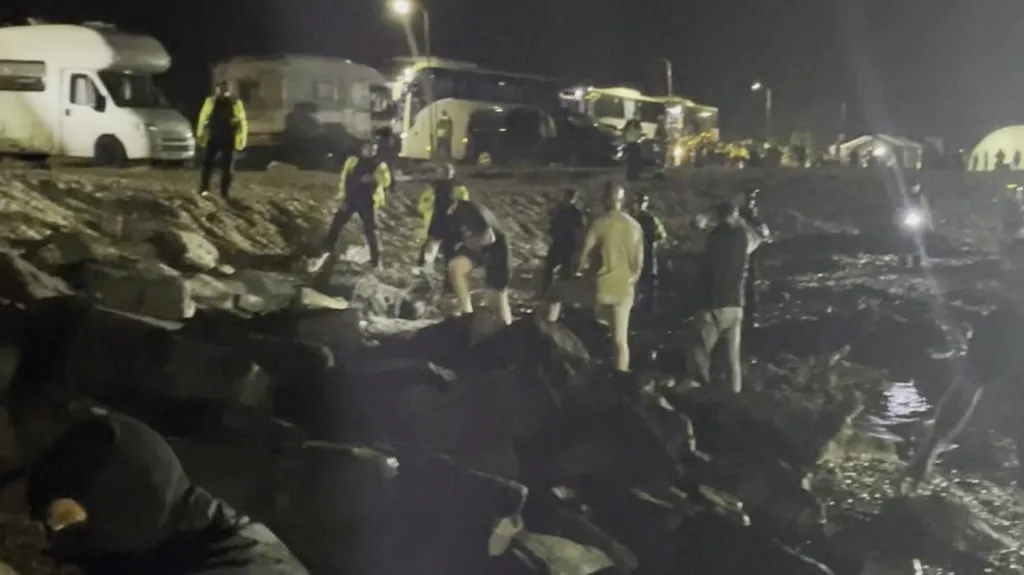
The migrants were ultimately brought ashore at Eastney in Portsmouth, where anti-migrant protesters blocked road access as authorities attempted to move the arrivals away from the landing area.
The incident developed into a major protest around Eastney following the migrant arrival, turning a maritime rescue operation into a significant public-order challenge.
Police Injured and Vehicles Damaged in Portsmouth
Hundreds of protesters gathered around the Portsmouth landing area. Some people entered the water, while road access was blocked as coaches prepared to transport the migrants.
Police officers were injured and vehicles were damaged during the disorder. No arrests had been announced in connection with either the Portsmouth or Dover weekend incidents as of Thursday.
RNLI crews were not only involved in helping people who had crossed the Channel. The charity said its personnel also provided safety cover for protesters who entered the sea.
Six RNLI Crews Became Involved
RNLI chief executive Peter Sparkes said the operation was the first Channel-crossing response of this scale involving the charity so far west.
Crews from Bembridge and Yarmouth were initially involved, with four further stations becoming involved as the situation developed and protesters gathered around Portsmouth.
The RNLI operates under requests from HM Coastguard when people are believed to be in danger at sea. Its role is lifesaving rather than immigration enforcement.
Volunteer Targeted as a ‘Traitor’ Online
One volunteer, publicly identified only as Neil, appeared in footage filmed around the protest. His image was subsequently circulated online alongside allegations that RNLI personnel were helping migrants enter Britain.
Neil said his lifeboat was instead providing illumination and safety cover around the beach while protesters were in the water.
He rejected accusations that he was a “traitor” and said he intended to continue volunteering after more than a decade with the RNLI.
Posts Featuring RNLI Personnel Reached Millions
The hostility went beyond general criticism of the charity. Posts examined by BBC Verify featuring RNLI personnel collectively attracted at least two million views.
Some posts called for volunteers to be identified, while replies included threatening suggestions about locating family members.
Misinformation also circulated about the identities of people pictured. Neil and another volunteer were wrongly named as different RNLI crew members whose details could be found online. At least one post was later removed for breaching X’s rules.
Security Strengthened at RNLI Locations
The RNLI has now confirmed that security measures have been enhanced at some of its locations.
Staff and volunteers have been encouraged to remain alert to suspicious activity and to put their safety first during potentially hostile encounters.
The issue extends beyond lifeboat crews because RNLI sites can include shops, visitor areas and other facilities operated or supported by volunteers who regularly interact with the public.
Reform UK Deliveroo Law: What the Proposal Could Mean for Delivery Riders
Portsmouth Protest: Police Injured After 140 Migrants Arrive
Police Chiefs Step Up Planning Ahead of Weekend
The RNLI security warning comes as police chiefs increase planning and intelligence-gathering ahead of another weekend of possible anti-migration demonstrations.
Home Secretary Shabana Mahmood has called for stronger police action in response to tactics used during recent protests, including demonstrators blocking access around ports and some participants wearing face coverings.
Mahmood said the presence of people dressed in black and wearing balaclavas had created a “fear factor” for communities and argued that police should make full use of available powers where offences are committed.
The government believes some masked protesters at the Dover demonstration could potentially have been arrested under existing powers.
Another Portsmouth Protest Is Planned
A group calling itself “Portsmouth patriots” is planning another march in the city on Saturday, September 12. A counter-demonstration is also expected.
The planned gatherings are adding to concerns about the safety of RNLI personnel and other emergency-service workers after the disorder surrounding the previous Portsmouth protest.
The Dover protest involving masked demonstrators had taken place a day before the Portsmouth incident, with protesters disrupting access around the port.
Police Examine Abuse Targeting RNLI Volunteers
Police have also been looking at whether criminal offences may have been committed through online targeting of RNLI personnel.
The wider concern centres on material that could cross the line from criticism into intimidation, harassment, threats or the publication of personal information.
Digital Secretary Lisa Nandy has raised concerns in Parliament about reports that photographs, names and addresses connected to RNLI personnel were being circulated online.
Only a Small Share of RNLI Launches Involve Channel Migrants
The RNLI has sought to challenge claims about the scale of its involvement in Channel crossings.
Figures cited by Sparkes show that 109 of 9,058 RNLI lifeboat launches last year involved people in distress in the Channel — around 1.2% of all launches. He also said approximately 95% of small boats were intercepted by Border Force.
When HM Coastguard tasks an RNLI crew, volunteers respond to people considered to be in danger. Once a rescue is completed, responsibility for those brought ashore can pass to agencies including Border Force, police, HM Coastguard or ambulance services.
RNLI Says Lifesaving Mission Has Not Changed
The new clothing and security guidance does not change the RNLI’s operational policy.
The charity’s position remains that when HM Coastguard requests assistance for somebody in distress at sea, its crews will respond.
The difference now is that volunteers are being encouraged to think more carefully about their own safety once they are back on land.
For the 200-year-old lifeboat charity, the fallout from Portsmouth has therefore created an unusual challenge: continuing to answer emergency calls at sea while protecting volunteers from hostility that can follow them onto the streets and social media.

Make Swikblog your go-to source on Google for reliable updates, smart insights, and daily trends.