
AIKEN, South Carolina, October 29, 2026 — A fire at the Savannah River National Laboratory triggered a Site Area Emergency at the U.S. Department of Energy’s Savannah River Site on Wednesday evening, October 28, following reports of a radiological release. The incident prompted employee shelter-in-place precautions, restricted access and transportation disruptions near the South Carolina nuclear complex.
LATEST UPDATE | OCTOBER 29, 2026
Emergency Ended — 9:45 p.m.: Savannah River Site officials terminated the Site Area Emergency on October 28 after a laboratory fire and reported unfiltered ground-level radiological release near Aiken, South Carolina.
Radiation Survey Results: Officials confirmed that radiological surveys detected no contamination. No off-site contamination or public health threat was reported.
1 Worker Injured: One employee sustained minor injuries and was transported to a hospital, according to the U.S. Department of Energy.
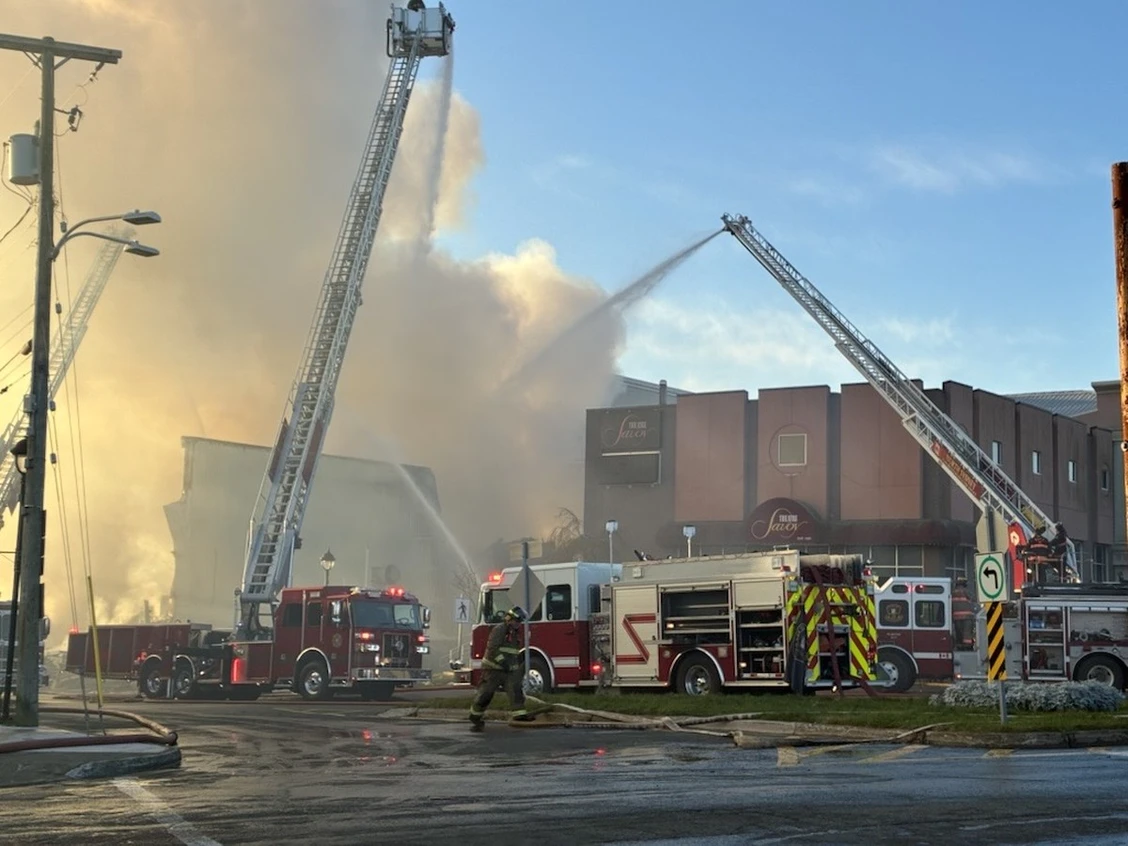
Fire Extinguished: The fire at Savannah River National Laboratory was contained to a single room and extinguished by emergency responders.
FAA Airspace Restrictions: The FAA imposed temporary flight restrictions within a 15-nautical-mile radius of the facility, extending up to 10,000 feet. Rail and river traffic were also temporarily restricted.
Protective Measures Lifted: Employee shelter-in-place precautions ended, site barricades reopened and normal shift operations resumed on October 29.
Public Safety: No evacuation or additional protective measures were required for nearby residents in Aiken, Barnwell, Allendale or Augusta.
Investigation: The cause of the laboratory fire and details of the reported radiological release remain under investigation.
LATEST UPDATE | OCTOBER 29, 2026
Emergency Ended: The Savannah River Site emergency was reportedly terminated at 9:45 p.m. EDT on October 28, following a fire and reported radiological release at Savannah River National Laboratory in South Carolina.
1 Worker Injured: One employee sustained minor injuries and was transported to a hospital, according to the U.S. Department of Energy.
Radiation Safety: Radiological surveys found no detectable contamination outside the affected facility. Officials reported no public health threat beyond the site boundaries.
Fire Contained: The laboratory fire was confined to one room and extinguished by emergency responders.
Site Reopened: Entrance barricades reopened at approximately 9:18 p.m. EDT. Normal employee shift reporting resumed, with no remaining operational emergencies reported.
FAA Restrictions: Temporary flight restrictions were imposed over the area during the emergency. Their current status has not been independently confirmed.
Investigation: The cause of the fire, the radioactive material potentially involved and details of any internal contamination remain unclear.
An event is in progress that has triggered emergency response activities at the Department of Energy’s Savannah River Site. This message is being sent to you as part of our emergency response organization information process.
— Savannah River Site (@SRSNews) October 28, 2026
Officials declared the emergency at 5:39 p.m. EDT. By 7:30 p.m., the fire had been extinguished, and authorities reported no contamination outside the affected facility.
The emergency raised concerns among communities near Aiken and Augusta, Georgia, because the federal complex handles nuclear materials and radioactive waste. However, officials reported no indication of consequences beyond the site’s boundaries.
Breaking: the FAA has shut down airspace over the Department of Energy’s Savannah River Site, with a notice calling it a “US Government Nuclear Incident.” https://t.co/JEXIynfjsx
— Hunterbrook (@hntrbrkmedia) October 29, 2026
Radiological Release Reported After Laboratory Fire
According to local broadcaster WRDW/WAGT, an emergency dispatch described a fire confined to one laboratory room and an unfiltered ground-level radiological release.
The description suggests radioactive material may have escaped normal filtration controls. However, officials have not publicly identified the substance involved, the quantity potentially released or any resulting worker exposure.
Importantly, a reported radiological release does not automatically mean dangerous radiation reached surrounding communities.
Savannah River Site officials confirmed that the fire was extinguished and no contamination had been reported outside the affected facility.
Savannah River Site Emergency Timeline
- Shortly after 5 p.m.: A laboratory incident was reported.
- 5:39 p.m.: Officials declared a Site Area Emergency.
- 6:21 p.m.: The first official emergency notification confirmed response operations.
- 6:57 p.m.: Officials confirmed restrictions on incoming traffic.
- 7:30 p.m.: The fire was confirmed extinguished, with no contamination reported outside the facility.
The emergency classification reflected the seriousness of the incident and the need for coordinated response operations.
Workers Sheltered as Airspace and Roads Were Restricted
Employees in affected areas who were not involved in emergency operations were instructed to shelter as a precaution.
Local reports indicated that workers in the laboratory’s Area A sheltered for approximately 30 minutes before some were allowed to leave.
Site entrances were closed to incoming vehicles, while outgoing traffic remained permitted under the initial restrictions.
Officials also restricted nearby rail, river and air traffic. Reports circulated about an FAA temporary flight restriction, although its exact boundaries and duration were not independently established in the information reviewed.
Is There a Radiation Danger for Aiken and Augusta Residents?
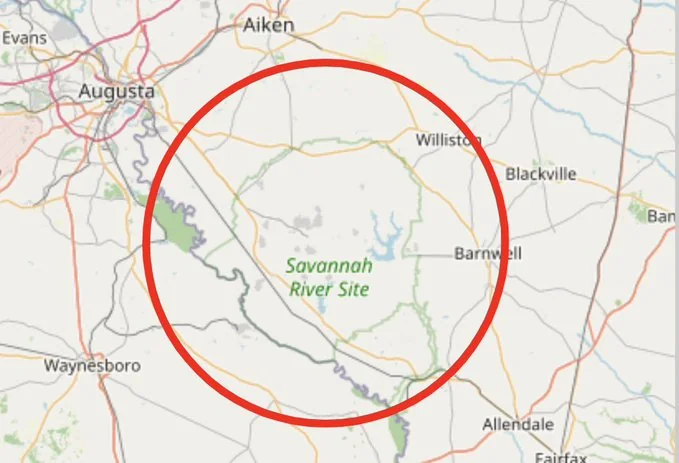
The Savannah River Site covers approximately 310 square miles across Aiken, Barnwell and Allendale counties, near the Georgia border.
Officials reported no contamination outside the affected facility and no indication of consequences beyond site boundaries.
No public evacuation order for surrounding communities was identified in the official statements reviewed.
Residents should nevertheless monitor local emergency announcements and follow any protective instructions issued by authorities.
The Savannah River Site’s official emergency statement advises residents to monitor local radio and television broadcasts for public safety instructions.
How Serious Is a Site Area Emergency?
A Site Area Emergency is a significant emergency classification used when hazardous conditions could affect areas beyond an individual facility within a larger site.
It is more serious than an Alert but does not automatically mean radioactive material has reached the public.
The highest classification, General Emergency, involves potentially more extensive consequences requiring broader protective action.
Wednesday’s incident was classified as a Site Area Emergency, not a confirmed General Emergency.
Why Savannah River Site Is Important
Established in the 1950s, the Savannah River Site originally produced plutonium and tritium for America’s nuclear weapons program.
Today, it supports nuclear security, radioactive waste management, environmental cleanup and scientific research.
Its specialized operations require emergency planning and contamination controls. Similar hazardous-material concerns have prompted protective measures during other incidents, including a Toledo chemical leak.
Laboratory fires also require careful assessment of potentially dangerous materials, as illustrated by the University of South Florida marine science laboratory fire.
Investigation Continues After Fire Extinguished
The cause of the fire, the type of radioactive material potentially involved and whether any workers were exposed remain unclear.
Officials have not released detailed radiation measurements or a final investigation report in the information reviewed.
Latest verified status: The official October 28 evening statement confirmed the fire was extinguished and no contamination had been reported outside the affected facility. A subsequent formal all-clear has not been independently verified.

Make Swikblog your go-to source on Google for reliable updates, smart insights, and daily trends.