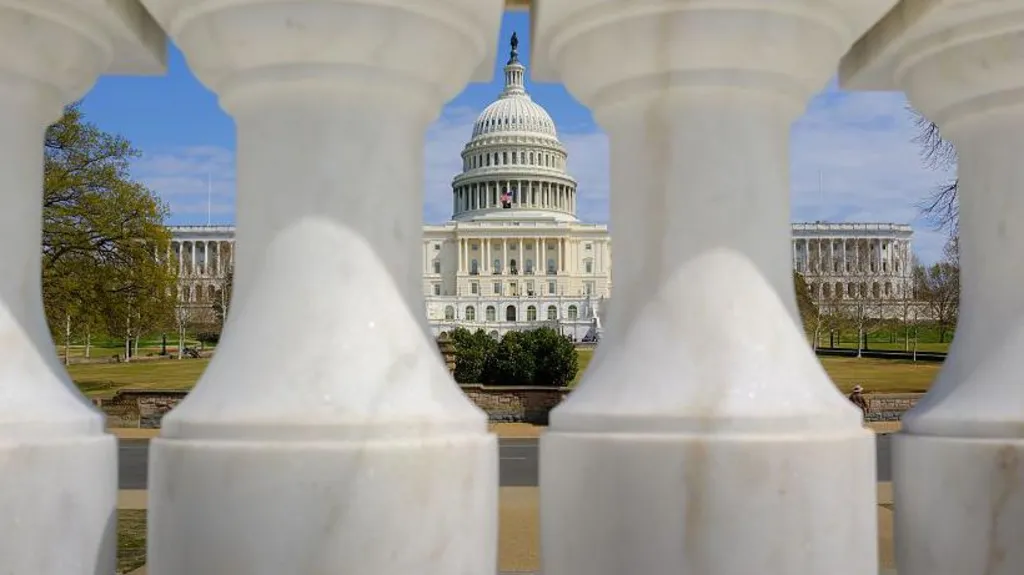

The U.S. Senate has approved a $70 billion immigration funding package, handing President Donald Trump one of the most significant legislative victories of his second term and setting the stage for a major expansion of federal immigration enforcement operations.
The measure passed by a 52-47 vote after an overnight session that stretched into Friday morning. The legislation now heads to the House of Representatives, where Republican leaders are expected to move quickly to advance the bill. If approved, the funding would support Immigration and Customs Enforcement (ICE), Customs and Border Protection (CBP), and other immigration agencies through the remainder of Trump’s presidency.
The vote underscores how central immigration remains to Trump’s agenda. Since returning to the White House, the administration has prioritized stricter border controls, expanded enforcement actions, and broader efforts to reshape U.S. immigration policy. The Senate vote provides the administration with a major policy achievement as Republicans prepare for the 2026 midterm elections.
Supporters of the legislation argue that immigration agencies have faced mounting operational demands and require additional resources to enforce existing laws, increase detention capacity, strengthen border operations, and carry out deportation efforts. Republican leaders framed the measure as a necessary investment in national security and immigration enforcement, while Democrats criticized the package as an expansion of hardline policies without sufficient oversight.
The path to passage, however, exposed rare tensions within the Republican Party. Although nearly every Republican senator ultimately backed the bill, lawmakers spent hours debating a series of amendments tied to several controversial Trump initiatives. The debate evolved into a broader political battle that extended far beyond immigration funding itself.
One of the most contentious issues involved Trump’s proposed $1.8 billion compensation fund for individuals he claims were harmed by government actions. Critics labeled the proposal a potential political slush fund and raised concerns that it could benefit Trump allies. Democrats repeatedly attempted to block or restrict the fund, forcing Republicans into politically sensitive votes throughout the marathon session.
Several Republican senators joined Democrats on various amendment votes aimed at limiting the proposal. Senators Susan Collins, Bill Cassidy, Jon Husted, Dan Sullivan, Thom Tillis, and Lisa Murkowski all supported at least one effort to place restrictions on the fund. While none of the amendments passed, the votes highlighted growing unease among some Republicans over initiatives viewed as politically risky heading into the next election cycle.
Democrats also used the amendment process to challenge other Trump-backed proposals, including federal support connected to a planned White House ballroom project and concerns surrounding Bill Pulte’s dual role as head of the Federal Housing Finance Agency and the nation’s top intelligence official. Those efforts failed, but they allowed Democrats to focus attention on issues they believe could resonate with voters.
Senator Lisa Murkowski of Alaska was the only Republican to vote against final passage of the immigration bill, joining Democrats in opposition. Her vote reflected broader concerns about Republicans relying on the reconciliation process, which allowed the measure to pass with a simple majority rather than requiring the traditional 60-vote threshold typically needed in the Senate.
Republicans turned to reconciliation after Democrats refused to support additional immigration enforcement funding without new limits on enforcement tactics and stronger accountability measures. GOP leaders argued that Democratic opposition left them with little choice if they wanted to secure additional resources for border security agencies.
The Senate vote comes as the administration continues to pursue a wider overhaul of immigration policy. Beyond border enforcement, recent changes have also affected legal immigration pathways, including a new USCIS green card rule that could require certain applicants to leave the United States before completing the process. Together, these policies reflect a broader effort to tighten immigration controls across multiple areas of the system.
The immigration package is expected to become a major talking point for both parties in the months ahead. Republicans are likely to highlight the funding increase as evidence they are delivering on border security promises, while Democrats are expected to continue raising concerns about enforcement practices and the administration’s broader immigration strategy.
Read More
According to reporting from The New York Times, the legislation represents a significant victory for Trump while simultaneously exposing internal Republican disagreements over some of the president’s most controversial proposals.
Should the House approve the measure and send it to Trump’s desk, it would mark one of the largest immigration enforcement funding increases in recent years, providing federal agencies with substantial new resources and cementing immigration as one of the defining issues of Trump’s presidency.

Make Swikblog your go-to source on Google for reliable updates, smart insights, and daily trends.