Crans-Montana, Switzerland — Updated Jan. 2, 2026
The night began like hundreds of others in Crans-Montana: ski-season crowds, loud music, winter breath turning to mist outside the door, and a packed bar where young revellers squeezed shoulder-to-shoulder to welcome the new year. Inside Le Constellation, witnesses said, the countdown had barely faded when the first signs of danger appeared above them — along the low ceiling — and then everything seemed to happen at once.
Swiss authorities say the cause of the fire is still under investigation. But what emerges from videos, photographs and witness accounts is a portrait of a celebration that turned into an escape fight in minutes: a ceiling catching, smoke thickening, and a narrow route out becoming a terrifying choke point.
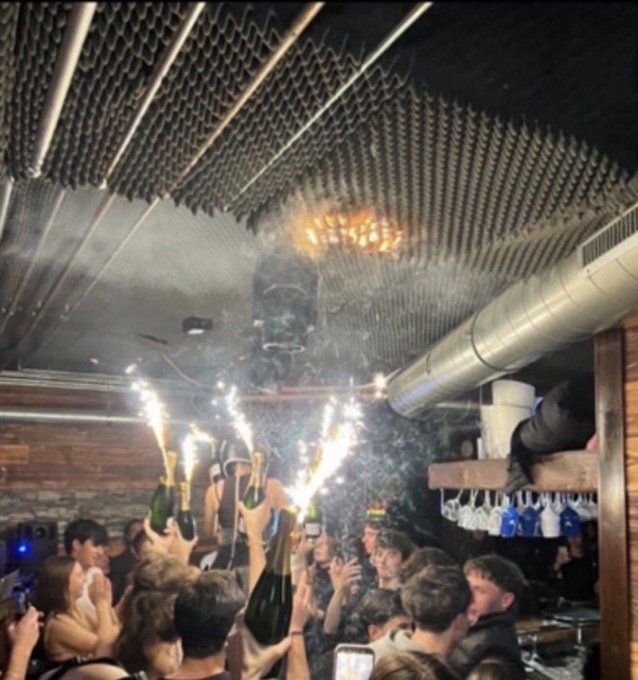
In footage examined by multiple news organisations, partygoers appear to be hoisting champagne bottles fitted with sparklers as they toast. In at least one image from inside, flames are visible where foam soundproofing lines the ceiling — the kind of material experts say can ignite fast, spread fire rapidly and release toxic gases when burning. Investigators have not confirmed a single ignition source, but several reports describe sparklers or candle-like flames near the ceiling shortly before the blaze surged.
Moments later, according to witnesses, the room changed. A video from the night shows fire more advanced; the person filming turns and runs toward a staircase, urging others to hurry. The urgency is not hard to understand. In enclosed spaces, fires can accelerate dramatically as heat and gases collect overhead, turning a manageable blaze into an inferno with little warning.
One witness, Samuel Rapp, told reporters he reached the scene as people spilled out into the street. “A lot of people were screaming and it was horrible,” he said, describing a crush near the exit where “people were walking on everybody”. He recalled seeing people on the floor and jackets placed over faces. The details are stark, but they match what fire survivors often describe when a crowded venue fills with smoke: the instinct to flee, the struggle to breathe, the chaos as visibility collapses and panic becomes contagious.
Authorities in Valais canton have said the incident likely involved a “flashover” — a sudden transition when a fire in a closed room grows so intense that almost everything combustible ignites nearly simultaneously. Fire safety experts describe flashover as one of the deadliest phases of a structural fire: temperatures spike, flames roll across the ceiling, and survival time plummets. (A plain-language explanation of flashover and why it happens is available from the National Fire Protection Association.)
In that scenario, the human body does not need to be “in the flames” to be overwhelmed. Superheated air and thick, toxic smoke can incapacitate within moments. That is why fires in nightlife venues can be so lethal, especially in basement rooms or spaces with limited exits — conditions that investigators will be scrutinising in Crans-Montana.
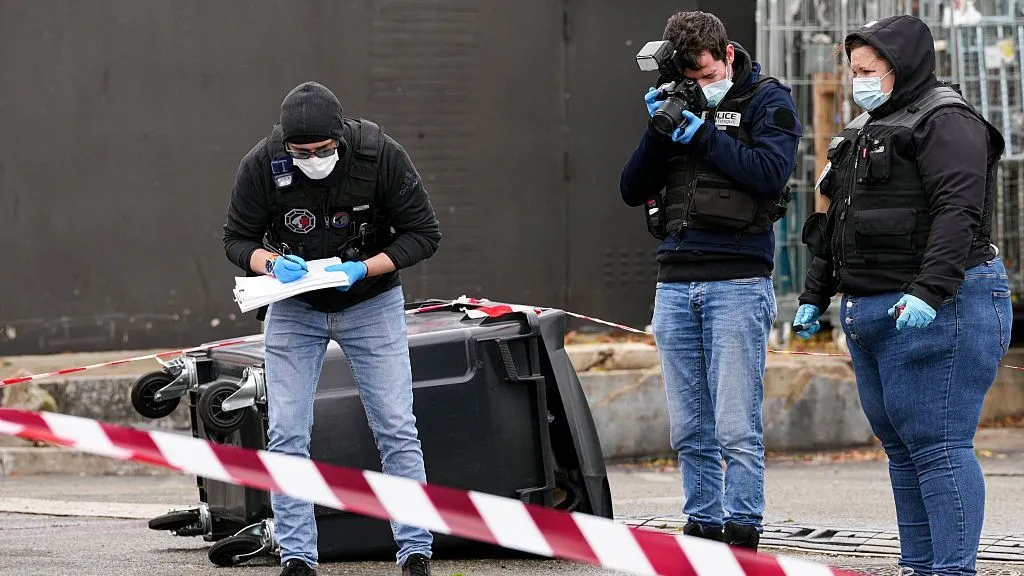
The toll has been devastating. Swiss officials have said about 40 people died, many of them teenagers or in their 20s, with roughly 115 injured — a large number suffering severe burns. Hospitals in the region were pushed to their limits as the scale became clear, with some patients transferred to specialist units elsewhere. Identification has also proved difficult: severe burns can make recognition impossible, forcing forensic teams to rely on DNA and dental records while families wait for news.
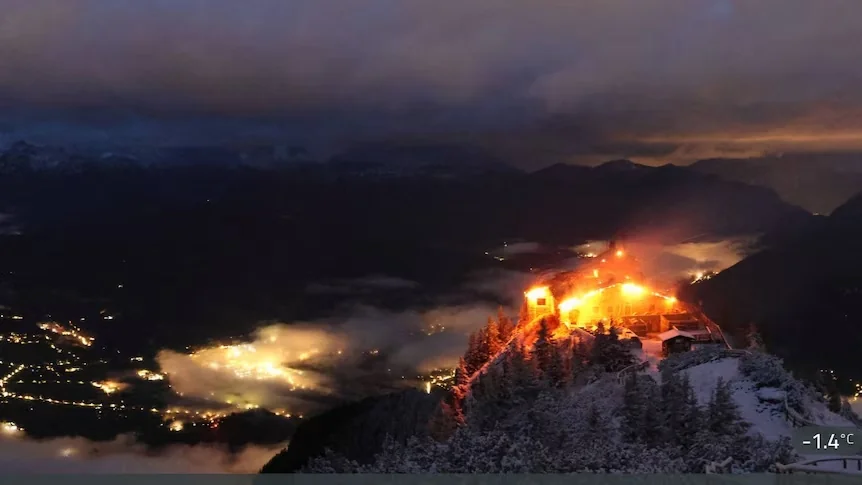
In Crans-Montana — a resort better known for alpine glamour than tragedy — the aftermath has been raw. Residents described sirens cutting through the cold night, emergency crews flooding the streets, and impromptu gathering points being set up as victims were triaged and families searched for missing loved ones. In the days since, candles and flowers have appeared near cordons, while officials have urged patience as investigators piece together a timeline from witness statements, phone footage and the condition of the building.
The questions are many and, for now, largely unanswered. Exactly what first ignited? How quickly did flames spread across the ceiling? What role did interior materials play? Were there sprinklers, alarms and sufficient exits for the size of the crowd? Authorities have said they are examining multiple hypotheses, and public speculation has ranged from sparklers to other potential ignition sources. Investigators, however, will be cautious: in major fires, the early story is often incomplete, and the evidence can be compromised by collapse, water damage and the sheer violence of heat.
Yet the broad outline of the horror has become clear in the testimony of those who made it out. Several described a rush up the stairs and toward the exit, the scramble for space, the desperate shouting for people to move. Some accounts describe windows being smashed to escape. Others describe the terrifying speed — the sense that the room turned from party to furnace in seconds.
Fire experts say that speed is exactly what makes these events so deadly. In a packed venue, seconds matter: the time it takes for smoke to drop from the ceiling, for a doorway to clog, for someone to trip, for the crowd behind them to keep moving. Once panic starts, the exit can become the most dangerous place in the room.
Swiss authorities have promised a full accounting. For families, friends and a community known for winter celebration, the hope is that answers — and accountability, if needed — will follow the grief. But for now, the clearest record of what happened comes from inside the bar itself: the image of a ceiling catching light, the sudden sprint for air, and the witness testimony of a night when the new year arrived carrying smoke.
Written by Swikriti

Make Swikblog your go-to source on Google for reliable updates, smart insights, and daily trends.