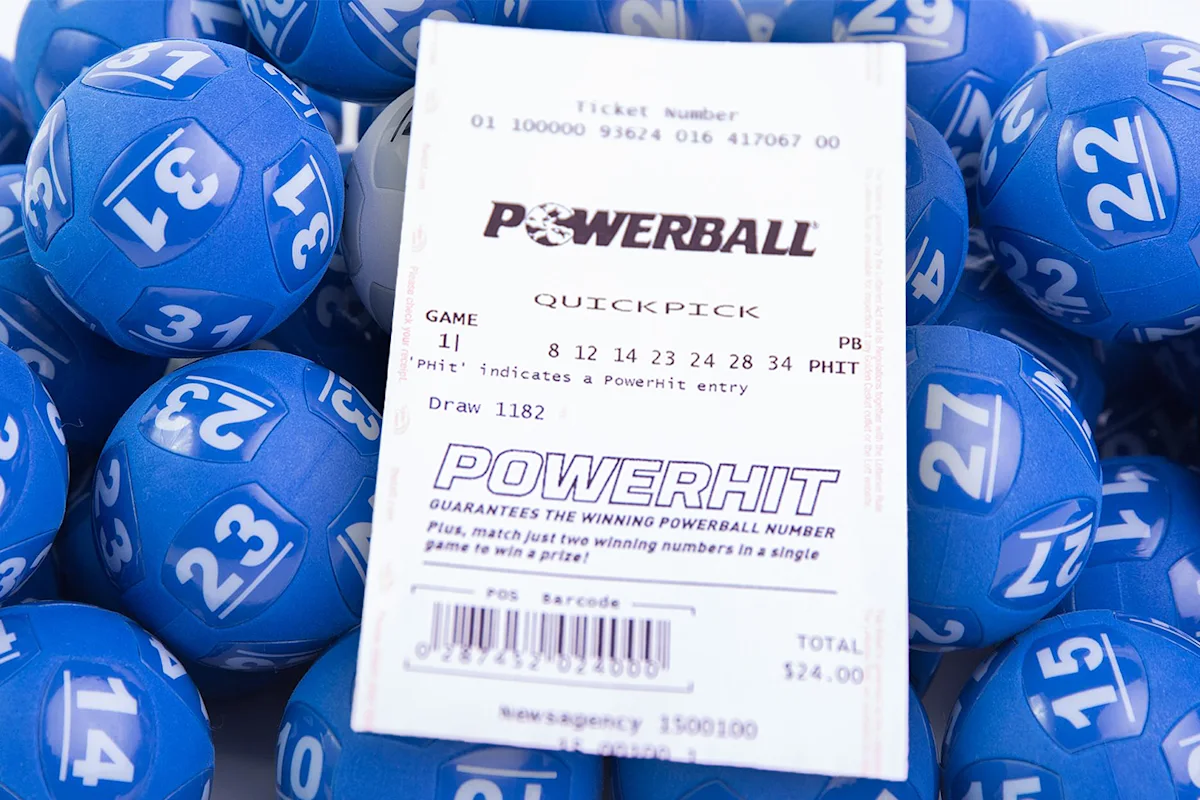

The Powerball jackpot has moved higher again, with the top prize for the Saturday, April 11, 2026 drawing now standing at an estimated $35 million. The increase follows another rollover after the midweek draw failed to produce a jackpot-winning ticket, pushing the multistate lottery back into focus for players hoping for a fresh run at a life-changing prize.
The previous drawing on April 8 carried a jackpot of $20 million, but no ticket matched all five white balls and the red Powerball. That miss was enough to send the advertised top prize sharply higher for Saturday night’s draw, continuing the pattern that often builds momentum around the game when winners do not emerge in consecutive rounds.
The numbers drawn on April 8 were 3, 16, 42, 52, with the red Powerball 3. The Power Play multiplier for that drawing was 2X. There was no jackpot winner, and there was also no player who matched all five white balls to claim the standard $1 million second-tier prize. Even so, the draw still produced a wide spread of smaller wins across lower prize categories, including players who matched four numbers plus the Powerball and others who collected multiplied payouts through Power Play.
That outcome has set up the April 11 drawing as the next chance for someone to break the streak. The next Powerball draw is scheduled for 10:59 p.m. Eastern Time, which keeps it in the usual Saturday night slot. If the jackpot is not won again, the prize pool will roll forward once more and continue to grow into the following drawing.
Powerball returns with a bigger prize on April 11
Powerball remains one of the most widely followed lottery games in the United States because of its simple format and the speed with which jackpots can rise. Players pick five white ball numbers from 1 to 69 and one red Powerball number from 1 to 26. A standard ticket costs $2, while the optional Power Play add-on costs an additional $1 and can multiply non-jackpot prizes.
The game is sold in 45 states, along with Washington, DC, Puerto Rico, and the US Virgin Islands. Participation is not limited only to US citizens. Visitors who are physically present in authorised jurisdictions can also buy tickets, provided they meet the legal age requirement, which is typically 18 years in most places.
For many players, the attraction is not only the jackpot itself but the possibility of choosing between two payout structures if they win. The advertised jackpot reflects the annuity value, paid over time, while winners can also elect a lump-sum cash option that comes in at a lower amount. As outlined in the official game information from Powerball, taxes can also significantly reduce the final amount received, with federal withholding applied first and some states adding their own tax rules on top.
That tax angle matters because the headline jackpot number can often look much larger than the amount a winner ultimately takes home. Some states do not tax lottery winnings, while others do, creating a meaningful difference depending on where the ticket was purchased and where the winner files taxes.
With no top-tier winner in the latest draw, Saturday’s game now carries renewed attention. A $35 million jackpot is still modest compared with Powerball’s giant headline-making runs, but it is large enough to pull in regular players and occasional buyers alike. That usually becomes part of the story with lottery rollovers: once the prize begins climbing, interest rises quickly, even before it reaches the massive nine-figure levels that dominate national headlines.
For now, the key point is straightforward. The April 8 drawing ended without a winner at the top or second tier, and that has pushed the Powerball jackpot up to $35 million for the April 11, 2026 draw. If no ticket matches all six numbers on Saturday night, the prize will rise again heading into the next scheduled drawing on April 13.

Make Swikblog your go-to source on Google for reliable updates, smart insights, and daily trends.