
The final build-up to the 2026 FIFA World Cup has become more complicated for several major teams, with injuries, late fitness checks, friendly results and off-field developments shaping the mood before the tournament begins.
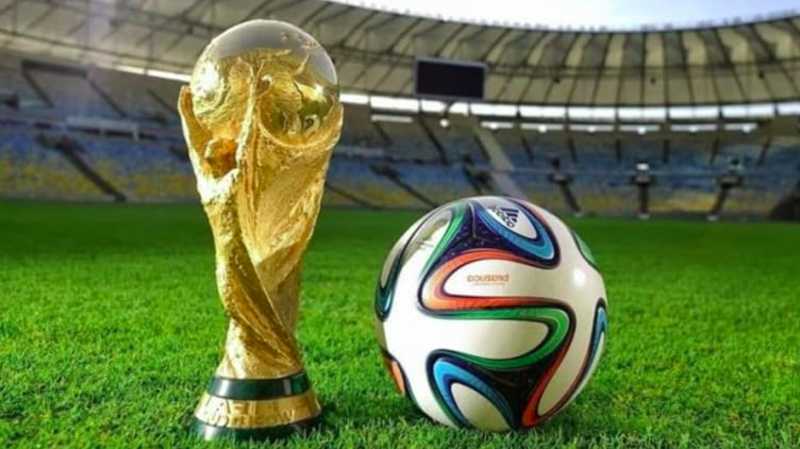
The competition will be staged across the United States, Canada and Mexico from June 11 to July 19. It will also be the biggest World Cup ever held, expanding to 48 teams and 104 matches. FIFA’s official tournament hub confirms the format, host nations and competition details on FIFA.com.
Argentina’s biggest concern remains Lionel Messi’s fitness. The forward has been managing muscle fatigue in his left hamstring, but updates from the Argentina camp have been positive. The defending champions are expected to handle his workload carefully, especially with the group stage approaching quickly.
Brazil are also waiting for clarity on Neymar. The 34-year-old has been recovering from a calf injury and missed recent warm-up action. Brazil have enough attacking depth to cope, but Neymar’s experience and creativity still make his fitness one of the key stories before kickoff.
France have fresh worries of their own. William Saliba has reportedly been dealing with a back problem, creating uncertainty in defence. France were also beaten by Côte d’Ivoire in a friendly, a result that may not define their tournament chances but does raise questions about rhythm and sharpness.
Germany suffered a major setback after teenage Bayern Munich talent Lennart Karl was ruled out with a thigh injury. Karl had been viewed as one of the exciting young players to watch, and his absence removes an unpredictable attacking option from Germany’s squad.
Injuries and Late Decisions Shape World Cup Build-Up
Canada are monitoring defender Moïse Bombito, while Paraguay are waiting on Julio Enciso after an injury scare. These cases show why squad depth will be vital in an expanded tournament. With more teams, more fixtures and more travel, managers will need reliable options beyond their strongest starting eleven.
FIFA’s stadium water bottle policy has also been part of the pre-tournament discussion. Fans attending matches in the United States and Canada will be allowed to bring sealed disposable water bottles, while reusable bottles remain restricted. The decision matters because several host cities could face hot summer conditions during the competition.
There are also logistical storylines. Iran’s players received visas to enter the United States, easing one concern before the tournament. In Los Angeles, SoFi Stadium workers authorized a strike, although no strike date has been announced. SoFi Stadium is also linked to another unusual World Cup ticketing story, after a FIFA $0 World Cup ticket error affected around 60 fans during the sales process.
Recent friendlies have added another layer of uncertainty. Iraq held Spain to a draw, while Côte d’Ivoire defeated France. Warm-up games are not always reliable indicators, but they can expose defensive issues, fitness levels and tactical gaps before competitive matches begin.
Portugal forward Rafael Leão also drew attention after being sent off in a friendly against Chile. The suspension will not carry into the World Cup, but the incident placed focus on discipline at a time when teams are trying to avoid unnecessary distractions.
Read More
All 48 teams have now submitted their squads, though replacements can still be made in cases of serious injury or illness before a team’s opening match. That rule could become important as several players continue racing to be fit.
The tournament has not started yet, but the pressure is already clear. Messi’s recovery, Neymar’s fitness, Saliba’s condition, Germany’s injury blow and unexpected friendly results have made the final days before kickoff far more dramatic than expected.

Make Swikblog your go-to source on Google for reliable updates, smart insights, and daily trends.