
YouTube is moving to give Hollywood a stronger line of defense against one of the fastest-growing problems in the AI era: realistic deepfake videos that use a celebrity’s face without permission.
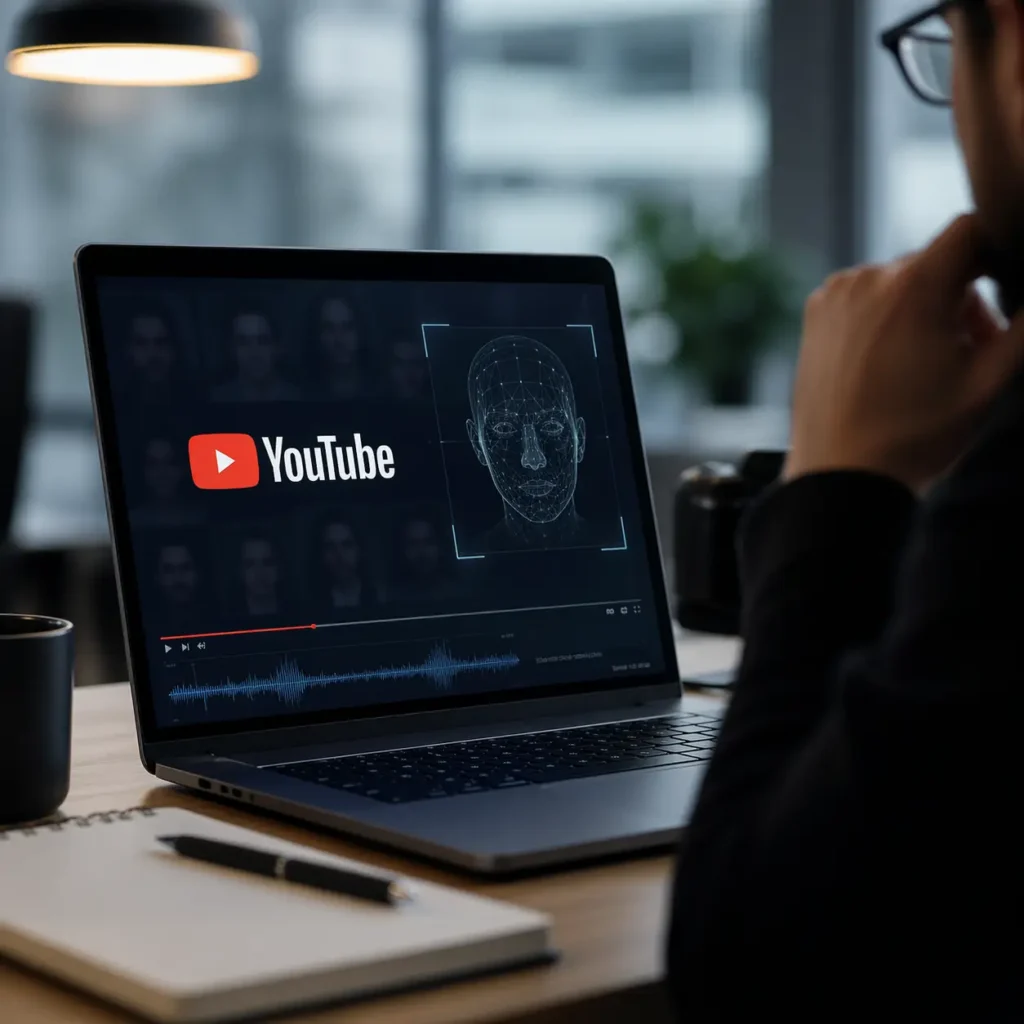
The Google-owned video platform is expanding access to its free likeness detection technology for actors, musicians, entertainers, talent agencies and management companies. The tool is designed to help public figures identify AI-generated or altered videos that appear to show their face, then request removal when the content violates YouTube’s rules.
The expansion comes as generative AI video tools become more powerful, cheaper and easier to use. What once required advanced visual-effects teams can now be created with short prompts, reference images or simple app-based tools. For Hollywood, that has turned digital likeness into a major reputational, legal and commercial concern.
YouTube Brings AI Likeness Protection to Entertainment Industry
YouTube’s likeness detection system is not limited to celebrities who actively run a YouTube channel. The company has said eligible entertainers can use the technology even if they do not publish videos on the platform. That detail is important because many actors, musicians and public figures are affected by YouTube content created by others, not by their own uploads.
The tool works by scanning for videos that may contain an AI-generated or manipulated version of a person’s face. When potential matches are found, the person or their representative can review the content and take action through YouTube’s removal process.
YouTube had earlier made the technology available to groups such as political candidates, government officials and journalists. By extending it to Hollywood, the company is acknowledging that the entertainment industry has become one of the biggest targets for AI impersonation.
The threat is not theoretical. AI-generated clips involving famous actors and musicians have already spread widely online, often without clear consent from the people being depicted. Some are presented as fan-made experiments, while others risk misleading viewers or falsely suggesting endorsement, participation or approval.
That distinction is becoming harder for audiences to judge. A short clip can travel across social media without its original context, gaining millions of views before the person shown in the video has any chance to respond.
For more details on how platforms are handling AI-generated media, you can refer to YouTube’s official guidelines on synthetic and AI-generated content policies.
Why Hollywood Is Worried About Deepfake Videos
For entertainers, a face is more than a recognizable feature. It is part of their career, brand value and earning power. A celebrity’s image can be linked to film contracts, music releases, advertising deals, public appearances and long-term reputation.
When AI tools recreate that image without permission, the damage can go beyond embarrassment. A fake video could make an actor appear in a scene they never filmed, make a musician seem to promote a product they never endorsed, or place a public figure inside a political or social controversy they had nothing to do with.
The concern has grown sharper after a wave of realistic AI videos featuring well-known celebrities. Some clips have recreated late performers such as Michael Jackson and Elvis Presley, raising difficult questions about who controls a person’s likeness after death. Other AI videos have shown living actors in fabricated action scenes that looked polished enough to confuse casual viewers.
One viral example involved a realistic AI-created scene of Brad Pitt fighting Tom Cruise on a rooftop. The video drew attention not only because of its quality, but because it showed how quickly synthetic footage can produce believable scenes involving real stars without studio involvement or actor consent.
That kind of content has unsettled parts of the film industry. Studios, agencies and rights holders are increasingly concerned that AI-generated videos could weaken copyright protections, disrupt creative labor and create unauthorized commercial value from a person’s identity.
Industry leaders have also warned that deepfakes are not only an entertainment issue. The same technology can be used to spread misinformation, manipulate public opinion, damage companies, influence markets or mislead audiences during sensitive events.
YouTube’s decision to provide the tool for free may help talent representatives respond more quickly. Large stars often have legal teams and brand-monitoring services, but many working actors, musicians and creators do not. A built-in platform tool gives more people access to protection that would otherwise be expensive or difficult to manage.
Still, detection technology is not a complete solution. AI-generated videos are improving rapidly, and bad actors can edit, crop or alter clips to avoid detection. Platforms also need clear rules for handling satire, parody, commentary and newsworthy uses of synthetic media.
This is where enforcement will matter. A detection tool is useful only if it is accurate, regularly updated and connected to a fast removal process. If flagged content remains online for too long, the harm may already be done by the time action is taken.
YouTube’s move also puts pressure on other major platforms. As AI video spreads across TikTok, Instagram, X and other services, celebrities and public figures may expect similar tools elsewhere. The future of online identity protection will likely depend on whether platforms can work faster than the people creating misleading synthetic media.
For viewers, the change is another reminder that video evidence is no longer as simple as it once seemed. A polished clip of a famous person may look real, but that does not mean it was recorded, approved or even performed by them.
For Hollywood, YouTube’s deepfake detection rollout marks a practical step in a much larger fight over consent, ownership and trust. AI has made it easier to create convincing fake media, but platforms are now being pushed to prove they can protect the people whose identities are being copied.
The battle over celebrity likeness is likely to grow as AI video tools become more advanced. YouTube’s free detection system may not stop every deepfake, but it gives entertainers a clearer path to find unauthorized videos and challenge them before they cause wider damage.
You may like: Microsoft Buyouts Hit 7% of Workforce as AI Spending Rises

Make Swikblog your go-to source on Google for reliable updates, smart insights, and daily trends.