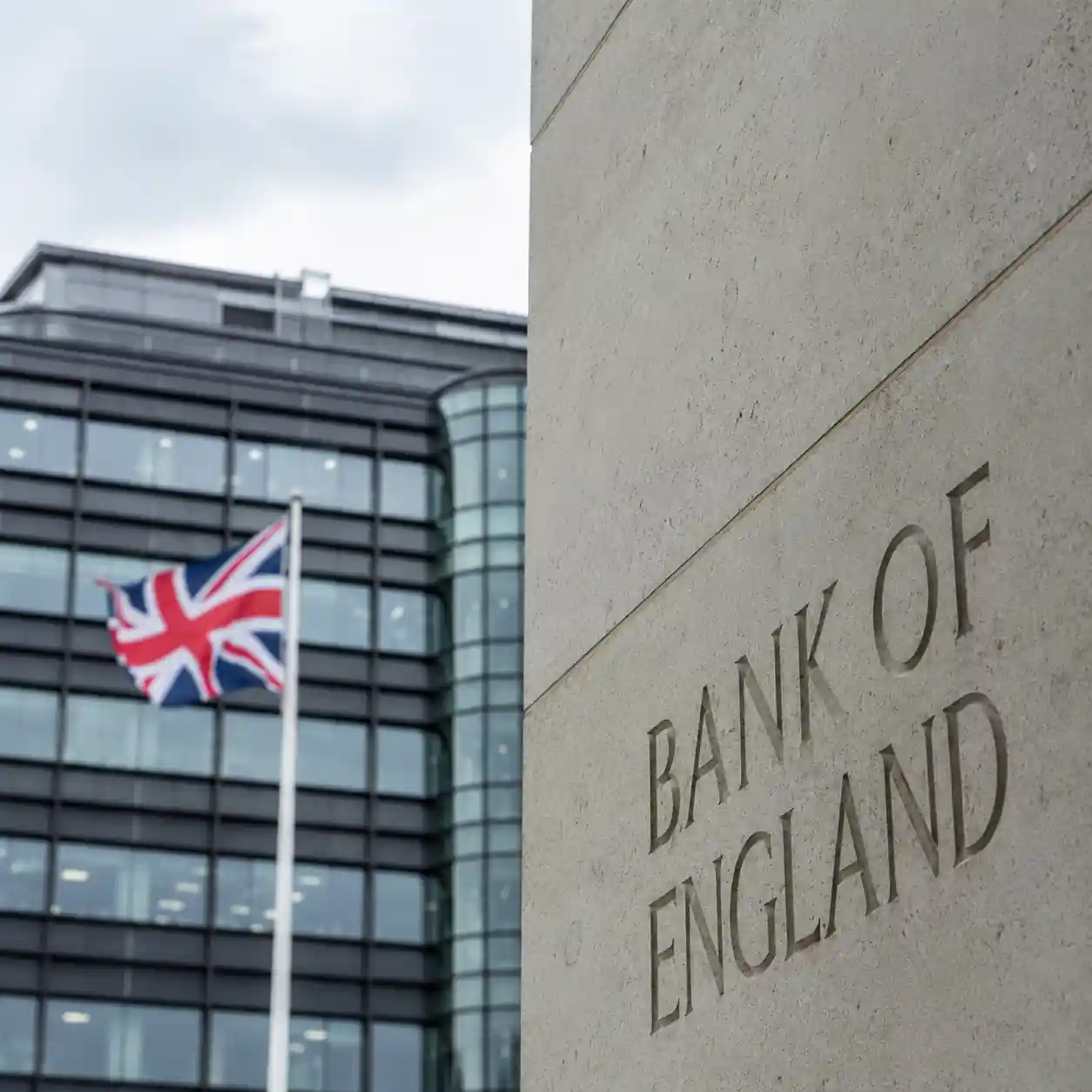
The UK’s blue-chip index has finally crossed a psychological milestone that traders have talked about for years — and it didn’t happen quietly.
By Swikblog Desk • Updated: Jan 2, 2026
The FTSE 100 has broken through 10,000 points for the first time, pushing London’s flagship index into new record territory at the start of 2026. The move is symbolic — a round-number barrier that often draws extra attention — but it is also a snapshot of something deeper: investors have been re-rating parts of the UK market after a standout 2025 and a rotation into sectors that dominate the Footsie.
Early trading saw the index climb above the line and print a fresh intraday high, building on momentum from a strong previous year. The FTSE 100’s rise in 2025 was its best annual performance since 2009, helped by a surge in heavyweight sectors such as banks, miners and defence stocks. Major outlets including The Guardian and Reuters reported the milestone and pointed to a broad global risk-on tone that carried into the first sessions of the year.
Why 10,000 matters (and why it’s not just a headline)
Round-number levels can act like magnets in markets. They become reference points for traders, a shorthand for confidence, and (sometimes) a trigger for profit-taking. But the bigger story here is how the FTSE 100 is built. Unlike the S&P 500, where mega-cap technology companies have dominated returns in recent years, the FTSE 100 is tilted toward global earners in finance, energy, mining, consumer staples and industrials — businesses that can benefit when commodity prices move, when interest rates stay elevated, or when geopolitical spending priorities change.
That composition helps explain why London can rally even when “big tech” is not leading the world’s stock markets. A weaker pound can also lift overseas earnings when they are translated back into sterling, and many Footsie companies generate a large share of revenue outside the UK. In other words: the index can behave more like a global value and income basket than a pure read on the domestic economy.
The sectors that helped power the move
Banks were among the clearest winners last year, as higher interest rates supported net interest margins and the sector benefited from periods of steadier economic data. The market has also been watching for signals on how quickly central banks might ease, because the speed of rate cuts can shape bank profitability and credit demand.
Mining stocks also played a key role, with precious-metals exposure drawing interest when gold and silver prices strengthened. Fresnillo was repeatedly cited as a notable mover during the rally, reflecting how single large constituents can influence the index on a strong day.
Meanwhile, defence and aerospace names have stayed in focus as European governments discuss long-term spending commitments. For the FTSE 100, that matters: when heavyweight companies in a trending sector catch a bid, the index can climb quickly even if parts of the market are flat.
Put together, the milestone is less about one company and more about a cluster of themes — rates, commodities and industrial spending — landing at the same time. That’s why the move has felt sharper than the slower grind investors often associate with the UK’s benchmark.
What happens next: three things to watch
Breaking 10,000 does not guarantee a straight line higher. The next phase often depends on whether fresh buyers step in or whether early movers lock in gains. Here are three practical markers investors tend to follow after a milestone like this:
- Staying power above 10,000: A brief spike can be followed by a pullback. Traders watch whether the index can hold the level on down days, not just on rally days.
- Earnings updates from big constituents: Guidance from banks, miners and global consumer firms can quickly shift sentiment, especially if margins or demand weaken.
- Rate-cut expectations: If markets price faster easing, some sectors may cool while others (including rate-sensitive domestic names) could benefit.
For everyday readers, the key takeaway is simple: the FTSE 100 crossing 10,000 is a marker of market confidence, but it is also a reminder of what the index represents — a collection of globally exposed giants that can rise on themes that have little to do with UK high streets.
If the rally holds, the milestone may help shift the narrative around London equities after years of complaints about valuation gaps and a lack of momentum. If it fades, it will still stand as a moment when the market’s most talked-about number finally clicked into place.
You may also like
North London Derby (Nov 23, 2025): What happened, why it trended, and the talking points

Make Swikblog your go-to source on Google for reliable updates, smart insights, and daily trends.