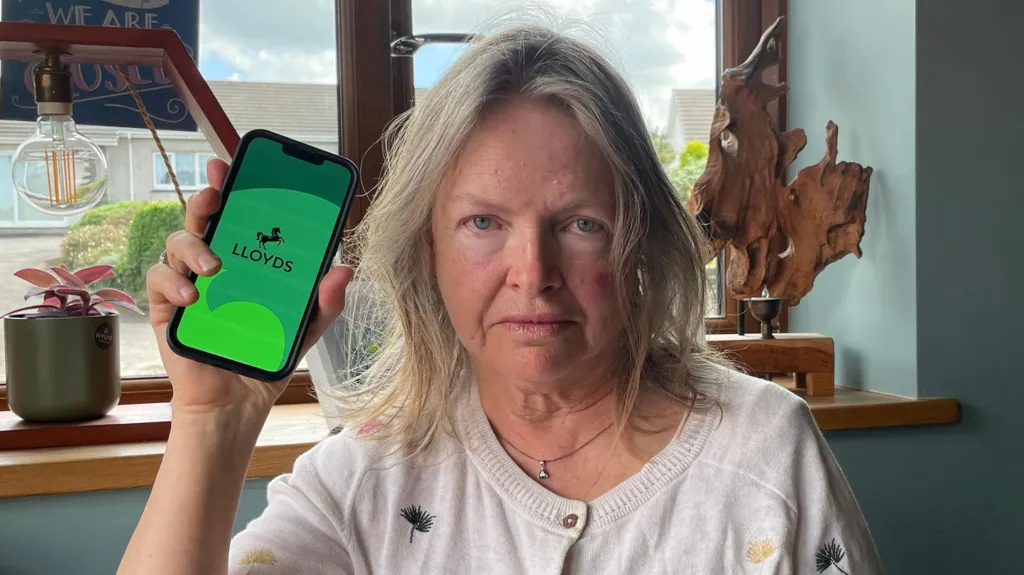

A £900 HMRC cheque has put Lloyds Banking Group back under pressure over rural banking access, after a Cornwall customer said she was left facing a 94-mile round trip because she could not pay the money in locally.
Annabel Yates, from Crackington Haven in Cornwall, received the cheque from HM Revenue and Customs but ran into problems when trying to deposit it through the Lloyds mobile app. The cheque would not scan properly because it did not have perforated edges, leaving her unable to complete the payment digitally.
For many customers, the next step would be a quick visit to a nearby bank branch or Post Office. But that option was not available in the way Yates expected. When she went to Marshgate Post Office, near Boscastle, she was told Lloyds Banking Group customers could no longer pay in cheques through the Post Office network after the service was stopped in January.
The change affects customers across Lloyds Bank, Halifax and Bank of Scotland. Lloyds has said it updated terms and conditions on some accounts last year and informed customers that cheque deposits through the Post Office would no longer be available.
That left Yates with limited choices. She said she faced either a 75-mile round trip to Okehampton or a 94-mile round trip to Truro to visit a branch and deposit the cheque in person.
Yates said the experience left her “sad and frustrated” and argued that the change “disenfranchises the rural population”. Her criticism was not simply about one failed app scan, but about the widening gap between digital banking policies and the reality of living in a remote community.
“I think the bank’s theory is everything could be done on an app and that’s just not always the case,” she said, describing the approach as “very backwards thinking”.
Lloyds told customers affected by the change that they could still use the bank’s app, visit any Lloyds, Halifax or Bank of Scotland branch, or use a freepost cheque deposit service. But Yates said she was not comfortable sending a cheque worth £900 through the post when she could not be certain it would arrive safely.
Her concern is one many customers will understand. A cheque from HMRC is not a casual payment. For households dealing with tax refunds, bills or rising living costs, waiting longer for access to money can create avoidable stress, especially when the payment itself has already been issued.
The case also raises a wider question: what happens when a bank removes a local service before every customer has a realistic replacement?
Lloyds Banking Group has defended the move by pointing to the decline of cheques across the UK. The bank said industry figures showed cheques made up just 0.1% of all UK payments in 2024. That number explains why banks are investing heavily in mobile and online services, but it does not erase the fact that cheques are still used for government payments, refunds, insurance settlements, gifts, community groups and small organisations.
In rural areas, the practical impact can be sharper. Internet access can be patchy, public transport is often limited and the distance to the nearest branch can turn a simple banking task into a half-day journey.
Read More
Marshgate Post Office postmistress Joanna Bickersteth said Yates’s experience was not unusual. She said a number of customers had been frustrated by the loss of cheque deposit services and added that cheques were still “used a great deal” in the area.
Bickersteth also said the change had reduced the facilities available to customers by removing the Post Office option. Even the new banking hub in Bude could not solve the issue, she said, because cheque processing there was still tied to Post Office facilities.
That detail is important because banking hubs are often presented as the answer to branch closures. They can help with some everyday services, but they do not always replace every function a full bank branch or previous Post Office arrangement provided.
The pressure on Lloyds comes as the group continues reshaping its physical network. Swikblog previously reported that Lloyds is closing 95 more branches across Lloyds, Halifax and Bank of Scotland, adding to concerns about how customers outside major towns will access face-to-face banking services. Read more here: Lloyds to Close 95 More Branches in Major High Street Shake-Up.
Swikblog has also covered the removal of Post Office cheque services for Lloyds, Halifax and Bank of Scotland customers, a change affecting millions across the group. More details are available here: Lloyds Bank and Halifax Customers Lose Post Office Cheque Service.
Regulators have been clear that banks must consider how changes affect customers who rely on local access. The Financial Conduct Authority says firms should assess the impact of branch and ATM closures or conversions on customers’ everyday banking needs and the availability of alternatives. Its guidance is available here: FCA guidance on branch and ATM closures.
For Lloyds, the challenge is balancing falling cheque use with the expectations of customers who still need dependable in-person options. For rural communities, the issue is simpler: banking services may be changing, but essential access still matters.
Yates’s £900 cheque has become a small but telling example of a larger shift in UK banking. Apps may work well for millions of customers, but when they fail, people still need a practical backup that does not involve driving nearly 100 miles.

Make Swikblog your go-to source on Google for reliable updates, smart insights, and daily trends.