
National Poutine Day on April 11 is drawing fresh attention to one of Canada’s most iconic comfort foods, with Columbus restaurants embracing the trend through both traditional and inventive takes on the classic fries, gravy and cheese curds combination. What was once a niche import in the United States is now steadily gaining ground, helped by culinary experimentation and the city’s strong ties to hockey culture.
The timing is no coincidence. With the Columbus Blue Jackets in season and a noticeable Canadian influence around Nationwide Arena on game days, poutine has found a natural audience. Executive chef Sean Barger has spent years evolving the dish inside the arena, serving everything from loaded poutine fries to poutine cheesesteaks. This season, games against Canadian teams have featured a standout variation — poutine nachos made with thinly sliced in-house fried potatoes tossed in gravy powder, then topped with queso blanco, bacon and cheese curds.
For Jean-Luc Grand-Pierre, a Montreal native and former NHL defenseman who now works as a Blue Jackets TV analyst, poutine remains a daily staple back home. “It’s like mac and cheese here,” he said, describing its role in Canadian life. During a late-night return to Montreal after a March 26 game, Grand-Pierre sought out the dish just before midnight — a reminder of its constant availability north of the border. He admits to being a purist, preferring fries that are greasy and slightly soggy, with cheese curds that still deliver their signature squeak.
That sense of authenticity hasn’t stopped Columbus chefs from pushing boundaries. For a recent discussion, Barger even prepared an upscale Lexus Lounge version of poutine using double-fried fingerling potatoes tossed in truffle salt, topped with braised lamb, veal demi-glace, cheese curds and chives — a far cry from the traditional roadside version, but one that still earned Grand-Pierre’s approval.
From classic plates to bold reinventions
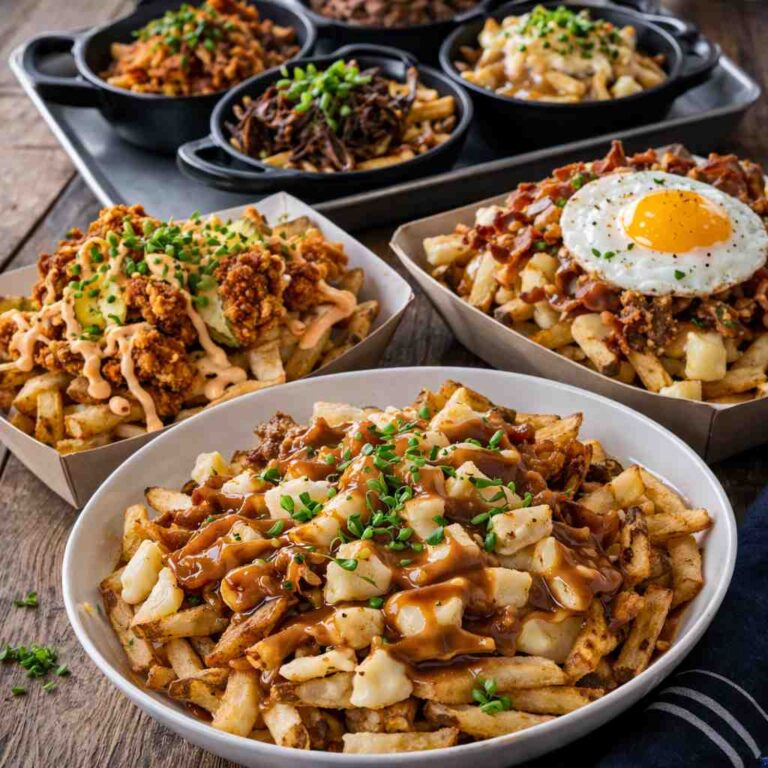
Across the city, restaurants are marking National Poutine Day with distinctive offerings. In Franklinton, Little West Tavern’s seasonal poutine window at The Junto hotel opens on April 11 with a celebration featuring a DJ and lawn games between 5 and 7 p.m. The menu reflects the dish’s growing versatility, with three options: the OG poutine made with skin-on fries, cheddar curds, shredded sharp cheddar and gravy; a Nashville version with crispy chicken, spicy gravy, pickles and house sauce; and a breakfast poutine topped with bacon and a sunny-side-up egg.
Hank’s Texas BBQ, with locations in Clintonville and Delaware, stays closer to the roots. Its version features house-cut fries, local cheese curds and brown gravy, offering what many consider the most traditional poutine experience in central Ohio — a contrast to the more experimental plates appearing elsewhere.
At Rhonemus Cellars in Lancaster, the dish bridges brunch and dinner. Its version includes classic fries, curds and herb gravy topped with a soft egg, served during weekend brunch hours from 11 a.m. to 3 p.m. and also listed as a starter on the dinner menu. The addition reflects how poutine is expanding beyond late-night indulgence into all-day dining.
Pierogi Mountain in downtown Columbus takes a distinctly different route, allowing diners to choose among three gravies — mushroom stroganoff, chicken paprikash or cider pot roast — layered over fries and shredded cheddar cheese. The approach blends Eastern European flavors with the Canadian staple, underscoring how adaptable the dish has become.
Even Thurman Cafe, which does not formally list poutine, offers a workaround. Diners can add melted cheddar cheese and roasted-beef gravy to its hand-cut fries, effectively creating their own version — a sign that the dish has moved into mainstream territory.
Why poutine is gaining ground in the U.S.
The rise of poutine in Columbus reflects a broader shift in American eating habits, where global comfort foods are being embraced and reinterpreted. The dish’s simplicity — fries, gravy and cheese — makes it instantly accessible, while its flexibility allows chefs to experiment without losing its core identity.
In Canada, poutine is often described as a symbol of national identity, widely available from roadside stands to high-end restaurants. Its history, rooted in Quebec in the mid-20th century, has helped shape its cultural significance, as outlined by Britannica. In the United States, however, its growth has been more gradual, driven by food trends, regional influences and crossover appeal from sports culture.
Columbus now appears to be at a tipping point. With multiple restaurants offering both classic and inventive versions — and with National Poutine Day providing a clear annual spotlight — the dish is no longer an outlier. Instead, it is becoming part of the city’s evolving comfort food landscape, where tradition and creativity coexist on the same plate.
You may like: Elon Musk’s xChat launch on April 17 could reshape the messaging app race.

Make Swikblog your go-to source on Google for reliable updates, smart insights, and daily trends.