A Canadian grandfather who had built a life in Florida over two decades has been deported back to Canada after what his family says began as a routine probation meeting and ended with an unexpected ICE arrest. Douglas Dixon, 61, was removed from the United States on April 15, 2026, after a short immigration hearing closed a chapter that had tied together a tax case, detention, and a sudden separation from his family.
Dixon had lived in the United States since 2005. He had settled on Florida’s Gulf Coast with his wife, Jo Ann Collison, and raised a family there. Before his detention, he had been trying to recover financially after his smoothie business in Port Charlotte struggled during the pandemic. That financial strain later became central to the legal trouble that shaped his immigration case.
Detention, tax case, and a family left behind
According to reports surrounding the case, Dixon was taken into custody on February 10 after arriving for an off-schedule meeting with his probation officer in Florida. He had previously pleaded no contest in a tax evasion case linked to more than $30,000 in unpaid taxes. He had already repaid nearly two-thirds of that amount, but the outstanding balance remained part of the record that followed him.
His daughter, Amy Bazley, said the family learned about the arrest through a phone call after he had already been detained. She described the shock of hearing that her father had been picked up by immigration agents, saying it was the kind of news a family never expects to receive about someone they love.
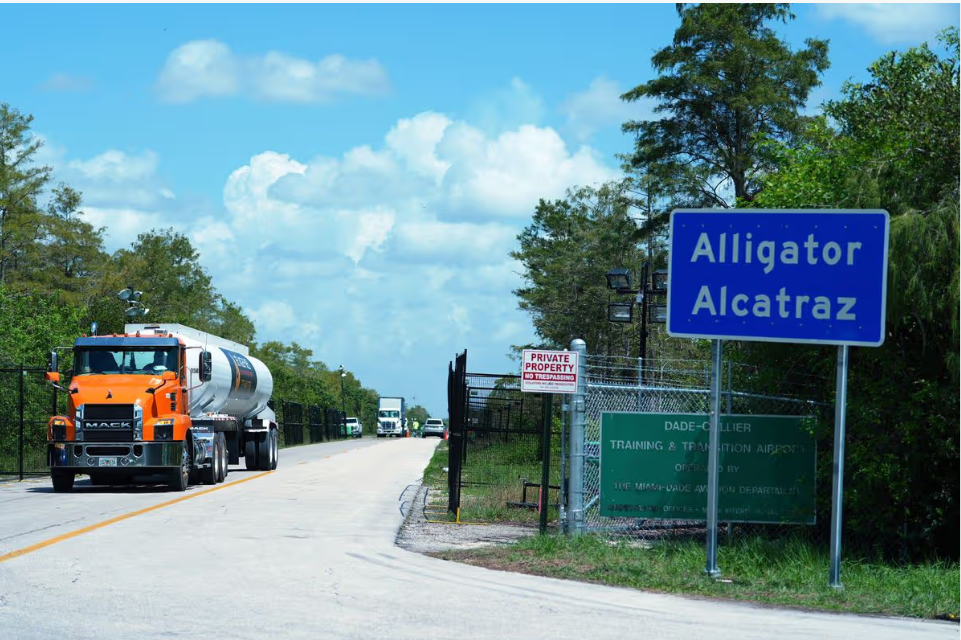
Dixon was then held for nine days at a Florida detention center that has drawn attention over conditions inside. He described being placed in a fenced holding area built for dozens of men and said the environment felt overcrowded and degrading. In interviews after his removal, he said many of the detainees he met were workers and family men whose lives had been abruptly interrupted.
His account has added to wider scrutiny around detention practices and access to family contact during immigration proceedings. Public information from U.S. guidance on ICE detention and case status shows how detainees are processed and tracked, but stories like Dixon’s continue to draw attention because they put a human face on removal decisions that unfold quickly and often leave families with little time to respond.
After what was described as a brief online hearing lasting about 10 minutes, a judge ordered Dixon’s permanent removal from the United States. He was then flown to Canada without getting the chance to meet relatives in person before leaving. That final detail has become one of the most painful parts of the story for those close to him, because the case was not only about legal status or unpaid taxes. It was also about the sudden ending of a life he had built over many years in Florida.
The case has resonated because it sits at the intersection of immigration enforcement, financial hardship, and family separation. Dixon was not accused in this episode of a violent offense, and his story has instead focused public attention on the speed with which a long-term resident can be detained and removed once immigration consequences begin to follow a criminal conviction. For his family, the headlines arrived after the fact. For Dixon, the result was immediate: the country where he had lived since the mid-2000s was no longer home in legal terms, even if that is where much of his life still remains.

Make Swikblog your go-to source on Google for reliable updates, smart insights, and daily trends.