
Kevin O’Leary’s proposed AI data center campus in Utah is no longer just a local development story. It has become a test case for how far states are willing to go in welcoming artificial intelligence infrastructure while protecting residents from pressure on water, power, air quality, and community life.
Utah Gov. Spencer Cox has now stepped into the debate surrounding the Stratos Project, a massive data center development planned in Box Elder County and backed by the “Shark Tank” investor. The project has already won approval from county commissioners, but public opposition has grown sharply as residents question what the development could mean for utility costs, water supply, noise levels, and the wider environment.
Cox said he has heard concerns from residents, local leaders, and other stakeholders, describing issues around energy and air quality as “real concerns.” His response does not shut down the project, but it does make clear that future expansion will face closer review and stricter accountability.
“All Utahns should expect clear standards and accountability,” Cox said in a post on X while outlining new actions tied to the development.
Utah Adds New Conditions to O’Leary-Backed Data Center
The most important change is a new limit on the first phase of the project. Cox said the initial stage must not exceed 1.5 gigawatts unless developers secure fresh approvals for later expansion. In practical terms, that means the project cannot simply scale up without returning to regulators and addressing new questions.
The governor also directed Utah’s environmental agency to review permits linked to air quality. At the same time, the Department of Natural Resources has been asked to ensure the state’s water is protected and that the project uses the most environmentally sensitive cooling systems available.
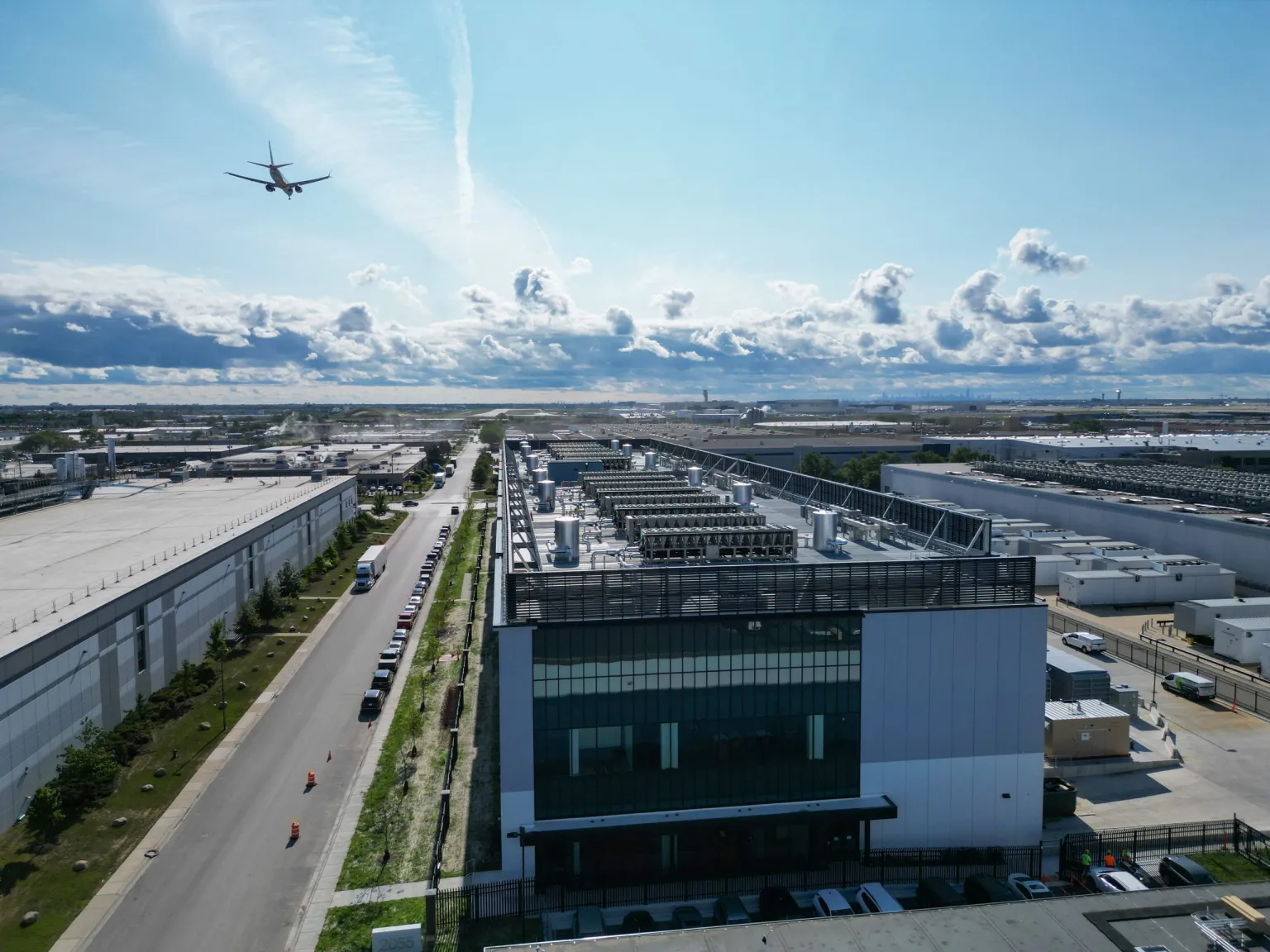
Those conditions strike at the heart of the data center debate. AI facilities need large amounts of electricity to run advanced chips and servers. They also require cooling systems to keep equipment operating safely. While newer data centers are adopting more efficient technology, critics argue that large campuses can still place heavy pressure on water and power systems.
That concern is especially serious in Utah and other western states, where water use is already a politically sensitive issue. Residents near the proposed site worry that a project of this scale could reshape the region before the full cost is understood.
The Stratos Project is planned on a 40,000-acre campus, making it far larger than a routine technology development. For supporters, that size represents investment, jobs, and a chance for Utah to become part of the AI infrastructure boom. For opponents, it raises questions about whether local communities are being asked to carry too much of the burden for a national technology race.
Read More
Local Protests Show the AI Boom Has a Community Problem
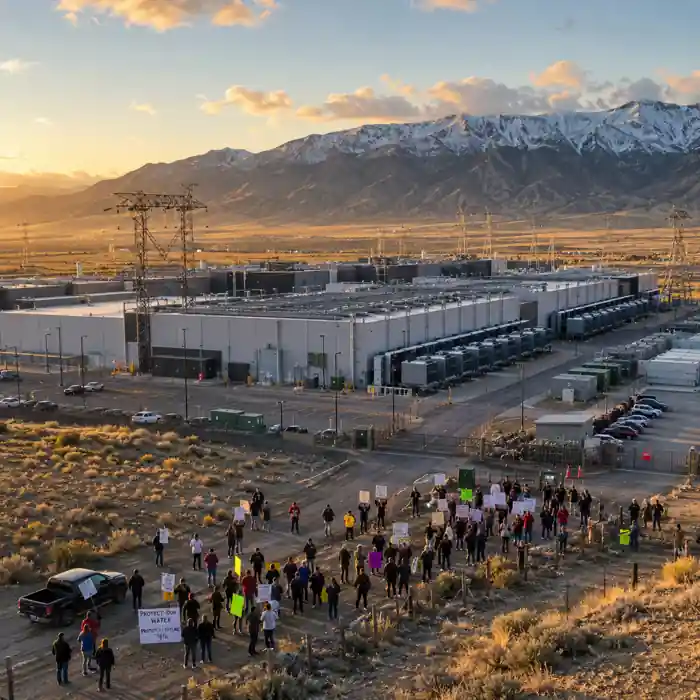
Residents have staged protests against the Box Elder County data center and pushed back against local politicians who supported the project. Their concerns include possible increases in utility bills, strain on the electric grid, water demand, industrial noise, and changes to quality of life.
This is where the story becomes bigger than Kevin O’Leary or one Utah county. Across the United States, artificial intelligence is creating huge demand for new data centers. Tech companies need more computing power to train and run AI systems, but those facilities must be built somewhere — and local communities are increasingly questioning why they should accept the environmental and infrastructure risks.
O’Leary has pushed back against criticism of the Utah project. Earlier this week, he suggested, without providing evidence, that some opposition may have involved “professional protesters.” He also said AI-generated posts may have ironically helped drive parts of the online conversation around the project.
On Friday, O’Leary appeared to shift his message toward public understanding, saying many people may not fully understand what data centers are or how they work. He also said sustainability, water and air rights, Indigenous rights, and community engagement could become more valuable than the equity raised for such projects.
That comment points to a growing reality for investors in AI infrastructure. Money alone is not enough. Data center developers now need political approval, environmental credibility, and public trust.
The Utah governor’s response reflects that shift. By requiring new approvals for future phases and ordering reviews of air, water, cooling, and grid-related issues, Cox is trying to create a framework that allows development to continue while giving residents more oversight.
For the AI industry, the case is a warning. The race to build computing capacity is moving faster than many communities are comfortable with. Data centers may be essential to the next stage of digital growth, but they are also physical projects with local consequences.
The Stratos Project may still move forward, but it now faces a more difficult path. Every future phase could bring new regulatory scrutiny, more public debate, and added pressure on developers to prove that the benefits outweigh the risks.
Utah’s decision could become an example for other states weighing similar projects. The message is not that AI infrastructure cannot be built. The message is that large data centers will increasingly need to answer harder questions about water, energy, air quality, and the people living nearby.
For O’Leary, the challenge is no longer only about building a major AI campus. It is about convincing Utah residents that the project can grow without damaging the resources and communities around it.

Make Swikblog your go-to source on Google for reliable updates, smart insights, and daily trends.