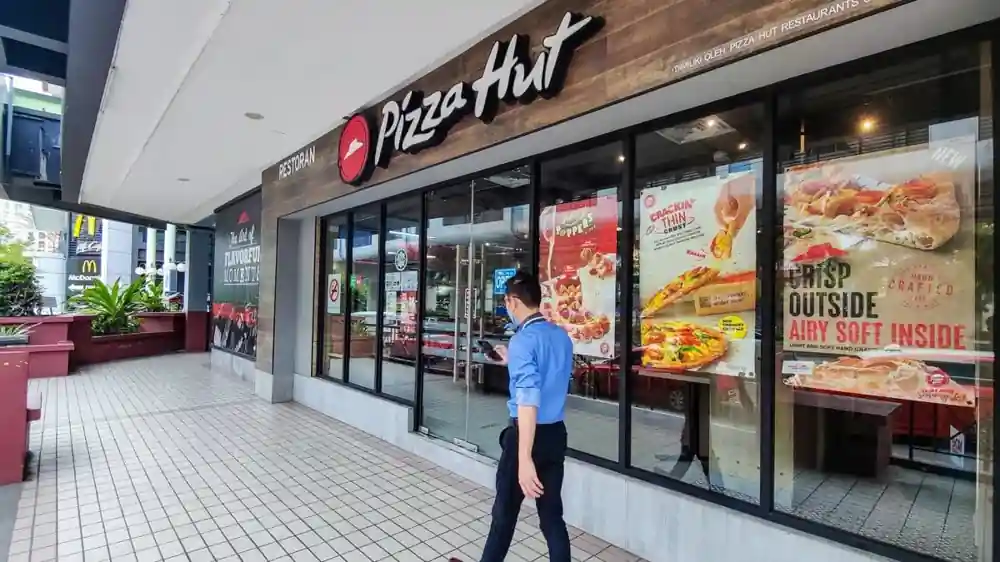

Pizza Hut is set to leave Yum! Brands after the restaurant group agreed to sell the global pizza business for a combined $2.7 billion. The definitive agreements, announced on June 16, 2026, replace earlier speculation about a possible sale and divide the brand between two buyers.
Private equity firm LongRange Capital will acquire Pizza Hut outside mainland China for approximately $1.5 billion. Yum China Holdings, which already operates Pizza Hut restaurants in mainland China, will buy the Chinese business for about $1.2 billion.
Yum! Brands said in its latest update that it expects the transactions to be completed in August 2026, subject to regulatory approvals and other customary closing conditions.
How the $2.7 billion Pizza Hut sale will work
LongRange Capital will take control of the Pizza Hut brand and operations across the United States and other markets outside mainland China. The investment firm could pay Yum! Brands an additional $75 million by 2030 if agreed performance conditions are met.
Yum China will separately acquire Pizza Hut’s mainland China business. The company was separated from Yum! Brands in 2016 and is already the local operator of Pizza Hut, KFC and other restaurant concepts in China.
Yum! Brands expects approximately $2.3 billion in net proceeds after taxes, closing adjustments and transaction-related fees, excluding the possible earn-out. It also expects to incur about $85 million in separation expenses during 2026.
The company approved an additional $4 billion share-repurchase authorization alongside the sale. Once both transactions close, Yum! Brands will focus its portfolio on KFC, Taco Bell and Habit Burger & Grill.
What happens to Pizza Hut restaurants and franchisees?
The agreement does not mean Pizza Hut is going out of business or that every restaurant will change immediately. Most locations are operated by franchisees, and customers should continue using the same ordering channels unless an individual restaurant closes or announces a local change.
Yum! Brands will continue providing its Byte by Yum! technology platform to Pizza Hut outside China. It will also supply certain corporate services during the transition, reducing the risk of an abrupt disruption to ordering, restaurant support and franchise operations.
LongRange has said it intends to work with Pizza Hut’s management and franchise partners while investing in food quality and customer experience. Specific plans for restaurant remodeling, staffing, menus or franchise agreements have not been announced.
Where the 250 US restaurant closures fit in
The ownership change follows a separate plan to close approximately 250 underperforming Pizza Hut restaurants in the United States. Yum! Brands announced the closures in February and targeted the first half of 2026 for completing them under its Hut Forward improvement program.
The company has not published a verified nationwide list of all affected addresses. The closures were intended to remove weaker restaurants from a US system containing more than 6,000 locations, rather than withdraw Pizza Hut from the country.
Pizza Hut entered 2026 after US same-store sales fell 5% in 2025. Same-store sales measure performance at restaurants operating for at least a year, making the decline a useful indicator of weakening demand at established locations.
The brand still finished 2025 with 19,974 restaurants worldwide. It opened nearly 1,200 locations during the year, but total closures exceeded openings, producing a net decline of 251 restaurants.
Read More:
Why Yum! Brands decided to sell
Yum! Brands began a formal strategic review of Pizza Hut in November 2025. The Louisville, Kentucky-based group concluded that the pizza chain’s needs differed from those of its faster-growing businesses and could be addressed more effectively under dedicated ownership.
Pizza Hut’s international performance has generally been stronger than its US results, particularly in parts of Asia, Latin America and the Middle East. Splitting the business allows LongRange to oversee markets outside mainland China while Yum China gains direct ownership of a market it already operates.
The sale comes as restaurant companies reconsider weaker locations, operating costs and long-term ownership plans. Similar financial pressure recently led to Smoking Monkey Pizza filing for Chapter 11 bankruptcy following a store closure.
Other food businesses are pursuing different routes to raise capital and reward employees. The planned Jersey Mike’s IPO and employee payout program shows how restaurant brands are using ownership changes to fund their next stage of growth.
What remains uncertain
The agreements have been approved by the Yum! Brands board, but completion still depends on required approvals and closing conditions. Until that process is finished, Pizza Hut remains part of Yum! Brands.
The main questions now concern LongRange’s investment plans, the future pace of US restaurant closures and how quickly the new owners can improve sales at established stores. The transaction changes Pizza Hut’s ownership structure, but rebuilding performance will depend on restaurant execution, competitive pricing and support from its franchise system.
Full transaction terms and closing risks are available in the official Yum! Brands announcement.

Make Swikblog your go-to source on Google for reliable updates, smart insights, and daily trends.