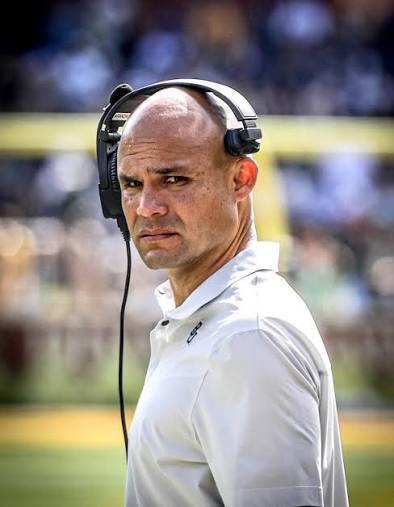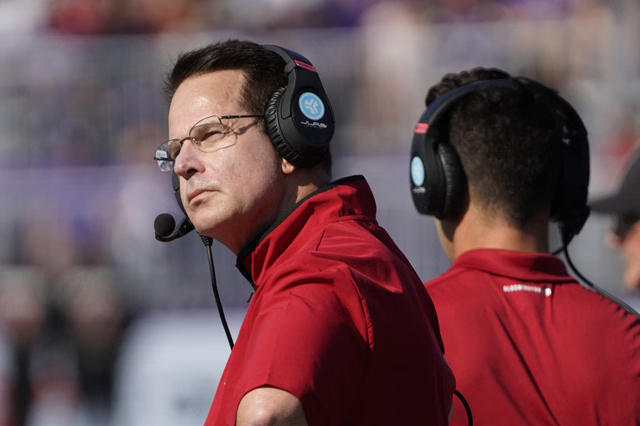

Indiana head coach Curt Cignetti has replaced Georgia’s Kirby Smart at No. 1 in ESPN’s ranking of the top 25 active college football coaches entering the 2026 season. The change follows Indiana’s undefeated national championship campaign and one of the fastest program turnarounds in modern college football.
The ranking was compiled from ballots submitted by 10 ESPN college football reporters. Voters considered recent results, career achievements, recruiting, player development, roster management and each coach’s ability to meet expectations at his current program.
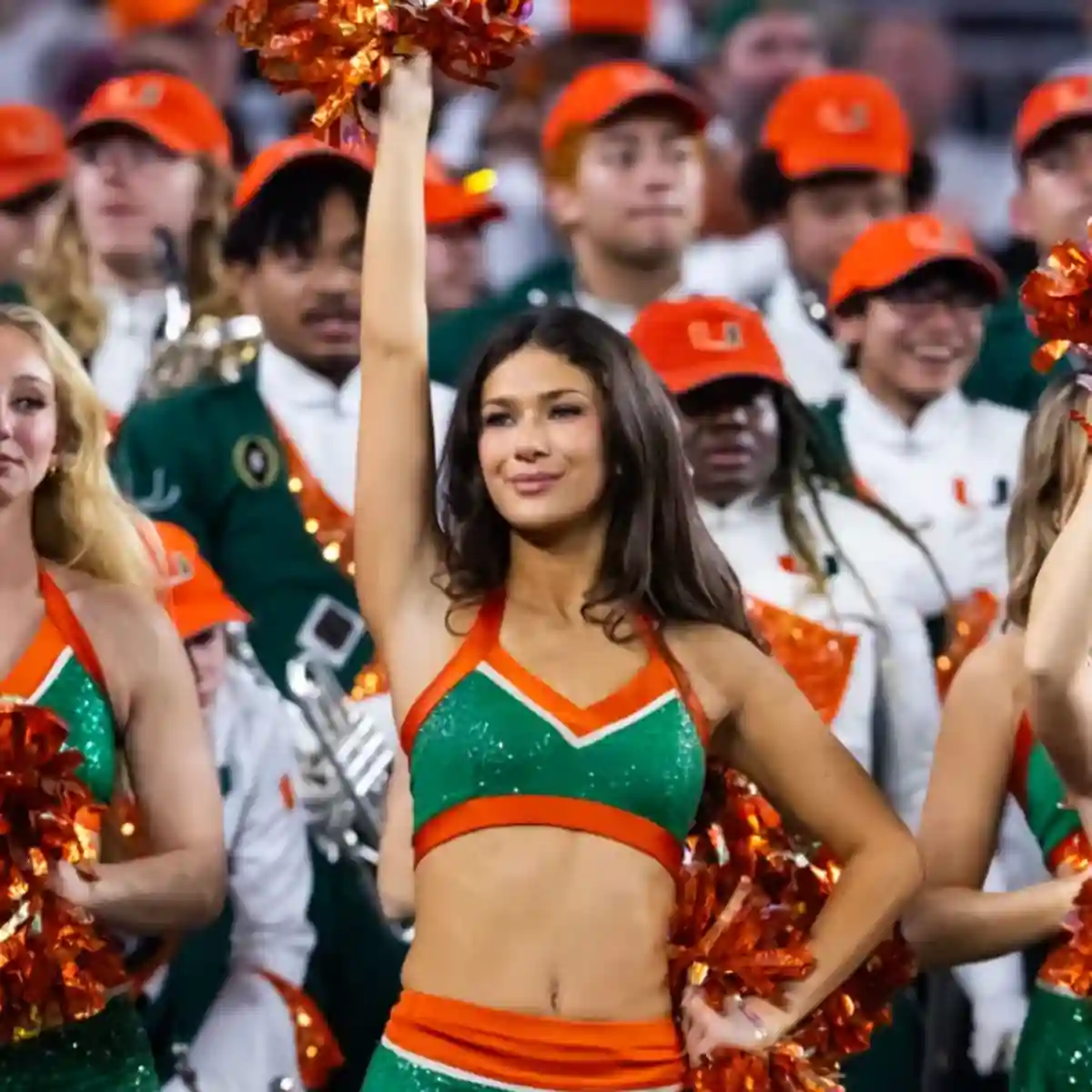
Cignetti received the strongest support after guiding Indiana to a 16-0 season in 2025. The Hoosiers defeated Miami 27-21 in the College Football Playoff National Championship on January 19, 2026, at Hard Rock Stadium in Miami Gardens, Florida.
Why Curt Cignetti ranks ahead of Kirby Smart
Cignetti’s selection reflects both Indiana’s championship and the scale of the rebuilding job. The Hoosiers are 27-2 overall and 17-1 in Big Ten regular-season play through his first two years in Bloomington.
His first Indiana team reached the College Football Playoff in 2024. One season later, the Hoosiers won the Big Ten championship and completed a perfect campaign by beating Miami for the first football national title in university history.
The 64-year-old coach arrived with a record of sustained success outside the traditional national spotlight. He produced winning programs at Indiana University of Pennsylvania, Elon and James Madison, where he managed the Dukes’ transition from the Football Championship Subdivision to the Football Bowl Subdivision.
Indiana’s title run included a commanding semifinal victory over Oregon before the championship game in Florida. The decisive moments from the Indiana–Oregon Peach Bowl semifinal showed how Cignetti’s team handled playoff pressure against an established Big Ten contender.
The Hoosiers then defeated Miami 27-21 on January 19, completing their perfect season. A detailed account of Indiana’s historic national championship victory explains the milestones behind the program’s rapid transformation.
Smart remains close behind after building Georgia into a consistent SEC and national contender. He has won two national championships, while the Bulldogs have secured consecutive SEC titles. His move to second reflects Indiana’s exceptional rise rather than a significant decline at Georgia.
Top 25 college football coaches entering 2026
- Curt Cignetti, Indiana
- Kirby Smart, Georgia
- Ryan Day, Ohio State
- Marcus Freeman, Notre Dame
- Dan Lanning, Oregon
- Lane Kiffin, LSU
- Mario Cristobal, Miami
- Steve Sarkisian, Texas
- Kalen DeBoer, Alabama
- Dabo Swinney, Clemson
- Kalani Sitake, BYU
- Kyle Whittingham, Michigan
- Mike Elko, Texas A&M
- James Franklin, Virginia Tech
- Matt Campbell, Penn State
- Kirk Ferentz, Iowa
- Jeff Brohm, Louisville
- Kenny Dillingham, Arizona State
- Lincoln Riley, USC
- Willie Fritz, Houston
- Rhett Lashlee, SMU
- Jon Sumrall, Florida
- Clark Lea, Vanderbilt
- Josh Heupel, Tennessee
- Sonny Dykes, TCU
The biggest changes in the ranking
Cignetti made the largest move near the top, climbing from No. 13 in the previous ESPN ranking to first. Miami’s Mario Cristobal rose from No. 25 to No. 7 after taking the Hurricanes to the national championship game.
Marcus Freeman moved from seventh to fourth. Notre Dame reached the national championship game following the 2024 season and remained a 10-win team in 2025, strengthening his reputation for recruiting and developing talent.
Kalani Sitake climbed after guiding BYU to consecutive 11-win seasons. Mike Elko, Kenny Dillingham, Willie Fritz, Jon Sumrall, Clark Lea and Sonny Dykes entered the top 25 after being unranked in the previous edition.
Dabo Swinney fell from third to 10th after Clemson finished 7-6 in 2025. His two national championships keep him among the leading active coaches, but the Tigers’ 26-14 record over the past three seasons has increased scrutiny around their recent direction.
Josh Heupel dropped seven positions after Tennessee dealt with offensive inconsistency and significant roster turnover. Lincoln Riley remains under similar pressure at USC after the Trojans averaged five losses across the previous three seasons.
New jobs create major tests in 2026
Several ranked coaches will enter the season at new schools. Lane Kiffin takes charge at LSU after going 55-19 at Ole Miss, while Kyle Whittingham begins his first season at Michigan following 21 years as Utah’s head coach.
James Franklin has moved from Penn State to Virginia Tech. Matt Campbell replaces him in State College after leaving Iowa State, and Jon Sumrall takes over at Florida following his tenure at Tulane.
Those moves make the ranking more volatile because past success does not guarantee an immediate fit. Kiffin and Whittingham will face national-title expectations, while Franklin and Campbell must establish new systems at programs that changed leadership after disappointing seasons.
Latest development strengthens Indiana’s recruiting position
Indiana’s championship is beginning to influence recruiting as well as coaching evaluations. On July 17, 2026, highly rated Indianapolis wide receiver Monshun Sales announced his commitment to the Hoosiers’ 2027 recruiting class.
The commitment is not binding until Sales signs with Indiana, but it demonstrates how Cignetti’s success has changed the program’s ability to compete for prominent high school prospects. Maintaining that momentum will be central to his next challenge.
Read More:
- Pink drinks at Starbucks and Dunkin’: Summer 2026 menu highlights
- Buffalo Wild Wings Poppin’ Ranch launch: Price, release date and details
- Visit the Swikblog homepage for more latest news
Indiana will begin the 2026 season as the defending champion rather than an overlooked contender. Cignetti must replace departed contributors, manage greater expectations and show that the Hoosiers can remain near the top while Georgia, Ohio State, Notre Dame and Oregon pursue the same championship.

Make Swikblog your go-to source on Google for reliable updates, smart insights, and daily trends.