
Country music star Martina McBride withdrew from the Great American State Fair in Washington, D.C., saying the event presented to her as a nonpartisan celebration of the United States had become something different from what she initially agreed to support.
McBride had been scheduled to perform on June 25 as part of the Freedom 250 festivities marking America’s 250th anniversary. Her departure added to a rapid series of artist withdrawals and raised questions about how the concert lineup was assembled, what performers were told and whether the celebration could remain separate from partisan politics.
Why Martina McBride Left the Event
McBride addressed the controversy in a social media statement after her name appeared on the announced lineup. She said she had asked detailed questions before accepting the booking and had been assured that the fair would celebrate all 50 states without favoring a political party.
The singer explained that she viewed the event as a larger version of the state fairs she had played throughout her career: a community-focused gathering where music could bring people together. She said that understanding changed after the lineup became public and additional details surrounding the event emerged.
McBride then confirmed she would not perform, describing the original presentation as misleading. She also reassured listeners that her decision reflected the values expressed throughout her career, particularly in songs dealing with the experiences and struggles of ordinary people.
The withdrawal was significant because McBride is one of country music’s most established performers. Her public explanation also shifted attention beyond individual political opinions to a broader issue: whether artists had received enough information before their participation was announced.
Bret Michaels and Other Artists Also Withdrew
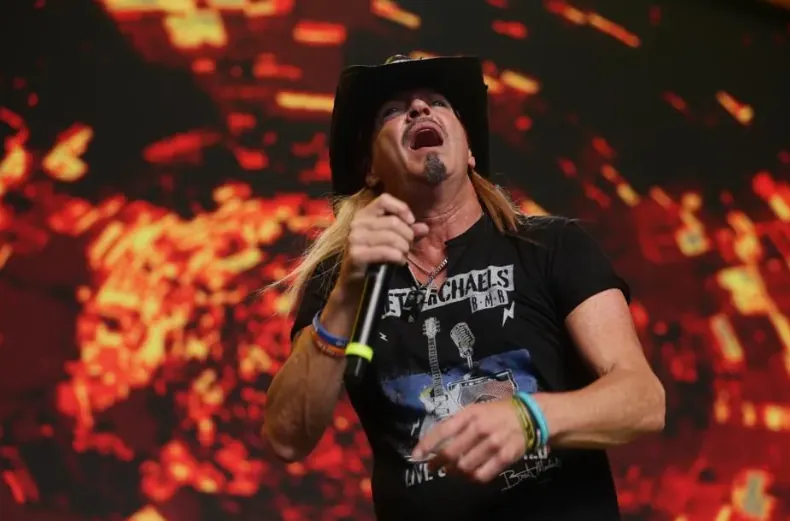
Poison frontman Bret Michaels subsequently pulled out of the concert series. Michaels said what had been presented as a national celebration had developed into something more divisive than the event he agreed to join.
He also disclosed that threats had been directed at him, his family, his band and crew. Michaels said personal safety had to take priority, while emphasizing that he remained committed to using music to promote unity.
Young MC said performers were not initially informed about political involvement connected to the event. The Commodores stated that their music was their voice and that they did not want to affiliate publicly with a single political party.
Morris Day and The Time also rejected reports that they would participate. Representatives associated with Milli Vanilli disputed the group’s inclusion, initially saying they had not been contacted about performing. Fab Morvan later confirmed that he would not take part.
C+C Music Factory was also reported among the acts that stepped away. Together, the departures turned what began as a celebratory lineup announcement into a dispute over artist consent, political branding and communication between performers and organizers.
What the Great American State Fair Was Planned to Include
The Great American State Fair was announced as a 16-day event scheduled for June 25 through July 10 on the National Mall in Washington. Plans included live music, exhibits representing the states, military tributes, movie screenings and large public attractions, including a 100-foot Ferris wheel.
The festival formed part of the wider Freedom 250 program commemorating the 250th anniversary of the signing of the Declaration of Independence. Organizers described the initiative as an attempt to unite Americans around the country’s history and national milestone.
A Freedom 250 representative maintained that the organization and its events were nonpartisan. However, that assurance did not prevent performers from leaving after concerns emerged about the celebration’s political associations.
Read More
Vanilla Ice Defended His Decision to Perform
Not every announced artist withdrew. Vanilla Ice defended his involvement and said he viewed the occasion as a celebration of America’s birthday rather than an endorsement of a political party. He argued that music should bring people together and said he performs for fans regardless of their political beliefs.
Flo Rida was also included in the original lineup, although the status of individual performers continued to attract attention as the controversy developed.
The episode shows how quickly a major public celebration can face difficulties when artists, organizers and audiences have different understandings of its purpose. For McBride and several other performers, the decisive issue was not the anniversary itself but whether the event they agreed to join matched the event ultimately presented to the public.
More information about the national commemoration is available through the official America250 website. Readers interested in other major music stories can also explore Billy Idol’s AMA Lifetime Achievement Award recognition.

Make Swikblog your go-to source on Google for reliable updates, smart insights, and daily trends.