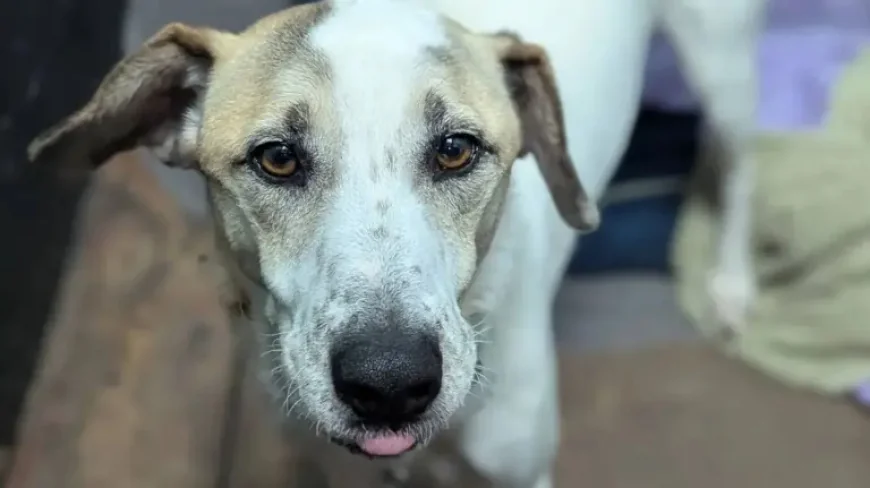

There are some rescue stories that sound uplifting at first and then leave a much heavier feeling once the details settle in. Ralph’s is one of them. After spending years at Oakwood Dog Rescue, the elderly dog finally appeared to be getting the fresh start volunteers had hoped for. Instead, the adoption ended almost as soon as it began. Just 12 days after being rehomed, Ralph was back in kennels, and for the team that has spent years helping him rebuild trust, the setback was crushing.
What makes Ralph’s case so striking is not only the short-lived adoption. It is the amount of time, care and patience that came before it. Ralph first arrived at Oakwood Dog Rescue in 2021 as a frightened six-year-old after being brought over from shelters in Romania. By then, the damage from his early life had already been done. He had lived through instability, fear and survival conditions that left him deeply anxious. Even after reaching the UK, he did not transform overnight into an easy family pet. He became the kind of dog rescue workers know well: affectionate underneath, but emotionally fragile and slow to trust.
Years passed, and Ralph remained at the centre longer than any other dog in Oakwood’s care. That fact alone explains why his story has resonated so widely. Long-stay rescue dogs often become symbols of both hope and heartbreak inside a shelter. Staff and volunteers come to know every habit, every breakthrough and every setback. Ralph was not simply waiting in the background. He became one of the rescue’s most familiar faces, a dog workers described as a “lovable, cheeky gentleman” despite the anxiety that continued to shape much of his behaviour.
His progress came in the quietest way possible. For a long period, Ralph was too frightened to walk on a lead. That may sound like a small issue to anyone used to confident pets, but for a dog carrying years of fear, it was a major barrier. Eventually, after staff tried a different harness, Ralph took his first walk and loved it. That milestone mattered because it represented something bigger than exercise. It showed that, with the right support, he could move beyond the fear that once defined every new experience.
There were other signs of that progress too. On his 11th birthday, volunteers arranged a special outing to a secure dog field where he could run around freely, take in new smells and spend time away from the kennel environment. It was the kind of simple, carefully planned joy that rescue dogs do not always get to experience. He was able to explore, relax and enjoy the company of the people who had spent years helping him feel safe. Moments like that matter because they reveal the dog beyond the label of “anxious” or “hard to rehome”. They show personality, comfort and trust slowly taking shape.
Why Ralph’s return says more than one sad adoption story
That is why his return after just 12 days landed so heavily. The reason given was his anxious behaviour, but the deeper issue is what that reason suggests. A dog like Ralph does not enter a new home ready-made for an easy transition. He needs time to decompress, learn a routine and understand that he is no longer in a temporary place. In many rescue cases, the first few days are the least reliable guide to what a dog will be like once settled. Fear can make animals withdrawn, unsettled, clingy or reactive. Those behaviours can improve, but rarely on a rapid timeline.
Ralph’s story is a reminder that rehoming a rescue dog is not just about good intentions. It is about preparation, patience and realistic expectations. Dogs with traumatic backgrounds often need adopters who understand that trust develops in stages. Progress may be slow, inconsistent and sometimes invisible to outsiders. A nervous dog is not failing because it does not settle immediately. In many cases, it is simply behaving exactly as its past has taught it to behave.
That is also why rescue teams speak so often about finding the right home rather than just any home. Ralph has made some canine friends during his years at the kennels, but staff believe he would be happiest in a household without other pets because he prefers having his people to himself. That detail matters. It points to the kind of match he needs: calm, understanding and tailored to his personality rather than driven by sympathy alone. He does not need a household looking for a quick success story. He needs one willing to accept that building confidence may take months, not days.
The emotional cost of a failed adoption is often underestimated. For rescue centres, it means more than rearranging kennels or reposting a dog’s profile. It means trying to protect an animal from the knock-back of another disrupted bond. For volunteers, it can feel like watching years of effort become vulnerable all over again. For the dog, it may reinforce the same uncertainty rescuers have been trying to undo from the start.
At the same time, Ralph’s story has clearly touched people. Responses to his rehoming posts have been filled with sadness and disbelief, with many calling him beautiful and hoping he finds his people soon. That reaction shows that his appeal is not the problem. The challenge is that compassion alone does not guarantee commitment. Older rescue dogs, especially those with emotional baggage, often attract public sympathy more easily than practical offers of the kind of home they truly need.
Still waiting, but not without hope
For all the heartbreak in this story, Ralph is not being presented by the rescue as a hopeless case. Quite the opposite. The fact that he learned to enjoy walks, bonded with volunteers and found joy in experiences outside the kennel shows he is capable of more. His next chapter depends less on whether someone notices him and more on whether the right person understands what adopting him would actually involve.
That is what makes his story bigger than one failed placement. It reflects a wider truth about rescue work in the UK and beyond. Some dogs are easy to place because their needs fit neatly into everyday family life. Others, like Ralph, require adopters to slow down, adjust expectations and accept a different pace of progress. Those dogs are often the ones who wait the longest, even though they may also be the ones who need stability the most.
For now, Ralph remains at Oakwood Dog Rescue, still hoping for the kind of home that lasts longer than a hopeful beginning. After years in care, one brief adoption and another painful return, his future rests on whether someone is prepared to offer not just affection, but the patience, time and steadiness he has needed all along.
Experts also note that rescue dogs with traumatic backgrounds need structured adjustment periods, something highlighted in adoption guidance by the RSPCA, which emphasizes patience and gradual settling for long-term success.
For more stories on rescue pets, adoption challenges and animal welfare, visit our pets section.

Make Swikblog your go-to source on Google for reliable updates, smart insights, and daily trends.