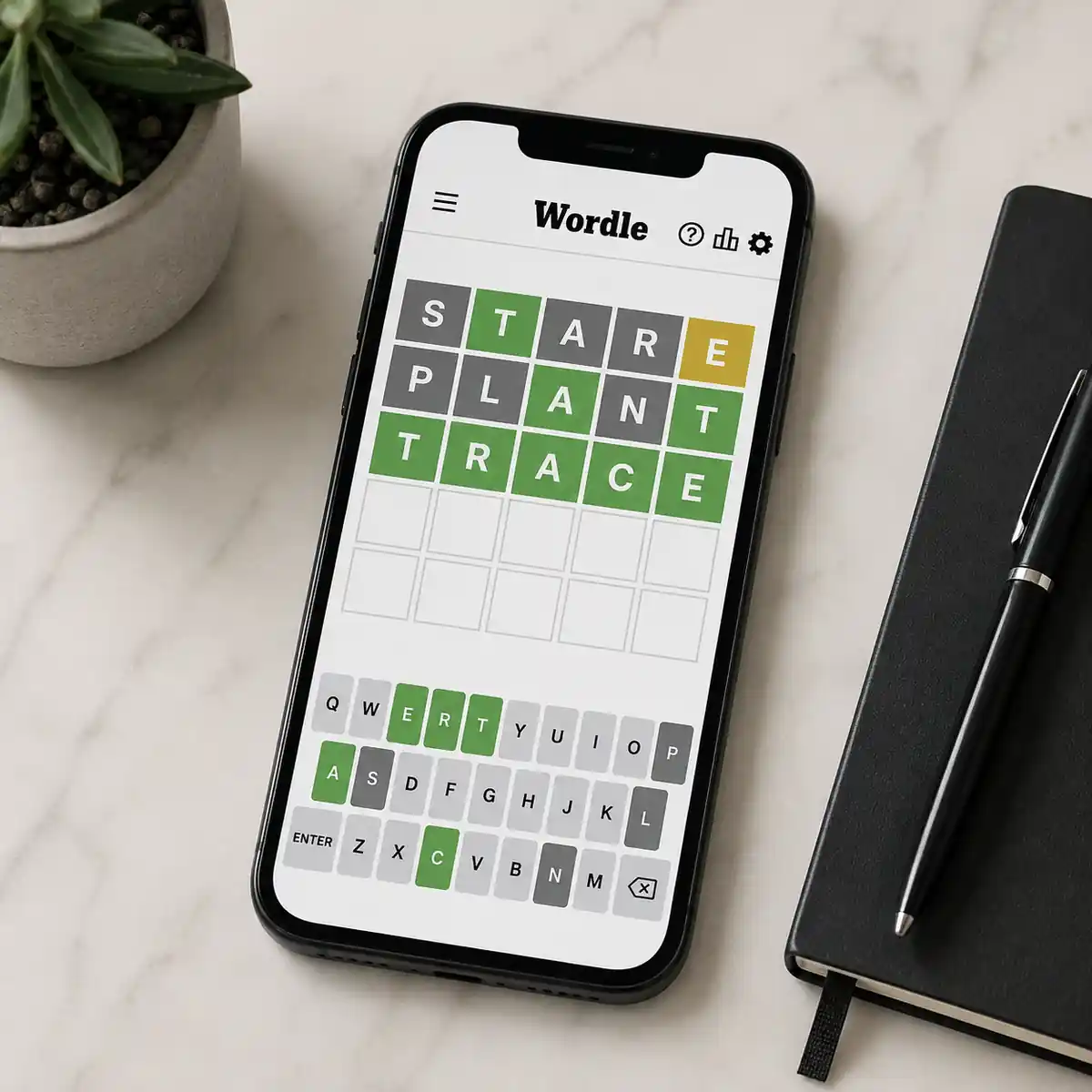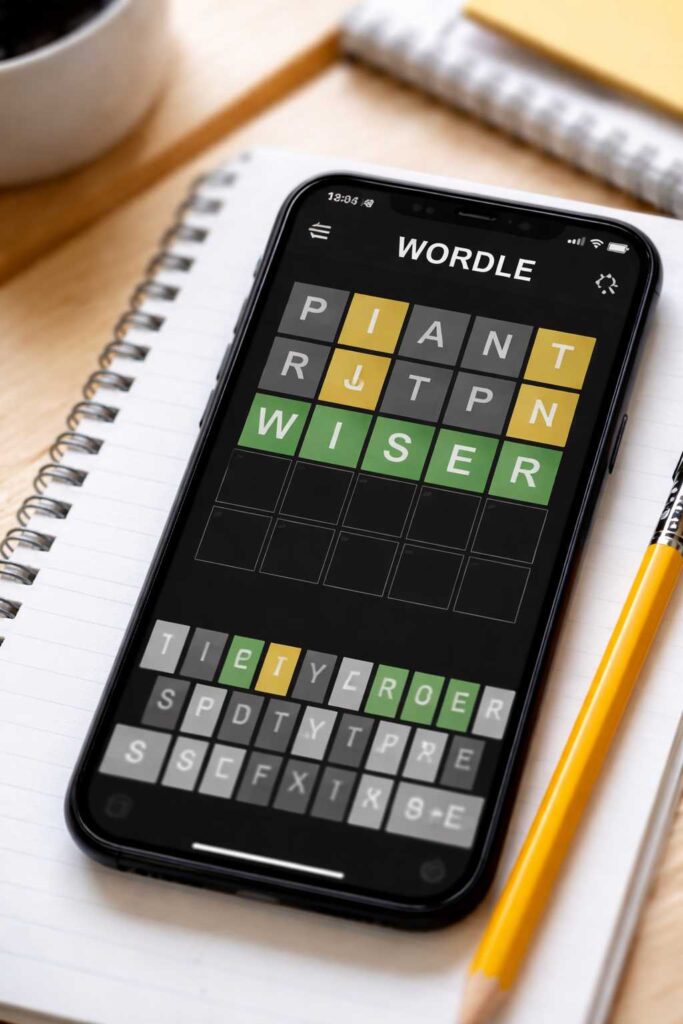

Looking for the most recent Wordle answer? Today’s Wordle puzzle for May 21, #1797, includes a heavy vowel pattern and a repeated letter that can easily throw players off early in the game. At first glance, the final answer appears extremely simple because it is a very common everyday English word, but many players may struggle because duplicate vowels are often ignored during opening guesses.
Today’s Wordle Strategy Tip: If you suspect a puzzle feels “too simple,” start considering repeated vowels early. Many Wordle players unconsciously rule out duplicate letters, especially vowels, which can delay solving very common words like today’s answer.
Today’s Wordle Hints
• Today’s Wordle answer contains one repeated letter
• The puzzle includes two vowels, but one of those vowels appears twice in the word
• The answer starts with the letter A
• The word is extremely common in daily conversations, discussions, arguments, meetings, debates, teamwork, negotiations, relationships, and decision-making situations
Practice Wordle
Try solving this bonus practice puzzle inspired by today’s “agreement, approval, acceptance, shared understanding, cooperation, teamwork, and matching opinions” Wordle theme.
Today’s Wordle Answer for May 21, #1797 is: AGREE
“Agree” is a very common English verb used when two or more people share the same opinion, support the same idea, accept a statement, approve a proposal, or reach a common understanding during a conversation or discussion.
The word appears constantly in everyday communication, whether during casual conversations, debates, workplace meetings, negotiations, friendships, relationships, or online discussions.
Today’s challenge becomes tricky mainly because of the repeated “E.” Many Wordle players naturally avoid duplicate vowels while narrowing possibilities, which can make a simple and familiar word feel much harder than expected.
If you solved today’s puzzle quickly, your vowel strategy likely helped significantly. Players who focused heavily on consonants early may have needed additional guesses before spotting the duplicate vowel pattern.

Make Swikblog your go-to source on Google for reliable updates, smart insights, and daily trends.