
Restaurant customers are becoming harder to impress in 2026, and the message from diners is clear: higher prices are acceptable only when the food still feels worth it. Across fast-casual and fast-food chains, complaints are growing over smaller portions, weaker consistency and meals that no longer feel like the value customers remember.
Chipotle has become one of the most talked-about examples of that shift. The chain once stood out for large burritos, customizable bowls and a fresh-food image that helped it build a loyal national following. But many diners now say the experience has changed, with portion sizes and value becoming the biggest flashpoints.
The criticism comes at a difficult time for the company. Chipotle’s latest annual performance showed that comparable restaurant sales weakened, a sign that existing locations are feeling pressure from cautious consumers. In its official 2025 financial results, Chipotle reported softer comparable sales even as total revenue continued to grow from new restaurant openings.
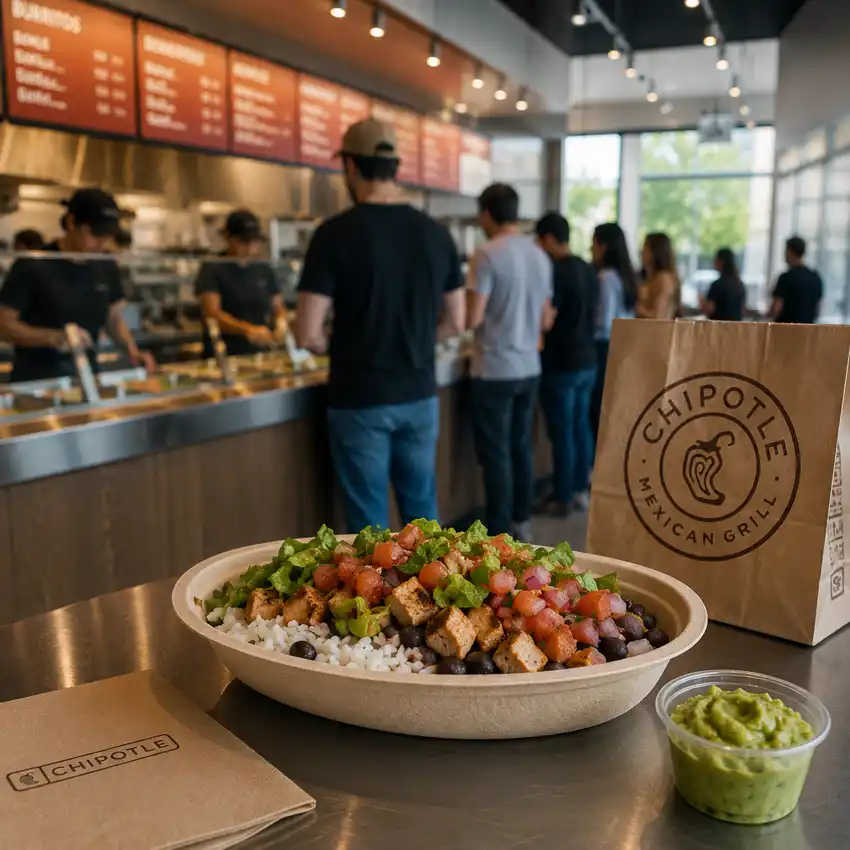
For customers, the frustration is more personal than corporate numbers. Many diners say they are paying more for bowls and burritos that appear less generous than before. Online discussions have focused heavily on protein portions, with customers accusing the chain of serving smaller scoops while menu prices keep rising.
That kind of complaint can be damaging for a brand like Chipotle because the serving process is visible. Customers watch each scoop go into their bowl, which makes portion consistency a key part of the experience. When one location feels generous and another feels restrictive, customers begin to question whether the price is fair.
Chipotle executives have acknowledged that diners are paying closer attention to value and quality. CEO Scott Boatwright has also said the company’s core customer base skews toward higher-income guests, with a large share earning more than $100,000 a year. But even that group appears more selective now, as inflation and higher restaurant prices have changed how people judge everyday meals.
The company is trying to answer those concerns by improving consistency and leaning into protein-focused menu items. Its high-protein bowls are designed for customers who want cleaner ingredients, bigger nutrition claims and meals that fit fitness-focused eating habits. One promoted bowl includes double chicken and a very high protein count, giving the chain a way to market value through nutrition rather than discounts.
Still, menu innovation alone may not be enough. Customers who feel shortchanged are usually not asking for a new limited-time item. They want the original promise restored: a filling bowl, reliable portions and food that feels fresh every visit.
Why Some Chains Are Still Winning Diners
While Chipotle faces criticism, several fried chicken chains continue to receive strong praise from customers. Chick-fil-A, Popeyes, Jollibee, Guthrie’s and Lee’s Famous Recipe Chicken are often mentioned by diners for delivering meals that feel satisfying and distinctive.
Chick-fil-A remains known for consistency, service and chicken sandwiches that customers trust. Popeyes continues to win fans with bold seasoning and crispy fried chicken, even when service reviews vary by location. Jollibee has built a loyal following in the U.S. with its Chickenjoy, unique sides and peach mango pie, giving diners something different from the usual fast-food chicken order.
Read More
That contrast shows what customers are rewarding right now. They are not simply choosing the cheapest restaurant. They are choosing places where the food feels dependable, flavorful and worth the price. When a chain delivers that consistently, customers are more willing to accept higher costs.
Some diners are also becoming more strategic with their orders. At Chipotle, customers have pointed to the kids meal as a lower-cost workaround, saying it can offer better value than a full-size entrée for lighter appetites. That trend says a lot about the current restaurant market: diners are still visiting big chains, but they are looking harder for ways to avoid feeling overcharged.
The same value conversation is playing out across the broader dining industry. Chains with clear portion value and strong customer loyalty are gaining attention, while brands seen as inconsistent are facing more criticism. Swikblog recently covered another restaurant brand benefiting from strong consumer demand in this report on Texas Roadhouse opening new Texas locations in 2026.
Chipotle still has major strengths, including brand recognition, thousands of restaurants and a menu format that fits modern eating habits. But the current backlash shows that loyalty has limits. If customers believe portions are shrinking while prices rise, they will compare every order with competitors that feel more generous.
In 2026, restaurant chains are being judged less by reputation and more by the meal in front of the customer. For Chipotle and others facing similar criticism, the path forward is not complicated: serve consistent portions, protect food quality and make diners feel they received what they paid for.

Make Swikblog your go-to source on Google for reliable updates, smart insights, and daily trends.