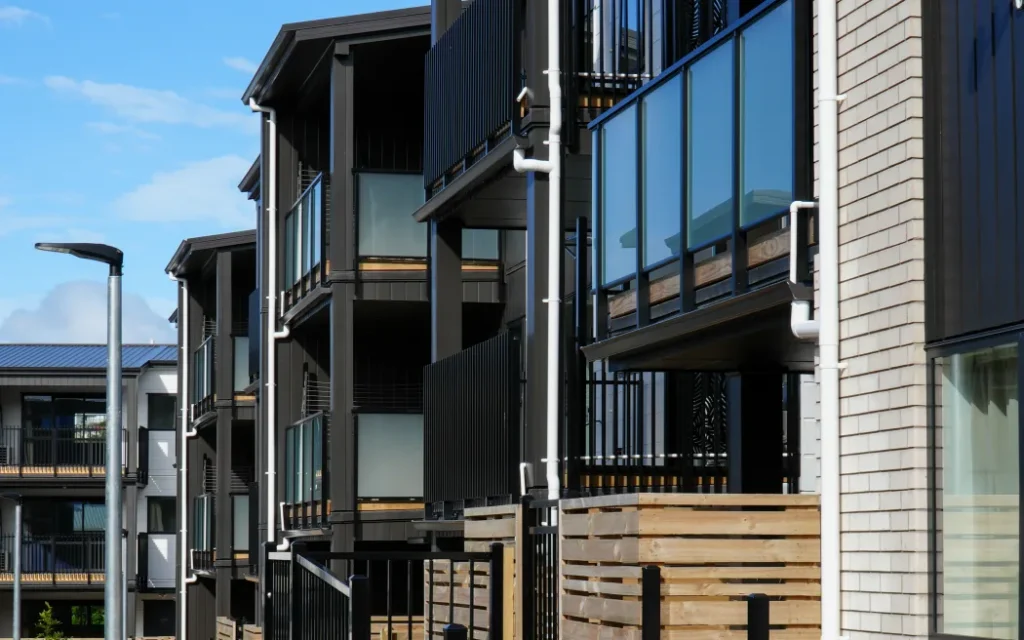

Hundreds of people who once faced housing uncertainty are now settling into permanent homes following the completion of a major $75 million Kāinga Ora housing development in Whangārei. The Kauika Road project, which has officially reached completion this week, is being recognised as the largest social housing development delivered in regional New Zealand and is expected to provide housing for more than 320 residents.
The development consists of 95 homes, including apartments and standalone houses, created primarily to address growing demand for one- and two-bedroom accommodation in Whangārei. For many of the new residents, the move represents a life-changing shift from emergency accommodation, transitional housing, overcrowded living arrangements, cars and even tents into secure, long-term homes.
Housing remains one of the most pressing challenges facing many New Zealand communities, and the completion of this project highlights the impact targeted developments can have on families struggling to find stable accommodation.
A development designed around community needs
The Kauika Road housing community was delivered in stages over a three-year period. The first residents moved into completed homes in September 2025, while the final 39 homes were finished this week, bringing the entire project to completion.
Unlike traditional housing developments that focus solely on accommodation, the Whangārei project was designed to create a sense of community. Residents have access to a community centre, a communal garden and a dedicated children’s play area, providing spaces where neighbours can connect and families can build support networks.
Accessibility was also a key consideration during planning and construction. Fourteen ground-floor homes have been specifically designed for people with physical disabilities or mobility challenges, helping ensure the development meets the needs of a broad range of residents.
The location was selected to provide convenient access to schools, healthcare facilities, shops and public transport. This proximity can significantly reduce transport costs for households already facing financial pressure while improving access to essential services.
From temporary accommodation to housing stability
Among the new residents is Tamati Herewini-Murray and his two-year-old whāngai son, Ngawati. Before receiving their apartment, the pair shared a rented room within an overcrowded house. Moving into a dedicated two-bedroom home provides something they had previously lacked: stability.
For families in similar situations, secure housing often delivers benefits beyond shelter. Consistent accommodation can improve children’s health, support better school attendance and allow parents to focus on employment opportunities and long-term financial planning.
The energy-efficient homes are also expected to help reduce household costs through lower heating and power requirements. With living costs remaining elevated across New Zealand, even modest weekly savings can make a meaningful difference for lower-income families.
Housing demand remains significant
Despite the completion of the project, demand for public housing in Whangārei remains high. There are currently 646 people on the district’s state housing waiting list, including 509 applicants specifically seeking one- or two-bedroom homes.
The new development adds to a broader expansion of state housing in the region. More than 300 new Kāinga Ora homes have been delivered across Whangārei during the past three years, with another 59 homes either contracted or under construction.
However, the future pace of development remains uncertain following major changes to Kāinga Ora’s operating model. A government review led by former Prime Minister Sir Bill English criticised the agency’s rising debt levels and development costs. Following the review, around 40 housing projects across Northland, representing approximately 450 planned homes, were cancelled or placed on hold.
Projects in locations including Ruakākā, Kerikeri, Kaikohe, Kawakawa and Dargaville were among those affected. While some developments continue to move forward, future projects face stricter financial requirements than those that applied when the Kauika Road community was first approved.
The importance of increasing housing supply continues to be a major topic across the New Zealand housing market, particularly as affordability challenges persist for renters and lower-income households.
The Kauika Road development was designed by Phoenix Properties and built by Loveridge Builders, with around 120 tradespeople contributing during construction. Local hapū Te Parawhau also played a significant role throughout the project’s development.
Read More
While wider housing challenges remain, the completion of the Whangārei community provides a tangible example of how large-scale housing investment can create lasting change. For hundreds of residents now moving into permanent accommodation, it marks the beginning of a more secure and stable future.
Source: RNZ

Make Swikblog your go-to source on Google for reliable updates, smart insights, and daily trends.