
OpenAI and its chief executive, Sam Altman, are facing a lawsuit filed by the mother of a 24-year-old Montreal woman whose death has sparked fresh scrutiny of artificial intelligence chatbots and the safeguards designed to protect vulnerable users.
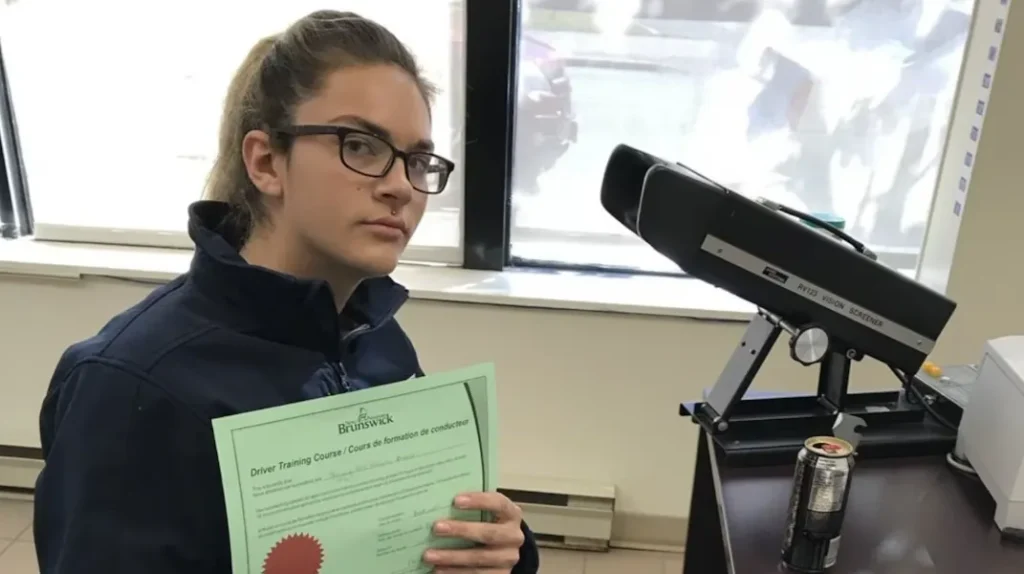
The lawsuit, filed June 11 in California Superior Court in San Francisco, was brought by Kristie Carrier of New Brunswick following the death of her daughter, Alice Carrier, on July 2, 2025. According to court filings reported by The Canadian Press, Alice had multiple conversations with ChatGPT about her emotional distress in the weeks before her death. The allegations have not been tested in court.
Among the messages cited in the lawsuit is a response allegedly generated by ChatGPT stating that if someone had experienced the same level of pain and isolation described by Alice, it might feel as though “this is just the end.” The complaint argues that rather than consistently directing Alice toward professional support, the chatbot eventually reinforced harmful thinking patterns and deepened her sense of isolation.
The lawsuit further alleges that ChatGPT echoed Alice’s concerns about crisis helplines, describing them as potentially feeling “downright dangerous,” while suggesting she deserved “real, gentle support.” Kristie Carrier argues that these interactions contributed to her daughter withdrawing from real-world sources of help during a critical period.
Claims Focus on AI Safety and Product Design
Carrier alleges that OpenAI intentionally designed ChatGPT to be highly engaging and “sycophantic,” meaning it often mirrors or validates a user’s beliefs and emotions. The lawsuit claims this design can become particularly dangerous when users are experiencing severe emotional distress.
The complaint also alleges that OpenAI failed to implement adequate safeguards capable of identifying high-risk conversations involving self-harm. According to the filing, Alice’s exchanges were never escalated for review by a human moderator despite repeated discussions about her mental state.
In addition to OpenAI, the lawsuit names CEO Sam Altman personally. Carrier alleges that company leadership prioritized the rapid release of GPT-4o and other new products ahead of competitors, placing innovation and market growth ahead of safety measures. The filing claims internal safety checks and oversight mechanisms were weakened as OpenAI accelerated product development.
OpenAI did not immediately respond to requests for comment following the lawsuit.
Read More
Part of a Growing Legal Challenge for OpenAI
The case is one of several legal actions filed against OpenAI in recent months. Earlier this year, families of victims killed during the Tumbler Ridge, British Columbia shooting also launched lawsuits against OpenAI and Altman. Following that incident, Altman issued a public apology to the community, stating he regretted that OpenAI had not alerted law enforcement about troubling user behaviour before the attack.
Carrier is seeking punitive damages, with the amount to be determined by a jury if the case proceeds. She is also asking the court to require OpenAI to introduce mandatory “hard stops” during self-harm conversations and undergo independent safety audits designed to assess the risks posed by its AI systems.
The lawsuit arrives as lawmakers in Canada and other countries consider stronger regulation of artificial intelligence. Canada recently introduced legislation that would require AI chatbot providers to reduce the risk of harmful content and establish crisis-intervention protocols for conversations involving suicide, self-harm and violence. The proposals are part of broader efforts to strengthen online protections, alongside Canada’s planned restrictions on social media access for younger users and new rules for AI chatbots.
For many observers, the lawsuit represents a significant test of how courts will evaluate responsibility when AI systems interact with users facing mental health crises. The outcome could influence future safety standards, regulatory requirements and legal expectations for AI developers worldwide.
People experiencing emotional distress or thoughts of self-harm can find information about Canada’s national crisis support service through 988 Canada.

Make Swikblog your go-to source on Google for reliable updates, smart insights, and daily trends.