
updated: July 4, 2026
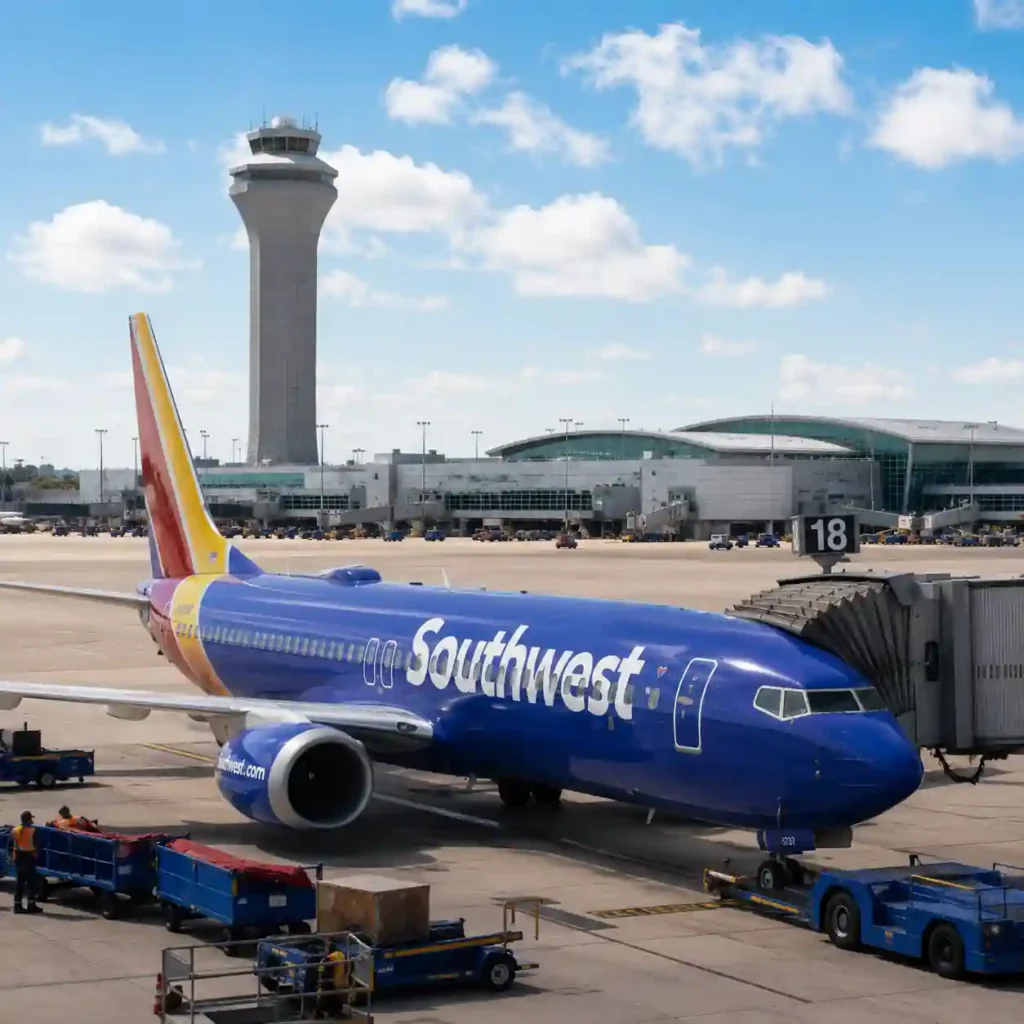
Southwest Airlines has confirmed a significant adjustment to its Summer 2026 schedule from St. Louis Lambert International Airport (STL), with seven nonstop routes no longer operating during the peak July-to-September travel period. While the change reduces direct flight options for some passengers, the airline says it remains committed to St. Louis and is redirecting aircraft to markets where demand is stronger and operations are expected to generate better returns.
The schedule revision reflects a broader network strategy rather than a withdrawal from Missouri. Southwest continues to operate dozens of destinations from St. Louis and remains the airport’s largest airline by available seats.
Seven nonstop routes removed from St. Louis
The following nonstop services are no longer scheduled from St. Louis for the third quarter of 2026:
- Des Moines, Iowa (DSM)
- Little Rock, Arkansas (LIT)
- Long Beach, California (LGB)
- Oklahoma City, Oklahoma (OKC)
- San Jose, California (SJC)
- Tulsa, Oklahoma (TUL)
- Wichita, Kansas (ICT)
These routes were available during the same summer period a year ago but have been removed from this year’s schedule as Southwest reshapes its domestic network.
Southwest says customers still have travel options
Although the nonstop flights are ending, Southwest says passengers can still reach many of these destinations through one-stop itineraries using other cities in its network.
The airline has highlighted new connections through airports including Chicago Midway, Dallas Love Field and Nashville, allowing travelers from St. Louis to continue reaching several of the affected destinations without switching airlines.
St. Louis remains one of Southwest’s largest operations
Despite the reductions, St. Louis continues to play an important role in Southwest’s network. Industry schedule data indicate the carrier will still operate roughly 3.2 million two-way seats from the airport during the third quarter of 2026.
Its share of total airport capacity is expected to ease from about 65% to approximately 61%, while Southwest will continue serving around 53 destinations from the airport.
Why Southwest is trimming routes
The changes are part of Southwest’s continuing effort to improve aircraft utilization and focus on routes that produce stronger financial performance. Like other major U.S. airlines, the carrier regularly reviews passenger demand, operating costs and aircraft availability before each seasonal schedule.
Instead of spreading aircraft across lower-demand markets, Southwest is concentrating capacity where bookings and yields are expected to be stronger. Industry analysts have also linked some of the capacity shift to the airline’s growing presence at Nashville International Airport.
What the changes mean for travelers
Passengers who previously relied on nonstop service from St. Louis to the seven affected cities should expect additional connections or alternative routing options. Travelers with existing reservations are encouraged to review their itinerary through Southwest, as some bookings may have been automatically rebooked onto connecting flights.
Booking early may also provide more flexibility when comparing schedules with other airlines serving the same destinations.
Part of a broader network adjustment
The St. Louis schedule changes are not an isolated move. Over recent months, Southwest has continued refining its network by reducing service in some markets while expanding or adding flights in others. The airline says these decisions are intended to better match capacity with customer demand rather than reduce its overall presence across the United States.
Passengers planning future trips may also find this guide to Sydney Airport’s lost property auction useful when preparing for upcoming travel.
Read More
What investors may be watching
For investors following Southwest Airlines (NYSE: LUV), the schedule adjustment highlights management’s focus on improving efficiency rather than simply maintaining route numbers. Moving aircraft from lower-performing routes to stronger markets can help improve revenue per flight and make better use of available fleet capacity, although reduced nonstop service could create additional competition on some city pairs.
Southwest’s St. Louis network at a glance
| Category | Summer 2026 |
|---|---|
| Routes discontinued | 7 nonstop routes |
| Estimated two-way seats | Around 3.2 million |
| Airport capacity share | About 61% |
| Routes remaining | Approximately 53 |
Even with fewer nonstop destinations, Southwest continues to be the dominant airline at St. Louis Lambert International Airport. The latest schedule reflects a more targeted approach to network planning, with aircraft being deployed where the airline believes they can deliver the strongest long-term performance.
Official source: Current schedules and booking updates are available through the Southwest Airlines website.

Make Swikblog your go-to source on Google for reliable updates, smart insights, and daily trends.