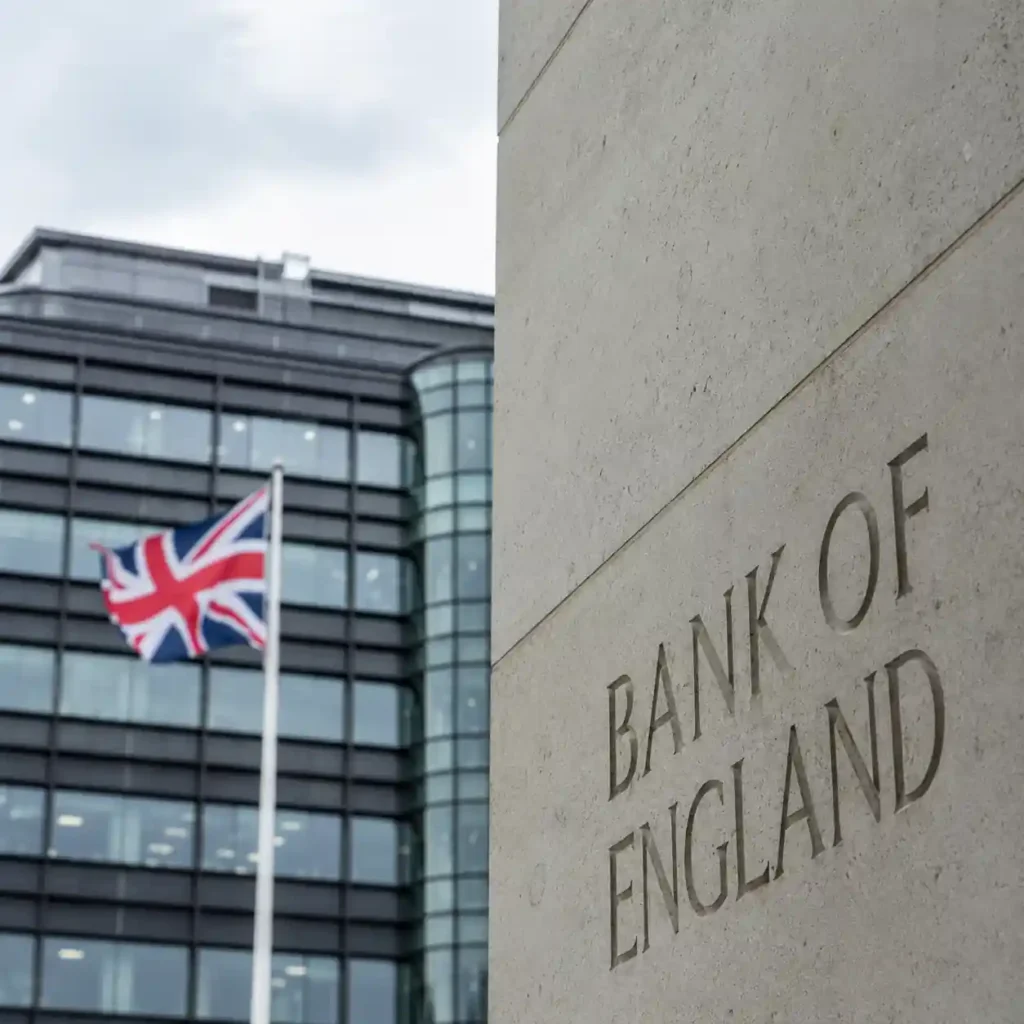

The UK has brought Microsoft, Google Cloud, Amazon Web Services and Oracle under direct financial-sector oversight, marking a major change in how Britain manages the technology risks behind banking, insurance and payment services.
HM Treasury has designated the four global technology companies as Critical Third Parties, or CTPs, because disruption to their services could affect several financial institutions at the same time. The move recognises that cloud infrastructure has become an important part of the machinery supporting the UK financial system.
The designation means relevant services supplied by the companies will be overseen jointly by the Bank of England, Prudential Regulation Authority and Financial Conduct Authority. Regulators will examine whether the providers can identify serious operational risks, protect essential systems and restore services quickly after an outage, cyberattack or other disruption.
Key details
- Designated providers: Microsoft, Google Cloud, Amazon Web Services and Oracle.
- New status: Critical Third Parties serving the UK financial sector.
- Regulators: Bank of England, PRA and FCA.
- Main requirement: Strong systems for preventing, managing and recovering from disruption.
- Future scope: Other technology providers may be designated later.
Why cloud providers now matter to financial stability
Banks and insurers increasingly rely on outside technology companies to host applications, store and process data, support customer authentication, run analytics and provide the computing capacity behind digital services.
Cloud platforms can help financial firms launch products more quickly and handle changing levels of demand without building every system themselves. However, those benefits have also created a concentration problem because many institutions depend on the same small group of providers.
A failure affecting one widely used cloud platform could therefore create disruption across several banks, insurers or payment companies. What begins as a technical incident could prevent customers from accessing mobile banking, completing transfers or using other important financial services.
The risk is easier to understand when considering recent banking technology failures. A major disruption affecting Lloyds, Halifax and Bank of Scotland online services left customers struggling to use apps, online banking and payment functions. That outage was not presented as a cloud-provider failure, but it demonstrated how quickly technology problems can affect everyday financial activity.
The new UK framework is intended to address risks that individual banks cannot fully control. One institution may assess its own supplier and maintain backup plans, but it cannot independently manage the wider consequences when many businesses depend on the same underlying provider.
What Critical Third Party designation changes
The designation does not place every part of Microsoft, Google, AWS or Oracle under financial regulation. Oversight is focused on the services they provide to regulated financial firms and financial-market infrastructure businesses where disruption could threaten stability or confidence.
Regulators will be able to gather information, investigate weaknesses, conduct resilience testing and require improvements where necessary. The regime also gives them enforcement powers connected to services considered material to the financial sector.
The Bank of England’s Critical Third Parties framework warns that failure at a major external provider could become a single point of disruption affecting multiple regulated firms simultaneously.
Designation should not be interpreted as evidence that any of the four companies has broken UK rules. It reflects their scale, the number of financial firms relying on their services and the potential consequences of a prolonged failure.
Banks, insurers and other financial businesses will also retain responsibility for their own outsourcing decisions. They must continue assessing suppliers, monitoring risks and maintaining recovery arrangements rather than assuming that the new oversight guarantees uninterrupted service.
Treasury says the measure will protect trust
Economic Secretary to the Treasury and City Minister Rachel Blake said maintaining confidence in the financial system was essential to the UK’s position as a leading global financial centre.
She said the designations would help keep critical services resilient, protecting consumers and businesses while supporting growth across the economy.
The Treasury has also left open the possibility of designating further providers. That could become increasingly important as banks adopt more artificial-intelligence tools, data platforms and externally managed technology services.
Read More:
- Waymo expands robotaxi fleet in Las Vegas and Ojai
- Microsoft lays off 4,800 employees as Xbox cuts 3,200 jobs
- Visit the Swikblog homepage for more latest news
Microsoft, Google, AWS and Oracle respond
Microsoft said the designation of Microsoft Ireland Operations Limited marked a new stage in its relationship with UK authorities. Freddy Dezeure, Microsoft’s deputy chief information security officer for Europe, said the company remained committed to complying with the relevant oversight, cybersecurity and resilience requirements.
Google Cloud said effective implementation and meaningful industry engagement could strengthen the long-term resilience of the UK financial ecosystem while improving transparency and trust between regulators, providers and customers.
AWS said it supported the authorities’ objective of maintaining a robust financial system and would comply with applicable regulations while helping customers meet their operational-resilience obligations.
Oracle also backed the policy. Kevin Kimber, its senior vice president and general manager for the UK and Ireland, said the company would work with regulators and financial-services customers while continuing to support innovation and economic growth.
The wider importance of reliable digital infrastructure was also highlighted when a Cloudflare outage disrupted major websites and online platforms, showing how problems at one widely used technology provider can spread rapidly across otherwise unrelated services.
Banking customers are unlikely to notice an immediate change following the UK announcement. The practical effect will take place mainly behind the scenes, where four major technology companies must now demonstrate directly to regulators that critical financial services can withstand disruption and recover without creating a wider threat to the system.

Make Swikblog your go-to source on Google for reliable updates, smart insights, and daily trends.