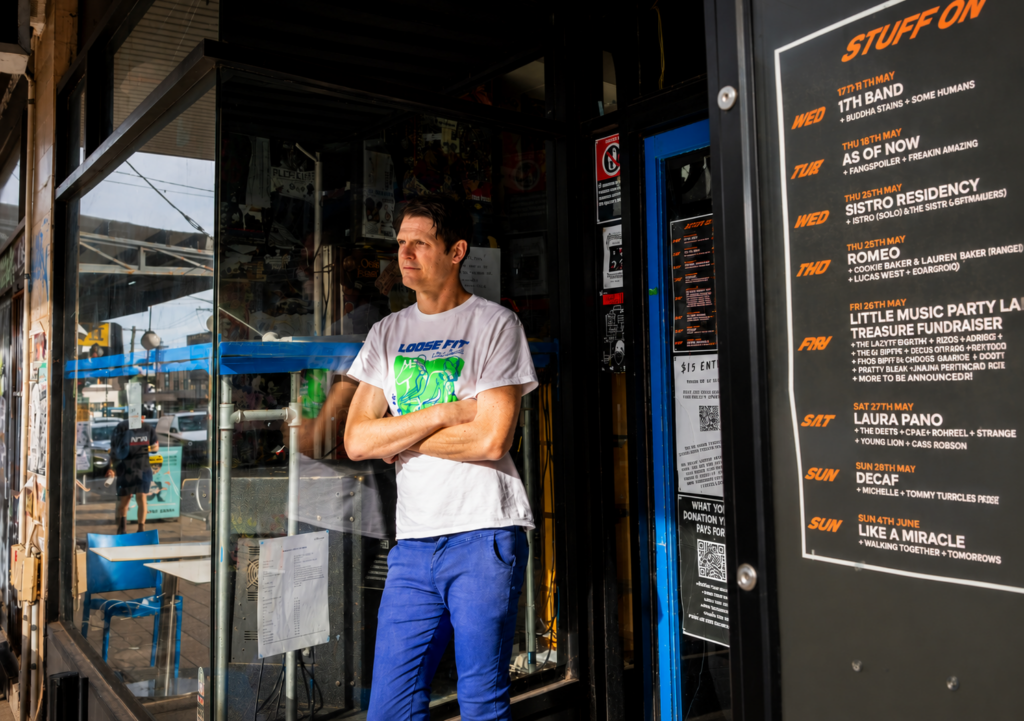

Sydney’s grassroots live music scene has suffered another blow, with not-for-profit venue Lazy Thinking closing its Dulwich Hill home as operators warn that Australia’s rental market is making it increasingly difficult for small cultural spaces to survive.
The venue was asked to leave the premises by its landlord, according to co-founder Jim Flanagan. Lazy Thinking had operated on a month-to-month lease for years, but discussions about building infrastructure and securing a longer-term agreement failed to produce a workable solution.
Why is Lazy Thinking closing?
Flanagan said the problem extends beyond one Sydney venue. Small music spaces are commonly commercial tenants, leaving them exposed to rent increases, short leases and decisions made by property owners. Without long-term security, operators can struggle to plan investment, apply for grants or confidently book future programs.
The closure comes during a difficult period for Australia’s independent music sector. Financial pressure has already hit festivals as well as permanent venues, with Bluesfest 2026 cancelled amid weak ticket sales earlier this year.
Lazy Thinking’s situation is not isolated. The Bearded Lady in Brisbane, The Jade in Adelaide and Melbourne’s Gasometer Hotel have previously closed following lease or landlord-related issues. Other venues including MoshPit, Darling Nikki’s, Mary’s Underground, Stay Gold, Bendigo Hotel and Misfits have announced closures since the beginning of 2026, although several cited broader financial pressures rather than landlord disputes.
Rising costs are squeezing small music venues
Venue operators face pressure from both sides of their balance sheets. Commercial rents and operating expenses have risen while traditional income streams, including alcohol sales, have weakened. Smaller venues can be particularly vulnerable because many operate on narrow margins while giving emerging artists the opportunity to perform in front of live audiences.
RMIT University live music venue expert Dr Sam Whiting, after engaging with almost 100 venues and industry stakeholders across Europe, found that owning the building was important for long-term sustainability. Longer leases can also give operators greater certainty and improve their ability to plan and seek funding.
The wider picture is complicated because Australia still attracts major concerts and cultural events. Sydney’s Vivid Sydney 2026 program featured dozens of installations and more than 80 music events, showing that demand for live entertainment remains significant even as smaller independent spaces face tougher economics.
Government support is growing, but structural problems remain
Governments have introduced measures aimed at protecting the sector. New South Wales has rolled out vibrancy reforms and funding for venues, while Victoria and Queensland have announced grants supporting music spaces and local performers.
Property industry representatives, however, argue that landlords are investors who must consider returns, capital growth and protection of their assets. They favour targeted incentives that encourage owners to retain suitable music and arts spaces rather than restrictions on commercial property agreements.
Some music-sector experts want a deeper change. Proposals include treating live music as a public good, establishing community land trusts and developing an Australian equivalent of the UK’s Music Venue Properties model, which acquires buildings containing grassroots venues and leases them back to operators under more secure arrangements.
Lazy Thinking may continue under a different model
The closure of the Dulwich Hill space does not necessarily mean the end of the Lazy Thinking project. Flanagan has indicated that he would not reopen under the same economic structure, saying any future venue would need a substantially different arrangement, potentially involving subsidised, donated or government-supported space.
The broader concern is what repeated small-venue closures could mean for emerging musicians and local communities. Grassroots venues give developing artists somewhere to build audiences before progressing to larger stages, while regular programming helps create music communities that cannot easily be replicated by general-purpose venue hire.
A Guardian Australia report details the rental, lease and financial pressures facing Lazy Thinking and other venues around the country. The debate now extends beyond the fate of one Sydney space to whether Australia’s existing property and funding models can provide grassroots live music with the stability it needs to survive.

Make Swikblog your go-to source on Google for reliable updates, smart insights, and daily trends.