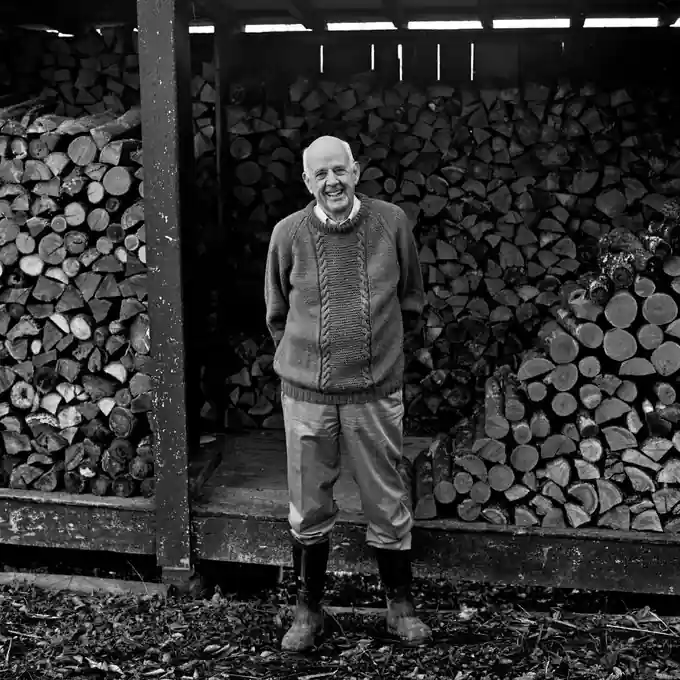

Wendell Berry, the celebrated American poet, novelist, essayist, farmer and environmental advocate whose writing challenged industrial agriculture and explored the bond between people and land, died Monday, August 31, 2026. He was 92.
Berry died at his home in Port Royal, Kentucky, his daughter Mary Berry confirmed. His death closes a career spanning more than six decades, during which his ideas influenced literature, sustainable agriculture, conservation and debates over the future of rural communities.
What was Wendell Berry’s cause of death?
No specific cause of death had been publicly disclosed in the immediate reporting following Berry’s death. His family confirmed where he died but did not announce an illness or medical condition responsible.
That means reports attributing Berry’s death to a particular condition should be treated cautiously unless further information comes from his family.
The Associated Press confirmed Berry’s death through his daughter Mary.
Who was Wendell Berry’s wife?
Berry was married to Tanya Amyx Berry. They met while he was studying at the University of Kentucky and married in 1957, beginning a marriage that lasted nearly seven decades.
After Berry studied and taught away from Kentucky, the couple returned to Henry County. Their life there — centered on family, farming and community — became inseparable from the themes of his writing.
Who are Wendell Berry’s children?
Berry and Tanya had two children: Mary Berry and Pryor “Den” Berry. Mary later established The Berry Center, which works on agricultural issues and strengthening farming communities.
Obituary reporting also lists Berry’s surviving family as including his sisters Mary Jo Berry and Martha Baxter, five grandchildren and four great-grandchildren.
Why was Wendell Berry famous?
Born August 5, 1934, Berry grew up in a Kentucky farming family with generations of ties to Henry County. He earned bachelor’s and master’s degrees in English from the University of Kentucky and later became a Wallace Stegner Fellow at Stanford University.
He taught at New York University before returning to Kentucky. In the 1960s, Berry and his family settled at Lane’s Landing in Henry County, where farming became both part of his daily life and a foundation for his writing.
Berry favored farming on a human scale, used draft horses and questioned technologies he believed created unnecessary dependence. He famously avoided computers and generally wrote by hand before his work was typed.
The book that defined his agricultural legacy
Berry wrote more than 40 books across poetry, fiction and nonfiction. His landmark 1977 book The Unsettling of America: Culture & Agriculture criticized industrial farming, farmland consolidation and growing dependence on machinery.
The work appeared decades before sustainable agriculture and local food systems became mainstream concerns, helping make Berry an influential voice beyond traditional literary circles.
Wendell Berry’s famous books and poems
Much of Berry’s fiction takes place in Port William, an imaginary Kentucky community through which he examined farming, marriage, friendship, grief and changes in rural America.
His best-known novels include Jayber Crow, Hannah Coulter, The Memory of Old Jack and Nathan Coulter.
His poetry included decades of Sabbath poems, while “The Peace of Wild Things” became one of his most recognized works. One of Berry’s best-known lines, “Eating is an agricultural act,” captured his belief that everyday food choices connect consumers directly with farmers and land.
Lily Hooper Death: Cause and What Happened to the NSW Hiker
From writing to environmental activism
Berry did not limit his beliefs to books. He protested the Vietnam War and later became involved in campaigns concerning nuclear power, coal and mountaintop-removal mining.
In 2009, he withdrew papers from the University of Kentucky after objecting to the institution’s relationship with the coal industry. In 2011, he participated in a Kentucky governor’s office sit-in opposing mountaintop-removal mining.
Late in life, Berry was still defending agricultural land, including opposing a major bourbon-related development near his home that he believed threatened productive farmland.
National Humanities Medal and lasting influence
President Barack Obama presented Berry with the 2010 National Humanities Medal in 2011. Berry was also named the 2012 Jefferson Lecturer in the Humanities and received the National Book Critics Circle’s Ivan Sandrof Lifetime Achievement Award in 2016.
His death follows the recent loss of other prominent cultural figures, including Dolly Parton, whose death prompted renewed interest in her cultural legacy, and Tim Curry, whose career reached generations of film and theatre audiences.
Berry leaves behind Tanya, his children and later generations of his family. His books remain especially relevant to debates over family farming, food security, environmental protection and what communities lose when productive land disappears.

Make Swikblog your go-to source on Google for reliable updates, smart insights, and daily trends.