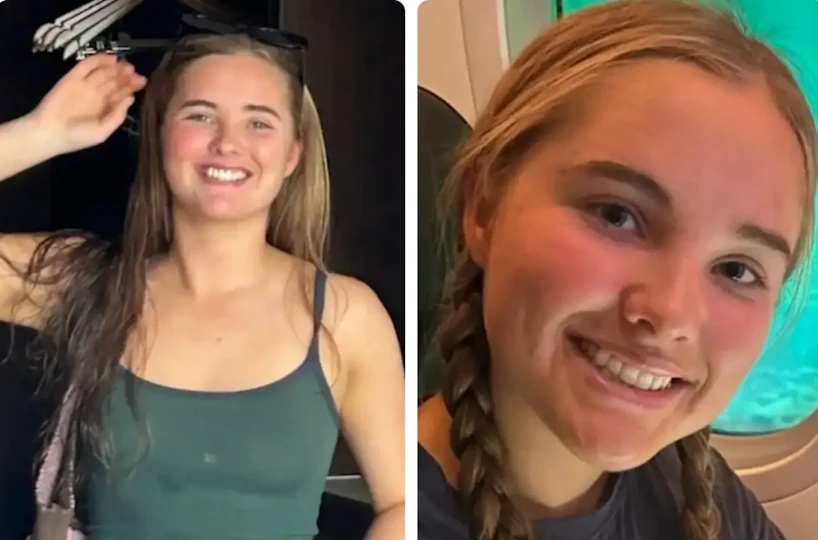

New details about the death of 18-year-old Lily Hooper have given her family a clearer picture of what happened after she disappeared during a solo bushwalk in New South Wales. Her mother says preliminary reports indicate Lily suffered a fall on the first afternoon of her hike and died that same day.
Lily, from Oakdale in NSW, went missing on August 12, 2026, after setting out for Nattai National Park in the Southern Highlands. Her body was found in dense bushland on August 20 following an intensive eight-day search.
The family’s latest account helps answer one of the most difficult questions surrounding the case: whether Lily remained alive for days in the wilderness. Her parents say they have since been told she passed quickly, although her final official cause of death has not been publicly confirmed.
How did Lily Hooper die?
Lily’s mother, Kirrily Hooper, said preliminary reports indicate her daughter suffered a fall and an accident during the first afternoon of her bushwalk.
According to that early information, Lily died on August 12, the same day she went missing, and was eventually located in thick bushland. Her mother said the family now understands she did not spend the following nights suffering in the cold.
The distinction is important. A fall should not yet be presented as a final coronial finding because the precise medical cause of Lily’s death has not been officially confirmed.
Eight-day search covered difficult terrain
When Lily failed to return, authorities launched a major multi-agency search across rugged sections of Nattai National Park. Almost 1,000 people from several agencies were reported to have taken part during the operation.
For her family, every approaching night brought greater uncertainty. Kirrily later described the anguish of not knowing whether her daughter was somewhere in the wilderness waiting to be found.
An SES volunteer located Lily on August 20 in dense bushland while her family was at the search site. Remote terrain and limited phone reception can make reaching an injured or missing person especially difficult. A separate remote tramping rescue triggered by a personal locator beacon shows how location devices can help emergency crews narrow down a search area in isolated country.
Why was Lily’s family told she was alive?
The discovery was followed by a painful communication error. Lily’s parents were initially given information suggesting their daughter had been found alive and believed that was the case for roughly eight to 10 minutes before authorities corrected the report.
The incorrect information also reached NSW Premier Chris Minns, who announced during budget estimates that Lily had been located alive. He later corrected the statement and apologised for any additional grief caused to the family.
Reports have focused on a search-team reference to “half a bottle of water” that was misunderstood as information moved between agencies. Authorities are investigating how the communication breakdown occurred.
Despite the mistake, Lily’s father, Jim Hooper, has said the family is not angry with police and recognised the extensive effort made to find his daughter.
Family wants stronger bushwalking safety awareness
Lily’s parents now hope her story can encourage young and solo hikers to prepare more carefully before entering remote areas. They have spoken about better bush-safety education and wider use of personal locator and tracking devices, with the idea of a campaign referred to as “Lily’s Law”.
The proposal should not be confused with an enacted law. It is a family-backed idea intended to create a lasting safety legacy in Lily’s name.
Wollondilly Shire Council has separately moved toward developing a bushwalking safety program in consultation with Lily’s family, including plans to make personal locator beacons available for people to borrow free of charge.
The dangers of becoming separated from others in mountainous terrain were also highlighted in a three-day search for a missing young hiker in South Korea, where difficult terrain complicated efforts to locate the child.
The NSW National Parks and Wildlife Service bushwalking safety guidance recommends researching the route, telling someone where you are going, checking weather and park alerts, carrying sufficient food and water, and taking a personal locator beacon when heading into remote bush.
What is confirmed about Lily Hooper’s death?
What is established so far is that Lily left for her bushwalk on August 12, failed to return and was found dead in Nattai National Park eight days later. Her family’s latest information indicates that an accident involving a fall occurred during her first afternoon and that she died that day.
That account remains preliminary rather than a final official determination of her cause of death. Police are also examining the communication failure that briefly led Lily’s family and the NSW Premier to believe she had been found alive.
Alongside those investigations, the safety initiative being developed in Lily’s memory is intended to improve preparation and access to emergency equipment for people heading into remote bushland.

Make Swikblog your go-to source on Google for reliable updates, smart insights, and daily trends.