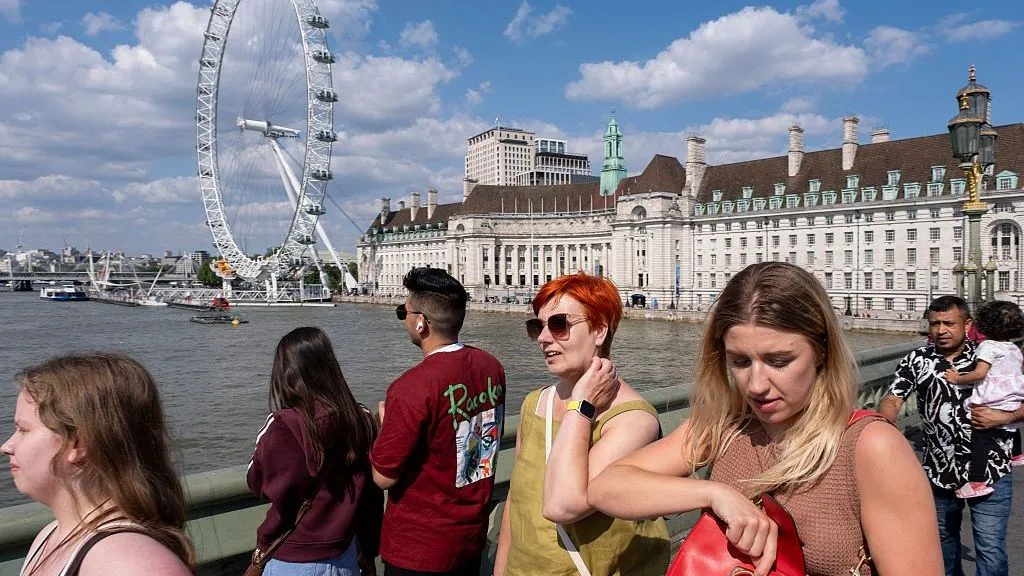

Hotel stays in parts of England could become more expensive under government plans to give mayors the power to introduce a tourist tax on overnight accommodation. The levy would be charged as a percentage of the cost of a stay, with local leaders deciding whether to introduce it and how the money raised should be spent.
England's mayors to be given power to introduce tourist tax ➡️ https://t.co/yxlnBSDuME pic.twitter.com/t4zjCRXPml
— BBC London (@BBCLondonNews) September 10, 2026
The key point for travellers is that there is no new nationwide tourist tax being charged today. The government is creating a framework that would allow eligible mayors to establish their own Overnight Visitor Levy, meaning rates and rules could eventually differ between destinations.
How much could visitors pay?
No England-wide rate has been announced. Under the proposal, however, the levy would be a percentage of accommodation cost rather than a fixed nightly fee. The government argues that this would reduce the impact on people choosing cheaper stays.
For illustration, if a local authority eventually selected a 3% levy, the additional cost would be:
- £100 accommodation bill: £3 extra
- £200 accommodation bill: £6 extra
- £500 accommodation bill: £15 extra
- £1,000 accommodation bill: £30 extra
These are examples only, not confirmed rates. Current plans reportedly leave no fixed national upper limit, although government sources expect mayors to avoid setting charges high enough to damage their tourism economies.
Hotels, B&Bs and holiday lets could be affected
The proposed system concerns paid overnight accommodation, potentially including hotels, B&Bs, guesthouses and short-term holiday lets. The final legislation and individual local schemes will determine exactly which stays are covered.
The government’s Overnight Visitor Levy proposals have examined issues including accommodation coverage, exemptions, collection and how local authorities would introduce a scheme.
Domestic travellers could also be affected. Despite the phrase “tourist tax,” the proposal is linked to eligible overnight accommodation rather than simply a visitor’s nationality. Day-trippers who do not book accommodation would not pay an overnight-stay levy.
England tourist tax start date
The new charge is not expected to appear immediately. Prime Minister Andy Burnham said on September 1 that the government intends the power to set an Overnight Visitor Levy to commence towards the end of the 2027-28 financial year.
Local leaders would then have to decide whether to use the power. The government has said decisions should reflect local circumstances, with mayors expected to consult on proposals including rates and how revenue would be invested.
London could raise more than £350 million from a levy
London is likely to be closely watched. Mayor Sadiq Khan supports a levy on overnight visitors, while analysis from Central London Forward has estimated that a hypothetical 3% charge could raise more than £350 million annually.
That does not mean London has approved a 3% rate. It is an estimate showing the potential scale of revenue in the capital.
Visitors already face substantial accommodation and transport costs in London. The city has also experimented with measures aimed at making travel cheaper, including the £1.75 unlimited weekend bus and tram travel offer introduced during summer 2026.
UK Plug-In Solar Panels: Price, Potential Savings and What Households Need to Know
UK Train Fares Set to Rise 4.2% in 2027: What Passengers Could Pay
Manchester already has a visitor charge
Manchester introduced a £1-per-room, per-night City Visitor Charge in April 2023 through an accommodation Business Improvement District. That arrangement is different from the statutory mayoral powers now being proposed.
The broader visitor economy is economically significant. England records more than 130 million overnight visits annually, according to government figures.
Tourism businesses have also used discounts to stimulate demand, including recent English Heritage and National Trust visitor offers, underscoring the challenge of raising revenue without making domestic trips less affordable.
Hospitality industry warns of higher holiday costs
UKHospitality has opposed the proposal, warning that additional accommodation charges could discourage domestic holidays and put pressure on businesses and jobs in tourism-dependent communities.
The trade body has instead urged the government to consider a “holiday bonus” approach. It also fears different local rates could create a patchwork of rules for accommodation businesses operating across England.
Supporters argue that visitors place additional pressure on transport, streets and local infrastructure and that levy revenue could be reinvested in public transport, tourism promotion, cultural attractions, events and local services.
Scotland and Wales already provide a comparison
Edinburgh introduced a 5% visitor levy in July 2026, capped at the first five nights of an eligible stay, while Glasgow is due to introduce a 5% levy from January 2027.
Wales is taking a different approach, with a capped charge of up to £1.30 per person per night due from April 2027 in participating areas.
For England travellers, the immediate message is simple: no universal tourist tax is being added to hotel bills now. The eventual cost will depend on which mayors introduce a levy, the percentage they choose, the accommodation covered and any exemptions.

Make Swikblog your go-to source on Google for reliable updates, smart insights, and daily trends.