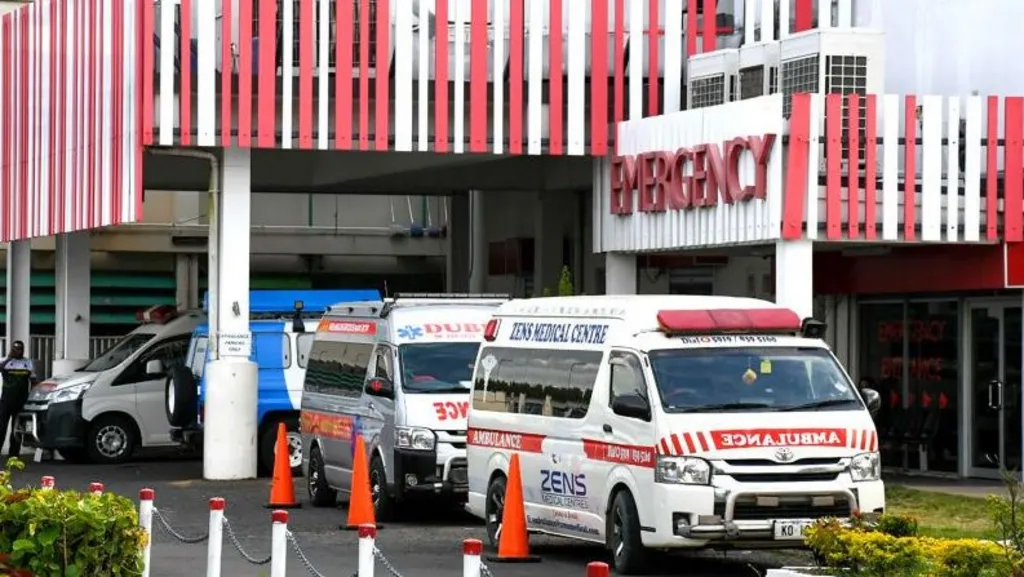

Fiji has escalated its HIV response to a national emergency after recording 2,016 new diagnoses in 2025, the highest annual total on record and a 27% increase from 1,583 cases in 2024.
Fiji declares HIV a national emergency as cases surge https://t.co/ZCXVAevkMy
— BBC News (World) (@BBCWorld) September 17, 2026
The surge is hitting young adults especially hard and exposing major gaps in diagnosis, treatment and prevention. Health authorities are now expanding testing, PrEP, treatment access and harm-reduction services as Fiji moves beyond its earlier outbreak-level response.
Fiji records 2,016 HIV diagnoses in one year
Fiji’s official 2025 HIV surveillance report shows 2,016 newly diagnosed cases, up 27% from the previous year.
UNAIDS estimates around 9,100 people were living with HIV in Fiji in 2025. Only 39% knew their status and roughly 22% were receiving antiretroviral treatment.
The long-term trend is equally concerning. UNAIDS estimates new HIV infections increased about twelvefold between 2010 and 2025.
Health officials also stress that rising diagnoses partly reflect expanded testing, meaning not every case recorded in 2025 was necessarily acquired during that year.
Young adults account for most new diagnoses
People aged 20 to 24 recorded 646 diagnoses in 2025, accounting for about 32% of the national total. Another 419 cases were reported among people aged 25 to 29 and 285 among those aged 30 to 34.
Combined, people aged 20 to 34 represented about two-thirds of new diagnoses.
Another 257 cases were recorded among people aged 15 to 19, underlining concern about transmission among younger Fijians.
Sexual transmission and injecting drugs both play a role
Fiji’s HIV surge does not have a single cause.
Among cases where the transmission route was known, about half were linked to sexual transmission and more than 42% to injecting drug use.
Authorities and health organisations have also raised concerns over needle sharing and a dangerous blood-sharing practice sometimes called “bluetoothing” or “hotspotting,” where blood from someone who has recently injected drugs is injected into another person.
However, the transmission route was not recorded for more than half of all 2025 diagnoses, so officials caution against attributing the epidemic to one behaviour alone.
Fiji plans needle and syringe programme
The government plans to introduce a needle-and-syringe programme aimed at reducing infections linked to unsafe injecting practices. Legislative amendments are expected to be brought before Parliament.
Authorities are also expanding free rapid HIV testing, antiretroviral treatment and PrEP, which helps HIV-negative people reduce their risk of acquiring the virus.
Public-health emergencies can quickly expose gaps in staffing and treatment capacity, as seen in other major infectious-disease emergencies.
Largest U.S. Cyclospora Outbreak Declared Over: Latest Health Update
Hobart Private Hospital Sale: Calvary Deal and What It Means
Children and babies are also being affected
The 2025 surveillance report recorded 67 HIV diagnoses among children aged 0 to 14, including dozens of cases consistent with mother-to-child transmission.
Fiji also recorded 117 HIV-related deaths during the year, including 17 deaths among children aged 14 or younger.
Officials are pushing for stronger antenatal testing, earlier treatment for pregnant women and faster diagnosis of infants because antiretroviral therapy can sharply reduce the risk of mother-to-child transmission.
Hundreds diagnosed were not yet in treatment
Fiji’s national HIV database recorded 3,535 people living with HIV by the end of 2025. Of those, 1,979 were receiving antiretroviral therapy.
Among the 2,016 people diagnosed during the year, 845 were not yet enrolled in care when the surveillance data were compiled.
The gap between Fiji’s recorded cases and UNAIDS’ estimate of 9,100 people living with HIV suggests thousands may still be undiagnosed.
Health system faces growing pressure
National HIV Response Team chair Dr Jason Mitchell has warned that shortages of healthcare workers are restricting Fiji’s ability to expand testing and treatment services.
Authorities hope the emergency response will speed up recruitment, training and community outreach. Similar public-health alerts affecting communities have shown how staffing, clear guidance and fast access to services can shape emergency outcomes.
Government urges testing without stigma
Officials say HIV testing remains voluntary and confidential and have urged people not to avoid services because of stigma.
HIV is not spread through ordinary contact such as hugging, shaking hands or sharing food. People who receive effective treatment and maintain an undetectable viral load do not sexually transmit the virus.
Fiji’s response will now depend on whether authorities can turn record testing into earlier diagnosis, faster treatment enrolment and sustained care as the country tries to slow one of the Pacific’s fastest-growing HIV epidemics.

Make Swikblog your go-to source on Google for reliable updates, smart insights, and daily trends.