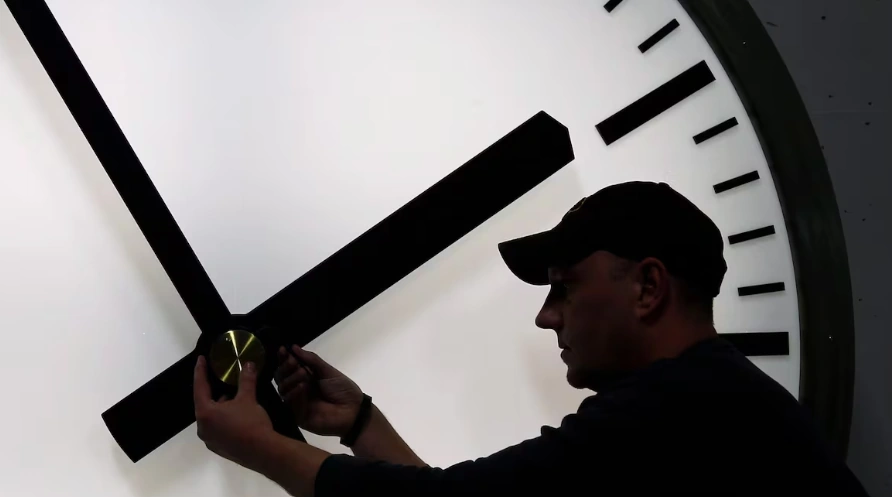

WINNIPEG — Manitoba is ending seasonal clock changes and will remain on daylight saving time permanently, meaning residents will not turn their clocks back on November 1, 2026. The decision ends the province’s twice-yearly clock adjustment and will affect households, schools, workplaces, travel schedules and businesses across Manitoba.
Premier Wab Kinew announced the change on September 17 after a public consultation showed strong support for ending seasonal time changes. For residents, the immediate change is straightforward: the usual fall-back by one hour will not happen this November.
BREAKING: Manitoba to scrap time change, stay on Daylight Saving Time: Kinewhttps://t.co/kiMNcKEkgK
— Globalnews.ca (@globalnews) September 17, 2026
Manitoba clocks will not change on November 1
Under Manitoba’s previous system, daylight time started on the second Sunday in March and ended on the first Sunday in November. The province moved clocks forward on March 8, 2026, and had been scheduled to return to standard time on November 1.
That November adjustment has now been cancelled. Manitoba will stay on daylight time through winter and continue using one permanent clock setting instead of switching in spring and fall.
The Manitoba government’s official announcement confirms the decision and says the province is working with businesses, organizations and industries to prepare for the change.
Nearly 72,000 responses shaped the decision
The province launched a public consultation in May asking Manitobans whether they wanted to keep changing clocks or adopt a permanent time system.
Nearly 72,000 responses were submitted. According to the province, 92% supported ending seasonal clock changes. About 58% preferred permanent daylight time, while 34% favoured permanent standard time.
Manitoba’s move follows a similar decision in British Columbia, where residents made their final seasonal clock change in March 2026 before moving toward year-round daylight time.
Winter mornings will be darker for longer
Permanent daylight time does not increase the amount of sunlight. Instead, daylight appears one hour later on the clock during winter than it would under standard time.
On December 21, Winnipeg is expected to see sunrise at about 9:24 a.m. and sunset around 5:30 p.m.. Under standard time, those daylight hours would have appeared roughly one hour earlier.
The difference will be even more noticeable farther north. In Thompson, the December 21 sunrise is expected at approximately 10:05 a.m., with sunset around 4:57 p.m..
That means later evening light but darker mornings for students, commuters and families during the shortest days of the year.
Summer daylight will remain familiar
Summer will feel largely unchanged because Manitobans already use daylight time during that part of the year. In Winnipeg, June 21 brings sunrise at roughly 5:20 a.m. and sunset around 9:41 p.m.
The broader seasonal daylight pattern across the country is also shaped by Canada’s latitude and the changing position of the sun, which is why the March equinox brings noticeably longer daylight across Canada even before summer arrives.
Health and daily routines were part of the debate
Manitoba Health reviewed the effects of different time policies, considering sleep, physical activity, mental health, chronic disease and exposure to light. The provincial analysis concluded that eliminating the twice-yearly clock switch would be preferable to continuing seasonal changes.
Permanent daylight time still comes with trade-offs. Families gain later winter sunsets, while children and early commuters may begin their day before sunrise for longer periods.
Time differences across Canada will need attention
Manitoba’s decision also matters for travel, television schedules, remote work and appointments involving other provinces. Not every Canadian jurisdiction follows exactly the same time policy, so the time difference between Manitoba and other regions may vary during the year.
Phones and computers usually update time automatically, but devices rely on current time-zone databases. Businesses and residents should keep operating systems, calendars and scheduling software updated before November 1 so older settings do not incorrectly apply the former fall-back rule.
What Manitoba residents should remember for November
The key date is November 1, 2026. Manitoba residents should not turn their clocks back by one hour. The province will remain on daylight time through winter, ending the familiar spring-forward and fall-back routine.
Residents with manually programmed clocks or older devices should check their settings, while anyone travelling or arranging meetings outside Manitoba should confirm local times as the traditional November clock-change weekend approaches.

Make Swikblog your go-to source on Google for reliable updates, smart insights, and daily trends.