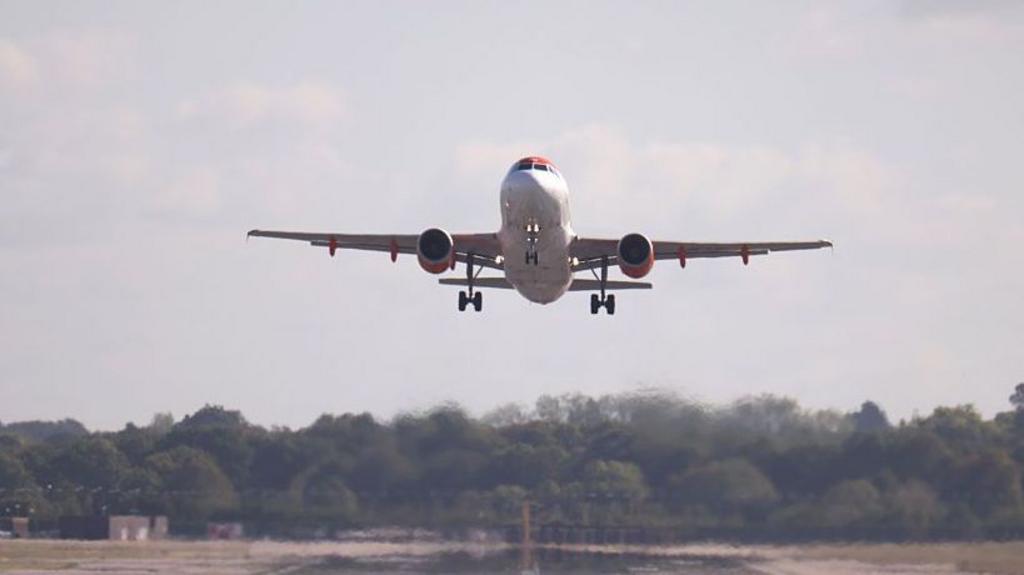

At least 24 flights have now been cancelled as disruption linked to the Prestwick air traffic control failure continues across Scotland, Northern Ireland and northern England. British Airways and easyJet are among the airlines affected, although many scheduled flights are continuing to operate.
The disruption has moved beyond delays alone, with cancellations now reported across the affected network. Flights serving Scottish airports and routes involving Northern Ireland and northern England have been particularly exposed, while airports farther south have remained largely unaffected apart from knock-on disruption to northbound services.
Flights across parts of the UK were disrupted on Monday after a technical failure at the Prestwick air traffic control centre forced restrictions across Scottish-controlled airspace.
The problem affected operations at NATS’ Prestwick Centre in Ayrshire, reducing the amount of traffic that could be handled through the affected airspace and triggering delays for passengers at airports including Glasgow and Edinburgh.
Services involving Northern Ireland and northern England were also exposed to disruption as controllers limited aircraft movements while engineers worked to restore normal operations.
National Air Traffic Services (NATS), which manages much of the UK’s controlled airspace, said air traffic regulations had been introduced to safely manage demand while the technical problem was investigated.
Glasgow and Edinburgh flights hit by Prestwick problem
The disruption was not limited to Prestwick Airport. NATS’ Prestwick Centre is one of the UK’s two main air traffic control centres and manages a large section of airspace covering Scotland and northern parts of the country.
NATS says the Prestwick facility works alongside its Swanwick centre to manage UK airspace, while its Scottish operation covers Scotland, Northern Ireland and parts of northern England.
That means a technical problem at the centre can affect flights hundreds of miles away even when the airports themselves remain open.
Passengers at Glasgow and Edinburgh were among those facing delays, while routes involving Northern Ireland and northern England could also be affected depending on the airspace used by individual flights.
Airlines were advising passengers to check their flight status before travelling as departure and arrival times could change at short notice.
Passengers flying from Glasgow, Edinburgh, Prestwick, Belfast or airports in northern England should check directly with their airline before leaving for the airport. Even after the technical problem is fixed, knock-on delays can continue while aircraft and crews are repositioned.
Why a Prestwick failure can disrupt flights across the UK
Prestwick Centre has a much wider role than its name might suggest.
According to NATS information about the facility, the centre handles air traffic across northern England, Scotland and into the North East Atlantic.
Its Scottish Area Control operation covers aircraft over Scotland, Northern Ireland, northern England and the North Sea, while other teams at Prestwick manage traffic over parts of England and transatlantic airspace.
Restrictions at the centre can therefore create a chain reaction. A flight departing normally from one airport may still be held on the ground because it cannot immediately enter restricted airspace farther along its route.
This also explains why an air traffic control problem can continue affecting schedules after engineers restore the underlying system. Aircraft may already be out of position, inbound services may arrive late and airline crews can approach legally permitted working-time limits.
The latest problems come less than two weeks after a separate NATS technical incident on September 8 caused widespread disruption across the UK.
NATS said that earlier incident was caused by a software defect affecting part of its National Airspace System. Restrictions remained in place for around six hours and the resulting backlog took more than two days to clear, disrupting the travel plans of hundreds of thousands of passengers.
The company published a preliminary report into the September 8 failure on September 18, saying the fault had been traced to a small section of software used in aircraft code processing.
NATS chief executive Martin Rolfe said after that incident that the company’s primary responsibility was maintaining the safety of UK airspace, with traffic restrictions introduced when systems cannot operate at their normal capacity.
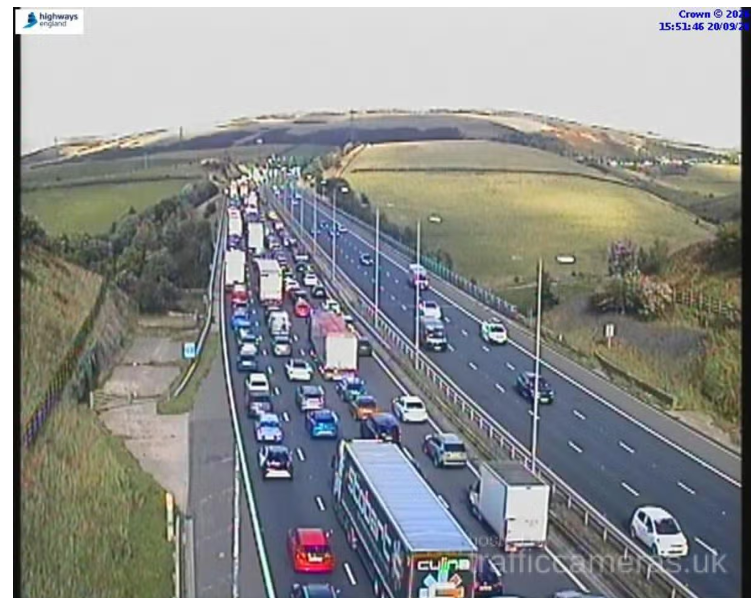
The latest disruption comes during another difficult period for travellers in northern Britain. Road users were also recently affected by the M62 closure near Huddersfield, which caused significant delays on one of northern England’s busiest motorway routes.
What passengers can do if their flight is delayed or cancelled
Passengers whose flights are disrupted should first check their airline’s website or app because the status of individual services can vary significantly even during a wider air traffic control problem.
If a flight is cancelled, the UK Civil Aviation Authority says passengers on flights covered by UK passenger-rights legislation should generally be offered a choice between a refund for the unused ticket or alternative transport to their destination.
Airlines may also have to provide meals, refreshments or accommodation during qualifying disruption, depending on the length of the delay and the circumstances.
However, additional cash compensation is separate from refund and rerouting rights. Whether compensation is payable can depend on what caused the disruption and whether the circumstances were within the airline’s control.
Check your flight number directly with the airline, monitor departure boards and keep receipts for reasonable expenses if you are stranded. Passengers whose flights are cancelled should ask their airline about both rebooking and refund options.
There was no indication that aircraft already in operation were unsafe. Traffic restrictions are used specifically to reduce controller workload and maintain safe separation between aircraft when normal system capacity is unavailable.
The situation remains developing, with attention now focused on how quickly normal capacity can be restored at Prestwick and how long airlines will need to clear any resulting backlog.

Make Swikblog your go-to source on Google for reliable updates, smart insights, and daily trends.