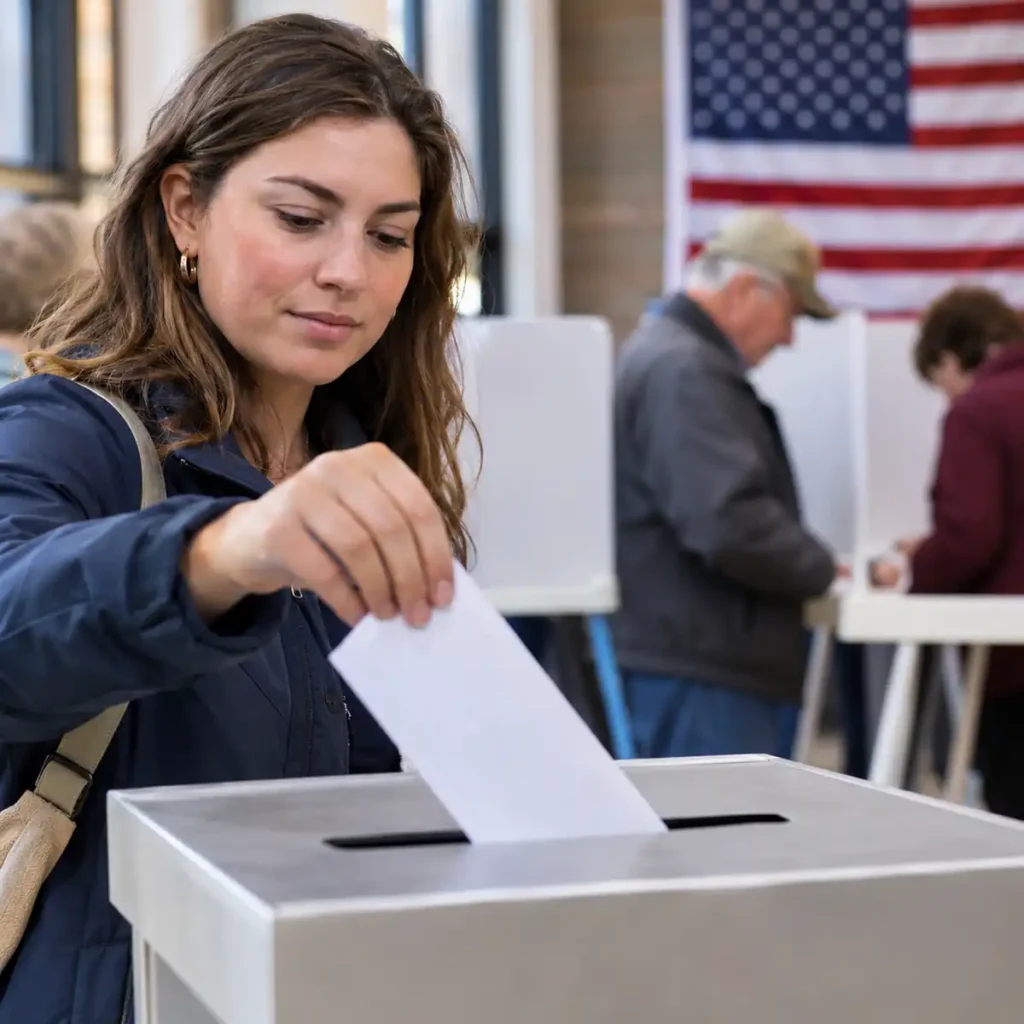

WASHINGTON, November 2, 2026 — Americans will head to the polls on Tuesday, November 3, for the 2026 midterm elections, with control of Congress and numerous state and local offices at stake. Voters preparing to cast ballots should confirm their polling locations, voting hours, registration status and identification requirements before Election Day.
All 435 voting seats in the U.S. House of Representatives and 35 Senate seats are being contested. However, voting rules vary by state, meaning Americans may face different deadlines, identification requirements and polling procedures depending on where they live.
US Election Day 2026: Key Voting Details
- Election date: Tuesday, November 3, 2026
- Election type: Midterm, state and local elections
- Polling hours: Vary by state and location
- Voting locations: Assigned polling places or authorized vote centers
- Voter ID: Requirements vary by state
- Registration: Deadlines depend on state laws
- Voting options: In-person, early and absentee voting, where available
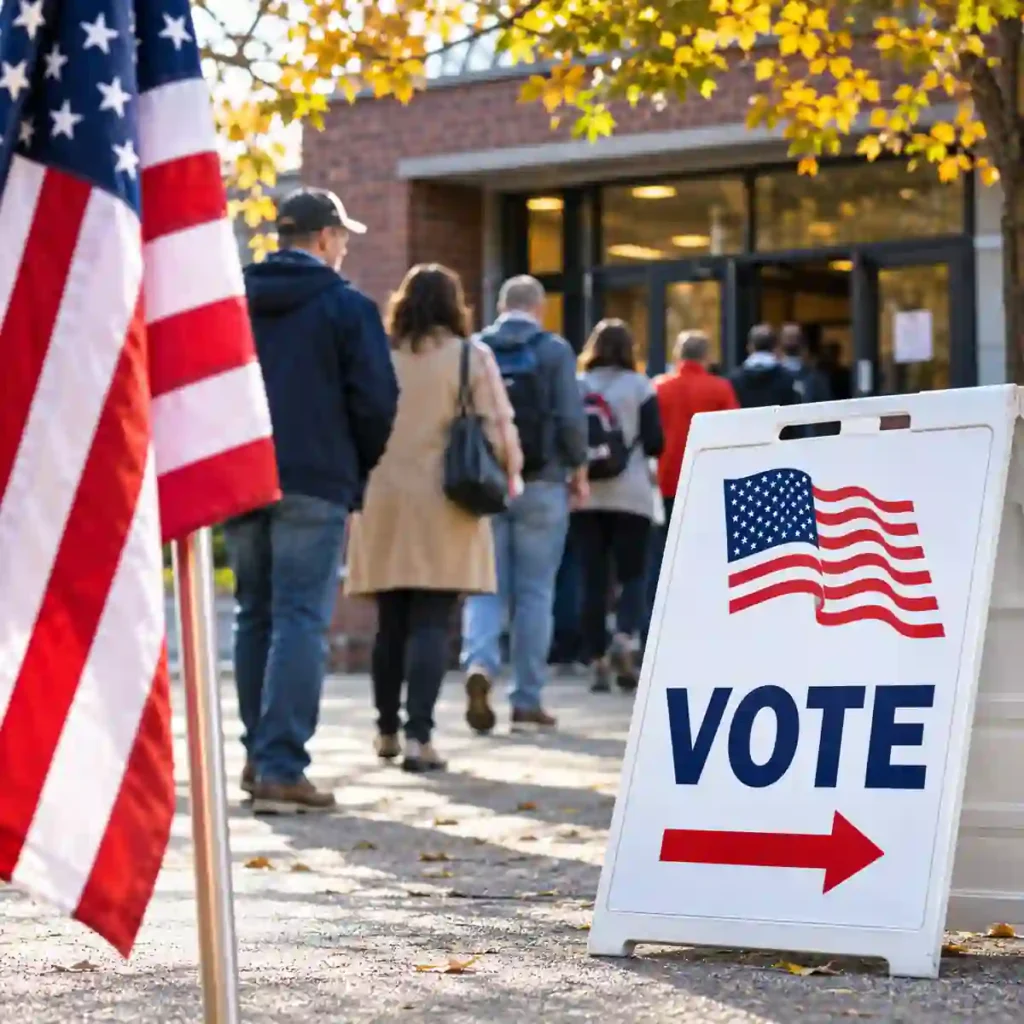
How and Where to Vote on November 3
Voters should first verify their registration and find their designated polling location through their state or local election office.
Polling stations may be located in schools, libraries, community centers or government buildings. Some jurisdictions operate countywide vote centers, while others require voters to visit an assigned precinct.
The federal government’s official USA.gov voting guide provides instructions for finding polling places, checking eligibility and understanding voting requirements.
Before leaving home, voters should:
- Confirm their voter registration status.
- Find their assigned polling location.
- Check opening and closing times.
- Bring identification required by their state.
- Review a sample ballot, if available.
What Time Do Polls Open and Close?
There is no nationwide polling schedule. Opening and closing times differ by state and sometimes by county or municipality.
Voters should verify their local hours rather than assume another state’s schedule applies. Eligible voters already in line when polls close generally retain the right to cast their ballots.
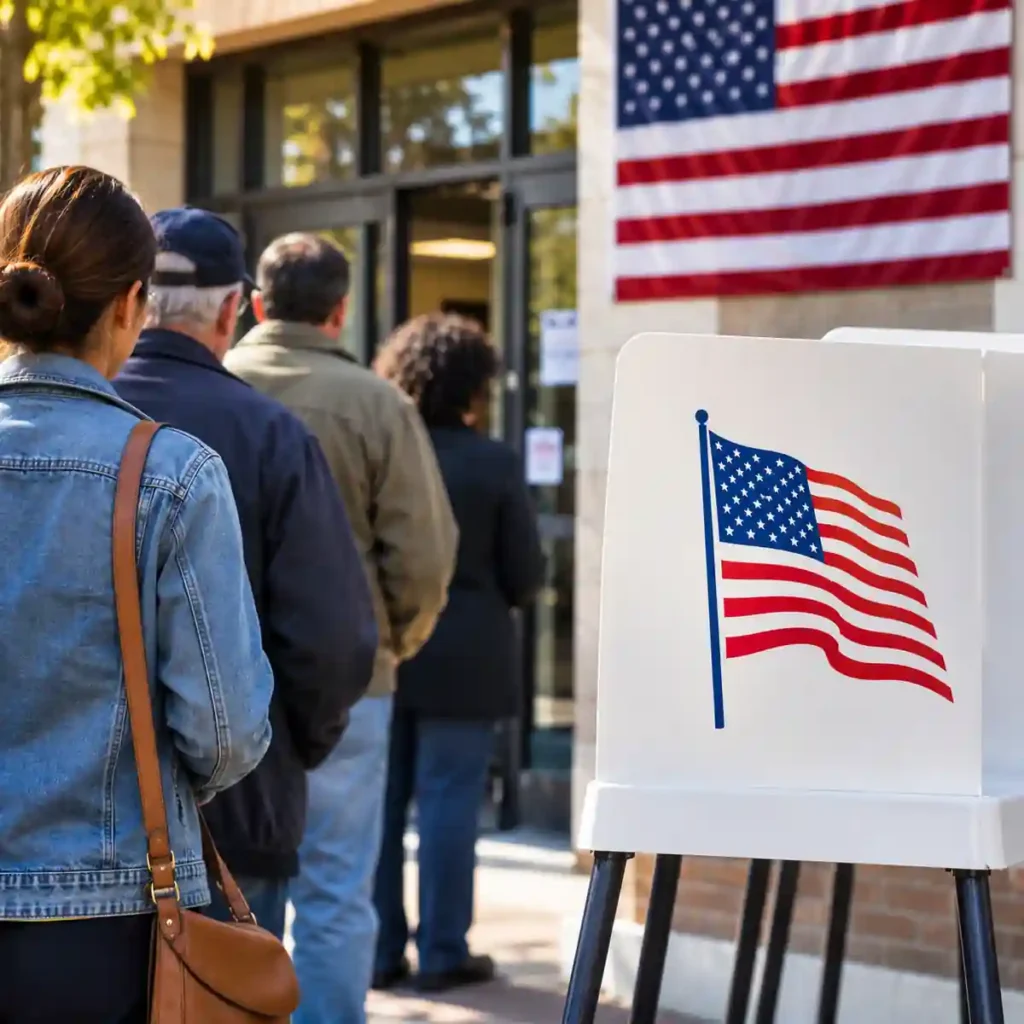
Voter ID Requirements: What Should You Bring?
Some states require photo identification, while others accept alternative documents or use different verification procedures.
Depending on state law, acceptable identification may include a driver’s license, state-issued ID, passport or certain documents confirming a voter’s identity.
First-time voters who registered by mail may face additional federal identification requirements.
Eligible voters without the required identification may be offered an identity affirmation or provisional ballot, depending on local rules. Additional verification may be necessary before a provisional ballot counts.
Can You Still Register to Vote on Election Day?
Registration deadlines differ nationwide. Some states require registration weeks before Election Day, while others permit eligible residents to register during early voting or on November 3.
North Dakota does not require traditional voter registration, although eligibility and identification rules still apply.
Voters who recently moved or changed their names should verify their registration information with election officials.
Early Voting and Mail-in Ballot Deadlines
Many states offer early in-person voting, absentee voting or mail ballots. However, deadlines and eligibility rules vary.
Some states require mail ballots to arrive by Election Day. Others accept ballots received later if they satisfy applicable postmark and receipt deadlines.
Voters should check authorized drop-off locations and return deadlines immediately. Mailing a ballot on November 3 does not guarantee it will count.
Who Is Eligible to Vote?
Federal election voters generally must be U.S. citizens, at least 18 by Election Day, meet residency requirements and comply with applicable registration rules.
Noncitizens cannot vote in federal elections. Voting rights for people with felony convictions vary by state.
In general elections, voters may choose candidates regardless of their registered political party. Primary-election rules can differ.
Voting Problems and Provisional Ballots
Voters whose names are missing from polling records may be eligible to cast provisional ballots, which election officials review before determining whether they count.
Voters with disabilities can request accessible voting equipment or assistance. Eligible military personnel and Americans overseas may use special absentee voting procedures.
Online voting is not available for federal elections, although some states provide online registration and ballot-tracking services.
When Will the 2026 Midterm Election Results Be Announced?
Results will begin emerging after polls close on November 3, but competitive races may take longer to resolve as officials count outstanding mail and provisional ballots.
Media projections are not certified results. State election authorities must complete official counting and certification procedures.
The election follows months of campaigning and primary contests, including the Massachusetts Senate primary. The broader political news cycle has also included updates involving Senator Chris Murphy.
With Election Day approaching, voters should check their registration, polling address, voting hours and required identification through official state election resources before traveling to vote.

Make Swikblog your go-to source on Google for reliable updates, smart insights, and daily trends.