
By Swikblog News Desk | Australia
A major fixture on Australia’s cultural calendar has been abruptly called off after a decision to remove a scheduled speaker triggered a wave of withdrawals, resignations and a wider debate about artistic freedom, institutional governance and the responsibilities of festival boards.
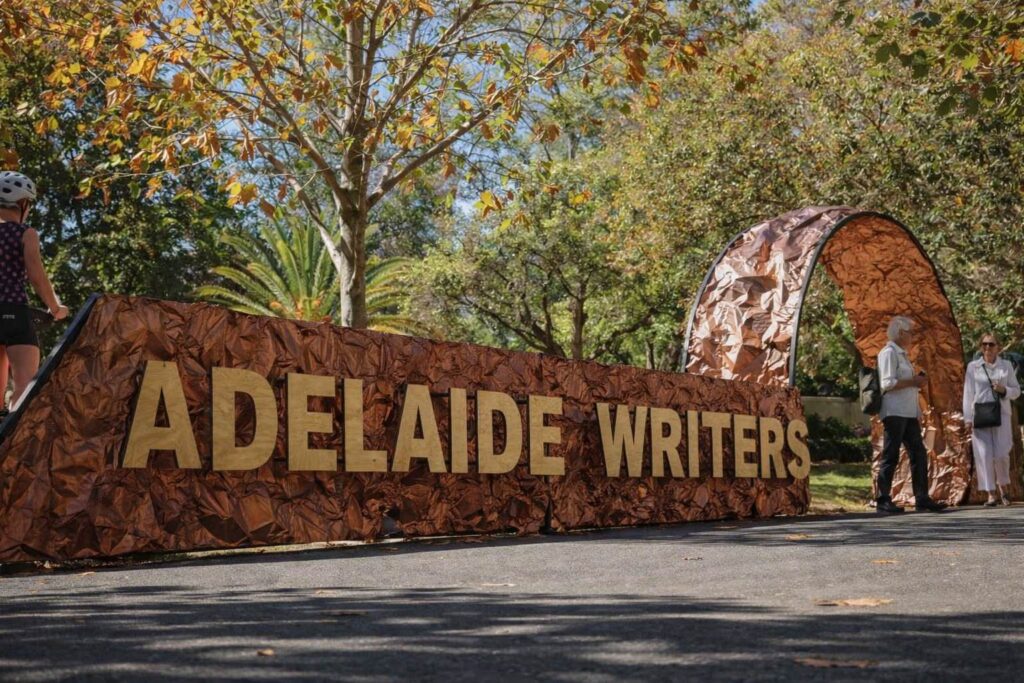
Adelaide Writers’ Week — one of Australia’s best-known literary gatherings — has been cancelled for 2026 following an escalating public and industry backlash over the Adelaide Festival board’s decision to disinvite Palestinian-Australian author and academic Randa Abdel-Fattah. Within days, a growing list of writers and speakers pulled out in protest, leaving organisers unable to deliver the program as planned. :contentReference[oaicite:0]{index=0}
The Adelaide Festival board described the cancellation as a “deeply regrettable outcome” and acknowledged the distress caused to audiences, artists, donors and staff. It also issued an apology to Abdel-Fattah “for how the decision was represented”, as the fallout spread beyond the literary world and into mainstream national conversation.
What sparked the backlash?
The controversy began when the Adelaide Festival board announced it was cancelling Abdel-Fattah’s appearance, citing “cultural sensitivity” concerns in the wake of a recent attack on the Jewish community in Bondi. The board maintained it was not linking Abdel-Fattah to the attack, but critics argued the framing was inflammatory and unfair — and that removing a writer due to their views or identity crossed a line.
The response was swift. High-profile guests and a growing number of participants withdrew from the program, describing the decision as censorship and warning it would damage the festival’s credibility. Media reports put the number of withdrawals at well over a hundred, including prominent international names.
A program that collapsed in real time
Behind the scenes, the withdrawals created a practical problem as well as a reputational one. Adelaide Writers’ Week isn’t a single stage event; it’s a tightly scheduled week of panels, interviews and sessions that depends on dozens of speakers showing up and participating. Once large parts of the program fell away, rebuilding the week became almost impossible without fundamentally changing what audiences had been promised.
This is the point where controversies often split into two tracks: the principles and the logistics. Even if organisers had wanted to push ahead, the cancellations and boycotts meant the event risked becoming a stripped-down shell — and that would have fuelled further criticism about wasting ticket-holders’ time and undermining the wider Adelaide Festival season.
Resignations, pressure and an attempt to reset
As the dispute intensified, Adelaide Writers’ Week director Louise Adler resigned, publicly objecting to the board’s decision and the impact it had on artistic integrity and free expression. Her departure added momentum to the boycott, signalling that the conflict wasn’t limited to guest authors — it had reached the leadership level.
ABC and other outlets also reported further board-level upheaval as the fallout continued, with the organisation facing calls to restore trust and review how decisions about speakers
Why this story has spread beyond literary circles
Even for readers who’ve never attended a writers’ festival, the cancellation raises questions that travel far: Who decides what voices get a platform? What standards should boards apply when controversy hits? And how quickly can a cultural institution lose legitimacy when artists, audiences and organisers stop believing in the process?
Supporters of the board’s decision argue festivals have a duty to manage risk, protect community cohesion and consider the tone of major public events. Critics argue that “risk management” can become a euphemism for silencing — especially when the pressure is political, reputational or donor-driven. The speed of the collapse has turned Adelaide Writers’ Week into a case study in how cultural governance works when everything is happening at once.
What happens now?
The immediate reality is simple: the 2026 event is off. The longer-term outcome is still unfolding. Organisers have indicated they will look at changes intended to protect the future integrity of the festival, while the public debate around the original decision is likely to continue — especially as writers and readers weigh in on what counts as appropriate “cultural sensitivity” versus what feels like an unacceptable constraint on ideas.
For updates on culture and major public stories, visit Swikblog.
You can read more coverage from ABC News and The Guardian.
Note: Details may evolve as organisers issue further statements and participants respond. This article reflects reporting available at time of writing.

Make Swikblog your go-to source on Google for reliable updates, smart insights, and daily trends.