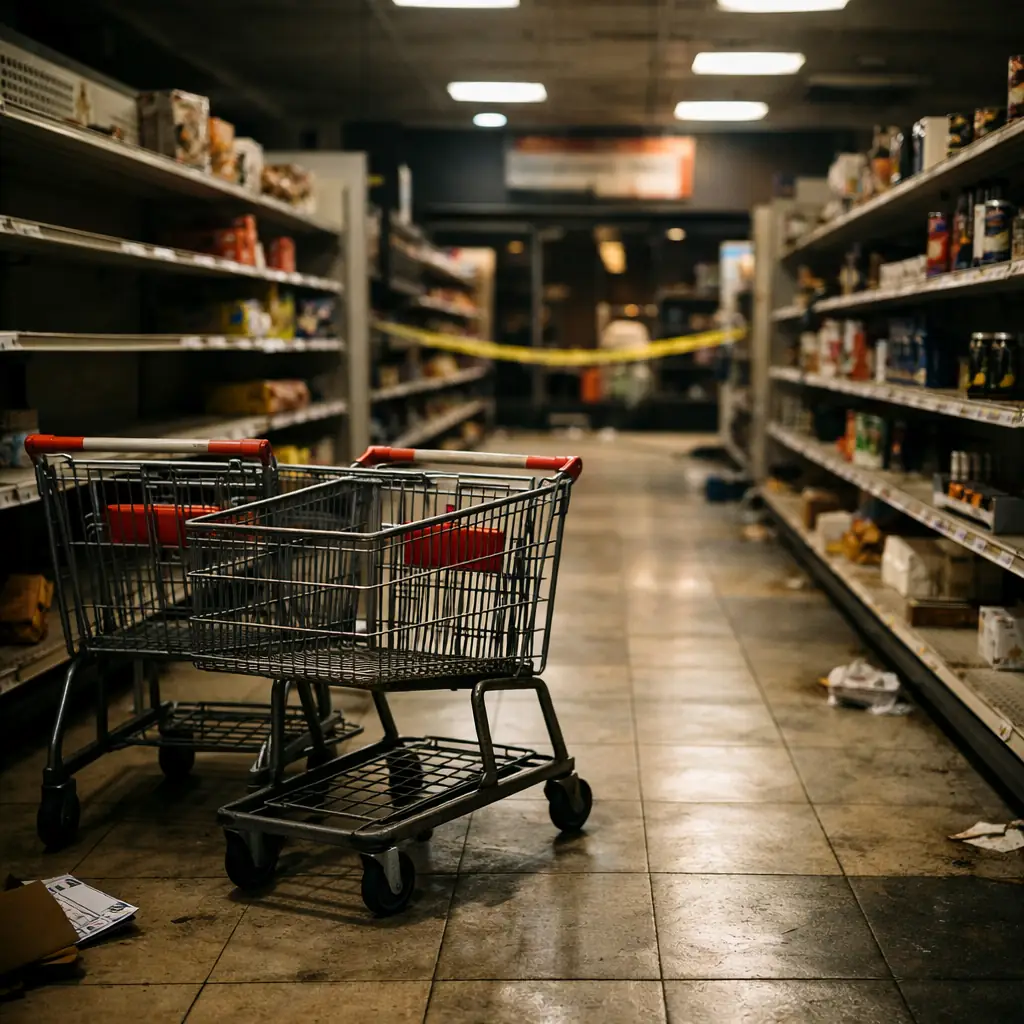

Albertsons (NYSE: ACI) is continuing to reshape its business in 2026 as the U.S. grocery giant closes additional stores, reduces its workforce, and redirects investment toward digital retail. The latest round of closures affects locations in Texas and follows a broader restructuring effort that began after the company’s proposed merger with Kroger was blocked by U.S. regulators.
The grocery retailer, which operates more than 2,200 stores under banners including Safeway, Vons, Tom Thumb, Shaw’s, Acme, Jewel-Osco, Randalls and Pavilions, says the changes are intended to improve long-term profitability while focusing resources on higher-performing markets and online services.
Texas store closures affect nearly 140 employees
The newest closures involve two Albertsons-owned stores in Tarrant County, Texas, located in Euless and Fort Worth. According to Worker Adjustment and Retraining Notification (WARN) filings, approximately 138 employees are expected to lose their jobs as the stores cease operations in late April.
The Texas locations are not isolated cases. Albertsons has been steadily reducing its physical footprint since 2025, when it closed around 20 stores across several states. Additional closures have since been announced under different company banners, including Safeway locations in Washington, D.C.
Rather than pursuing rapid expansion, the retailer appears to be concentrating on markets and stores that generate stronger financial returns.
Merger collapse forced a strategic reset
Albertsons’ direction changed significantly after its proposed $24.6 billion merger with Kroger was abandoned in late 2024 following legal challenges from federal and state regulators. The deal was expected to create a larger grocery chain capable of competing more effectively against Walmart and Costco.
With the merger no longer an option, Albertsons has had to pursue its own restructuring plan while operating independently in one of the most competitive retail sectors in the United States.
Competition remains intense. Walmart continues to dominate the grocery market through its nationwide scale and aggressive pricing, while Kroger and fast-growing regional chains such as H-E-B continue to expand customer loyalty in important markets. Warehouse retailers are also expanding aggressively, with Costco opening new warehouses in Utah and Florida as they compete for more shoppers.
Cost reductions remain a priority
Albertsons has previously announced plans to reduce approximately $1.5 billion in costs by 2027. Much of the savings are expected to come from administrative expenses, corporate restructuring and improvements in operating efficiency.
Beyond store-level layoffs, the company has eliminated hundreds of corporate positions as part of its broader cost-saving programme.
Higher labour expenses, elevated transportation costs and continued investment in technology have all increased pressure on supermarket margins over the past several years. Many retailers are now reviewing store performance more frequently than before the pandemic, resulting in closures where sales no longer justify operating costs.
Digital business receives greater investment
While the company is reducing its store count, it continues to invest in areas expected to drive future growth. Albertsons has expanded spending on online grocery ordering, home delivery, curbside pickup and customer loyalty technology.
Executives have also highlighted the company’s retail media platform, which generates advertising revenue by allowing brands to promote products through Albertsons’ digital channels using shopper data.
The strategy reflects a wider transformation taking place across food retail, where convenience and digital shopping have become increasingly important alongside traditional supermarket visits.
Industry research from Coresight Research projects that thousands of retail stores across the United States could close during 2026 as companies shift investment toward technology, automation and e-commerce instead of expanding physical locations.
Communities, workers and investors face different outcomes
The impact of store closures extends beyond Albertsons’ balance sheet. Employees face immediate uncertainty as jobs disappear, while neighbourhoods losing supermarkets may have fewer grocery options, particularly where alternative retailers are limited.
For investors, however, reducing underperforming locations can improve operating margins and free up capital for faster-growing parts of the business, including digital commerce and data-driven services.
Albertsons has reported gradual improvements in sales trends and expense management, although the company continues to operate in a market where competition remains exceptionally strong.
The retail industry is undergoing a major transformation as companies balance physical stores with online growth. Similar changes can be seen across the sector, with convenience retailers making difficult decisions such as 7-Eleven’s plan to close hundreds of stores during its restructuring.
Read More:
- Costco opens two new stores in Utah and Florida
- Snoop Dogg’s SnoopSicle arrives at Costco
- Visit the Swikblog homepage for more latest news
Albertsons’ latest restructuring shows that success is no longer measured simply by the number of stores a retailer operates. Instead, efficiency, technology investment and the ability to meet changing shopping habits are becoming the defining factors for long-term growth.

Make Swikblog your go-to source on Google for reliable updates, smart insights, and daily trends.