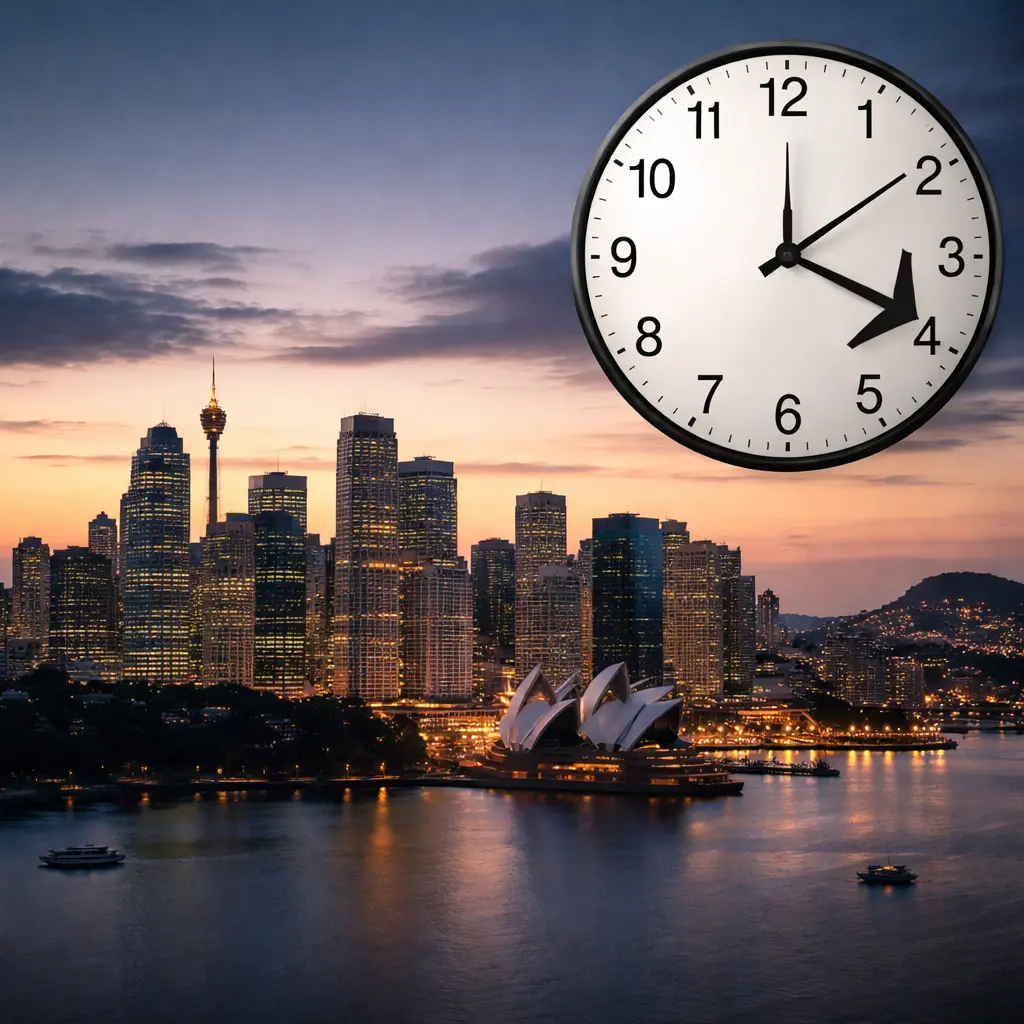

Millions of Australians are about to get an extra hour of sleep this weekend as daylight saving time comes to an end across several states.
At 3am on Sunday, April 5, clocks will roll back to 2am, marking the shift back to standard time. While most smartphones and digital devices will adjust automatically, traditional clocks and appliances will need to be updated manually.
The change applies to New South Wales, Victoria, South Australia, Tasmania, the ACT, and Norfolk Island. Meanwhile, Queensland, Western Australia, and the Northern Territory will remain unaffected, as they do not observe daylight saving.
While the extra hour in bed is a welcome bonus for many, the shift brings noticeable changes to daily life. Evenings will grow darker sooner, which can influence routines, social habits, and spending patterns.
Data from New South Wales shows that night-time activity often dips immediately after the clocks change. Spending at restaurants, bars, and retail venues drops by around 13%, while public transport use falls close to 15% during the first week.
Earlier sunsets can also affect how people move around their communities, with some concerns around visibility and safety for those travelling after dark.
For workers on overnight shifts, the time adjustment can have practical implications. The Fair Work Ombudsman notes that pay is generally calculated by actual hours worked, meaning a longer shift due to the clock change may still be counted differently depending on employment terms.
There are upsides, though. The return to standard time brings brighter mornings, which many Australians take advantage of for early exercise or outdoor routines. The earlier daylight can help reset sleep patterns, making it easier for some people to wind down in the evenings.
Health experts suggest easing into the transition by gradually adjusting sleep schedules, getting exposure to morning sunlight, and keeping a consistent routine in the days leading up to the change.
Daylight saving has long been a topic of debate in Australia. Originally introduced during World War I as a fuel-saving measure, it became a permanent fixture in Tasmania in 1967 before spreading to other states. However, not all regions have embraced it, with Queensland and Western Australia rejecting it in multiple referendums due to concerns over lifestyle disruptions.
For now, Australians in participating states will settle into darker evenings and brighter mornings until daylight saving returns on October 4.

Make Swikblog your go-to source on Google for reliable updates, smart insights, and daily trends.