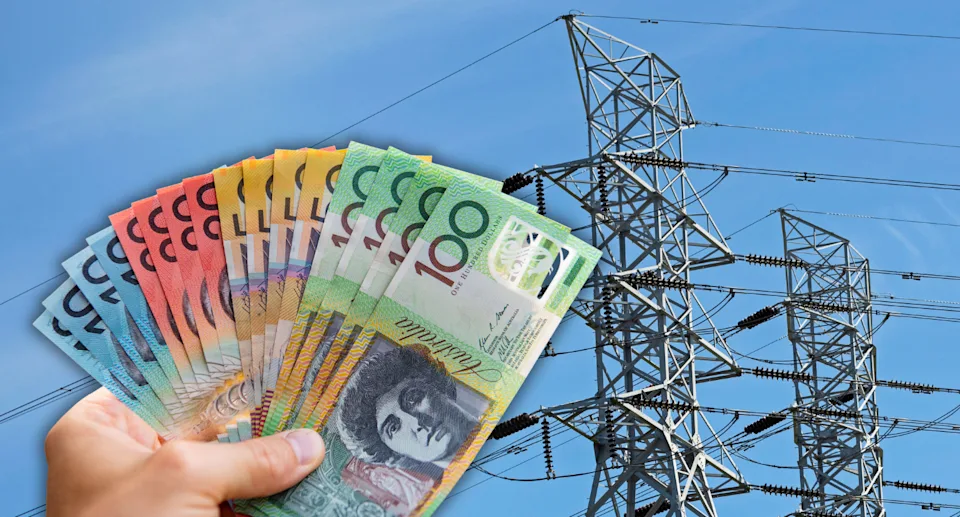

Millions of Australians could see changes to their electricity bills from July 1 as new consumer protections take effect and regulators push for a major redesign of how energy plans are offered across the country.
The reforms come as households continue to deal with higher living costs and growing pressure on household budgets. While some customers are expected to benefit from lower default electricity prices, the bigger story may be a proposed overhaul that aims to make power plans far easier to understand and compare.
The Australian Energy Market Commission (AEMC) believes the current system has become too complicated for many consumers, leading some households to stay on unsuitable plans or avoid switching providers altogether.
Why Australia Is Looking To Change Electricity Pricing
Over time, electricity plans have become increasingly complex. Many households are now faced with demand charges, time-of-use pricing, solar export tariffs and other technical pricing structures that can make comparing offers difficult.
According to the AEMC, consumers should not need to become energy experts simply to choose a suitable plan.
AEMC Chair Anna Collyer recently compared electricity pricing to buying milk. Consumers do not calculate farming, packaging and transport costs before purchasing milk at a supermarket, and the regulator believes electricity plans should become similarly straightforward.
Under the proposal, retailers would take on more responsibility for managing pricing complexity behind the scenes while presenting customers with simpler plans tailored to different household needs.
The recommendation would affect major providers such as AGL Energy and Origin Energy, while also encouraging smaller retailers to compete through clearer and easier-to-understand offers.
New Electricity Rules Begin From July 1
Several consumer-focused changes are already scheduled to start from July 1.
Retailers will generally be prevented from increasing prices on market retail contracts more than once per year, helping customers avoid multiple price rises within a short period.
Households whose discounts or promotional benefits expire will also receive additional protection. Customers should not automatically end up paying more than the standing offer price when those benefits come to an end.
The reforms will also remove excessive late-payment penalties and prohibit certain retail fees for vulnerable customers.
Together, the measures are designed to improve transparency and reduce bill shock for households across Australia.
Millions Could Benefit From Lower Default Electricity Prices
Default electricity offers are also changing from July, with many households expected to see lower prices.
In New South Wales, residential flat-rate standing offer prices are set to decline by between 3.4% and 5%, equal to annual savings of roughly $66 to $137 depending on location and network area.
Queensland households on default offers are expected to receive the largest reduction, with prices falling by approximately 7.2%, or about $155 annually.
Victorian households could see average savings of around $84 a year after default prices fall by approximately 5%.
South Australia is the only state among those highlighted where default offer prices are expected to increase, rising by around 1.4%, or approximately $33 annually.
Actual outcomes will vary depending on a household’s energy usage, current retailer and whether they are already on a competitive market contract.
Solar Owners Face A Different Challenge
Alongside the proposed retail pricing overhaul, the AEMC has also been examining how households contribute to electricity network costs.
A separate proposal would increase fixed network charges for all customers, including households with rooftop solar panels and battery systems.
The regulator estimates that the approach could generate up to $6 billion in network savings over the next 15 years and lower average bills by around $40 to $80 for many households without solar.
However, the proposal has generated debate because modelling suggests households with solar and batteries could be about $3,000 worse off by 2040 compared with current arrangements.
The issue highlights the balancing act facing policymakers as Australia transitions toward a cleaner and more decentralised energy system.
Free Electricity Offer Arrives For Eligible Households
Another notable change from July 1 is the launch of the government’s Solar Sharer Offer.
Eligible households with smart meters in New South Wales, South Australia and southeast Queensland will gain access to three hours of free daytime electricity.
The initiative is designed to encourage consumers to use more electricity during periods when solar generation is abundant and wholesale energy prices are typically lower.
Households able to shift activities such as washing, drying, dishwashing and water heating into those periods may be able to reduce overall electricity costs.
What Consumers Should Do Next
With multiple changes arriving at the same time, energy experts recommend reviewing existing plans before July 1.
Households should compare daily supply charges, usage rates, feed-in tariffs, contract conditions and any discounts that may soon expire.
Read More
Consumers can compare available plans using the Australian Energy Regulator’s official Energy Made Easy comparison service.
The push for stronger consumer protections in the electricity sector reflects a broader trend among policymakers seeking greater safeguards in areas that affect everyday Australians. Similar debates are emerging internationally, including Canada’s proposal to restrict social media access for children under 16 and introduce new rules for AI chatbots.
Although the AEMC’s broader electricity pricing overhaul remains at the recommendation stage, the direction is clear. Regulators want households to spend less time decoding complex energy plans and more time finding offers that match their needs, while the July 1 reforms are expected to bring immediate changes for millions of Australian electricity customers.

Make Swikblog your go-to source on Google for reliable updates, smart insights, and daily trends.