
A Saturday afternoon at Marcoola Beach on Queensland’s Sunshine Coast ended in tragedy after a 62-year-old Brisbane man drowned in rough surf, adding to what has already been a devastating week for the region’s beach community. Police said emergency crews were called to Beachway Parade at Marcoola at 1.42pm after the man went missing in the water. He was later pulled from the surf and assessed by paramedics, but despite urgent efforts, he could not be revived and was pronounced dead at 2.10pm.
The victim has been identified by police as a Chermside man from Brisbane. Authorities will now prepare a report for the coroner, which is standard procedure in sudden drowning deaths. While the investigation is not being treated as suspicious, the loss has renewed concern about the risks swimmers face when surf conditions turn dangerous along exposed coastal stretches.
Related on Swikblog: For more breaking news coverage and major Australia updates, visit Swikblog.
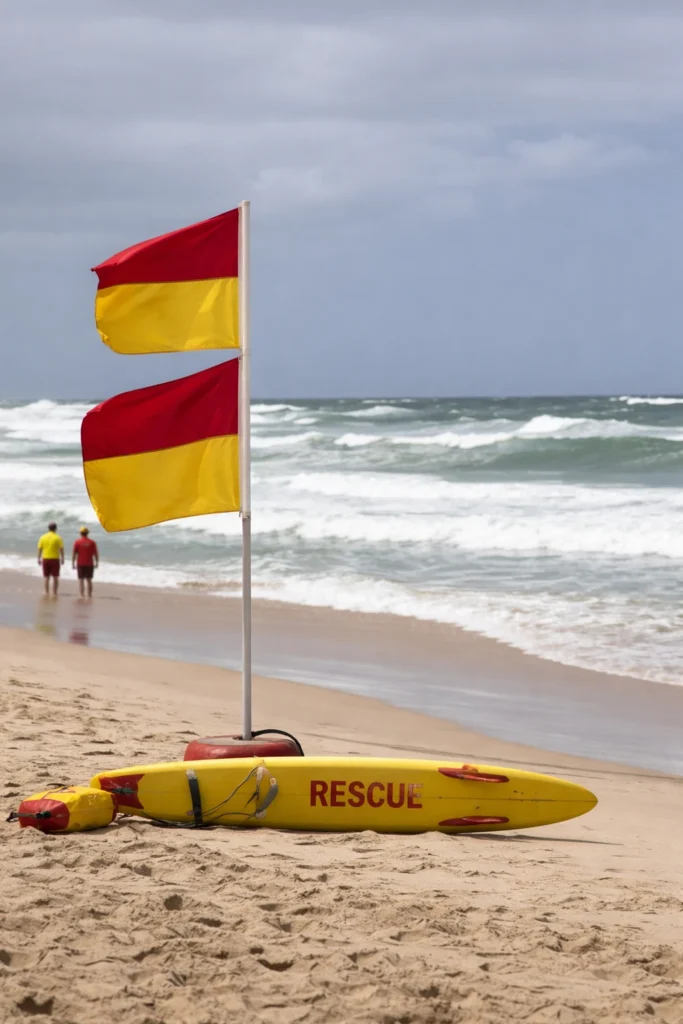
What makes this incident especially confronting is that Marcoola Beach had already been closed at the time. Surf Life Saving Queensland said the beach was shut because of rough conditions, a warning that underlines just how unpredictable the ocean can become even for experienced beachgoers. When beaches are closed, it usually signals elevated risk from strong currents, unstable shore breaks, heavy swell, or a combination of hazards that can quickly overwhelm swimmers.
Police said the man was reported missing in the surf before being recovered from the water. In those moments, every second matters. Emergency responders and lifesavers moved rapidly, but rough conditions can make rescue attempts much harder, especially when visibility is poor and waves are surging. Even short periods in turbulent surf can become life-threatening.
The incident has also drawn attention because a 15-year-old volunteer lifesaver was among those who assisted during the emergency response. That detail speaks to the reality of surf lifesaving on Australia’s beaches, where young volunteers are often thrust into traumatic situations while trying to protect complete strangers. Their role is critical, but incidents like this show the emotional weight carried by lifesavers whenever a rescue turns into a recovery.
This drowning is the second on the Sunshine Coast in a week. It comes just after the body of 18-year-old surf lifesaver Joe Tolano was found on Friday night following a search off Buddina Beach. The back-to-back tragedies have shaken coastal communities already deeply connected to the ocean, particularly surf clubs and volunteer rescue teams who spend the season trying to prevent exactly these kinds of losses.
For local residents, the death at Marcoola is another harsh reminder that beach danger is not limited to storm events or dramatic weather warnings. Sunshine, warm temperatures and a busy shoreline can create a false sense of safety, especially for visitors who may not recognise the warning signs. Closed beaches, strong shore dumps, hidden rips and shifting sandbanks can make conditions hazardous long before the water looks obviously threatening from the sand.
Marcoola is known for its open beach exposure, and like many parts of the Sunshine Coast, conditions can change quickly depending on swell direction and wind. That is why lifesavers and authorities repeatedly urge swimmers to check local conditions, obey beach closures, and avoid entering the water when red flags or closure notices are in place. Those warnings are not precautionary theatre. They are based on real-time surf assessments and the experience of people who understand how fast a manageable swim can turn into an emergency.
There is also a broader message here about beach safety culture. Australia’s coastline is central to daily life, especially on weekends, but familiarity can sometimes breed overconfidence. Many drownings happen not because someone planned to take a major risk, but because they underestimated a current, overestimated their own ability, or entered the water in conditions that changed too fast. Closed beaches, unpatrolled stretches, and rough surf are a dangerous combination.
The death of the Brisbane man will now be formally documented in a coroner’s report, but for family, friends, first responders and the volunteer lifesavers present, the human toll is already painfully clear. A routine beach outing became a fatal emergency in less than half an hour. For the Sunshine Coast, it is another difficult day in a week already marked by grief.
As the region processes two surf deaths in quick succession, the message from this tragedy is blunt and unavoidable: when conditions are rough and a beach is closed, staying out of the water can save your life. On a coastline as beautiful as the Sunshine Coast, that warning can be easy to ignore. This weekend’s events are a devastating reminder of why it should never be.

Make Swikblog your go-to source on Google for reliable updates, smart insights, and daily trends.