
ITV is officially ending CITV after 42 years, with the final children’s programming block on ITV2 set to be removed on April 10, 2026. The move effectively marks the complete shutdown of the long-running Children’s ITV brand, which has been part of British television since 1980 and shaped generations of after-school viewing.
The development has quickly become a trending topic across entertainment news and social media, as audiences react to the disappearance of a channel many grew up with. While ITV has been gradually phasing out CITV in recent years, the removal of its last remaining broadcast slot signals a definitive shift away from traditional children’s TV.
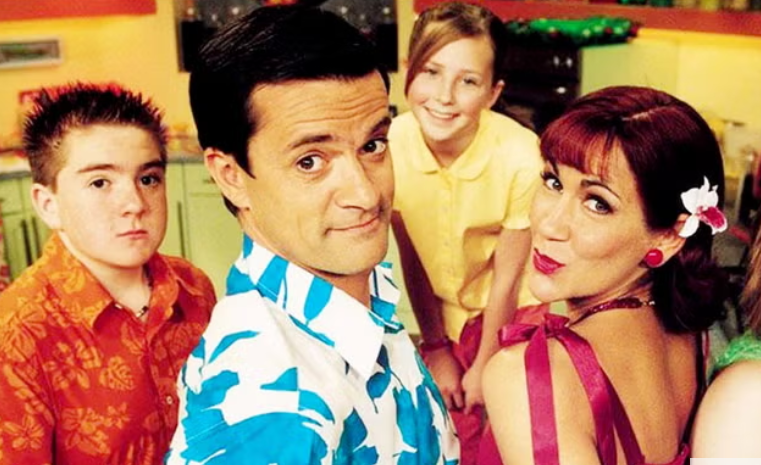
CITV began life as “Watch IT” before being rebranded as Children’s ITV, airing weekday afternoons to capture children returning home from school. Over the decades, it became synonymous with shows such as Art Attack, My Parents Are Aliens, Fraggle Rock, Tots TV and Grizzly Tales for Gruesome Kids, while also launching the careers of presenters including Holly Willoughby, Cat Deeley and Stephen Mulhern.
How CITV was phased out over time
The closure is not sudden but the final stage of a long transition. CITV’s traditional late-afternoon slot on ITV was removed in 2006, leading to the launch of a dedicated Freeview channel the same year. That channel allowed the brand to survive as a standalone destination for children’s content during the digital TV boom.
However, changing viewing habits steadily reduced its relevance. In 2023, ITV shut down the CITV channel entirely, replacing it with the ITVX Kids hub on its streaming platform. Some programming was moved back to broadcast via ITV2, where it aired in early morning slots, effectively reviving a reduced version of the brand.
That ITV2 block — often featuring classic cartoons such as Scooby-Doo and Looney Tunes — will now be removed, bringing CITV’s presence on linear television to an end. After April 10, all remaining content will exist exclusively online through ITVX.
According to industry observers, this final step reflects ITV’s strategy to consolidate children’s content into a digital-first ecosystem. The broadcaster is focusing on streaming, where younger audiences are increasingly concentrated, rather than maintaining costly broadcast slots with declining viewership.
This approach aligns with wider industry trends. Dedicated children’s channels have struggled globally as platforms like YouTube, Netflix and Disney+ dominate screen time among younger audiences. Even established UK brands have faced closures or reduced investment, raising concerns about the future of locally produced children’s programming.
Fan reaction and cultural impact
The response from viewers has been immediate and emotional. Many described CITV as a central part of their childhood, recalling routines built around watching shows after school or during weekend mornings. Online reactions have repeatedly referred to the shutdown as the “end of an era,” highlighting the cultural weight the brand carried.
Beyond nostalgia, CITV’s influence on British television has been significant. It provided a platform for homegrown storytelling and helped nurture talent both on-screen and behind the scenes. Programmes like Press Gang, created by future Doctor Who showrunner Steven Moffat, demonstrated the creative depth that children’s TV could achieve.
The channel also contributed to a shared viewing culture that is increasingly rare today. Unlike streaming platforms, CITV operated on fixed schedules, meaning millions of viewers experienced the same content simultaneously. That collective aspect played a key role in its lasting impact.
However, the economics of television have shifted. Producing original children’s content for broadcast has become more expensive relative to its reach, while advertising revenues are limited in the genre. Streaming platforms, by contrast, offer targeted distribution and data-driven insights, making them more attractive for broadcasters.
ITV has indicated that children’s programming will continue through its digital services, with ITVX Kids positioned as the central hub for younger viewers. Some CITV content may also be distributed across other platforms or broadcasters, including the BBC’s CBBC.
For more details on ITV’s digital transition, the broadcaster’s streaming platform can be explored via the ITVX service, which now houses the majority of its children’s catalogue.
While the content itself is not disappearing, the end of CITV as a broadcast brand marks a symbolic turning point. It reflects the decline of scheduled children’s television and the rise of personalised, on-demand viewing — a shift that continues to reshape the media landscape.
As the final CITV block leaves ITV2 screens, it closes a chapter that began more than four decades ago. What remains is a legacy of programmes, presenters and shared moments that defined childhood for generations — even as the way those stories are delivered moves firmly into the digital age.

Make Swikblog your go-to source on Google for reliable updates, smart insights, and daily trends.