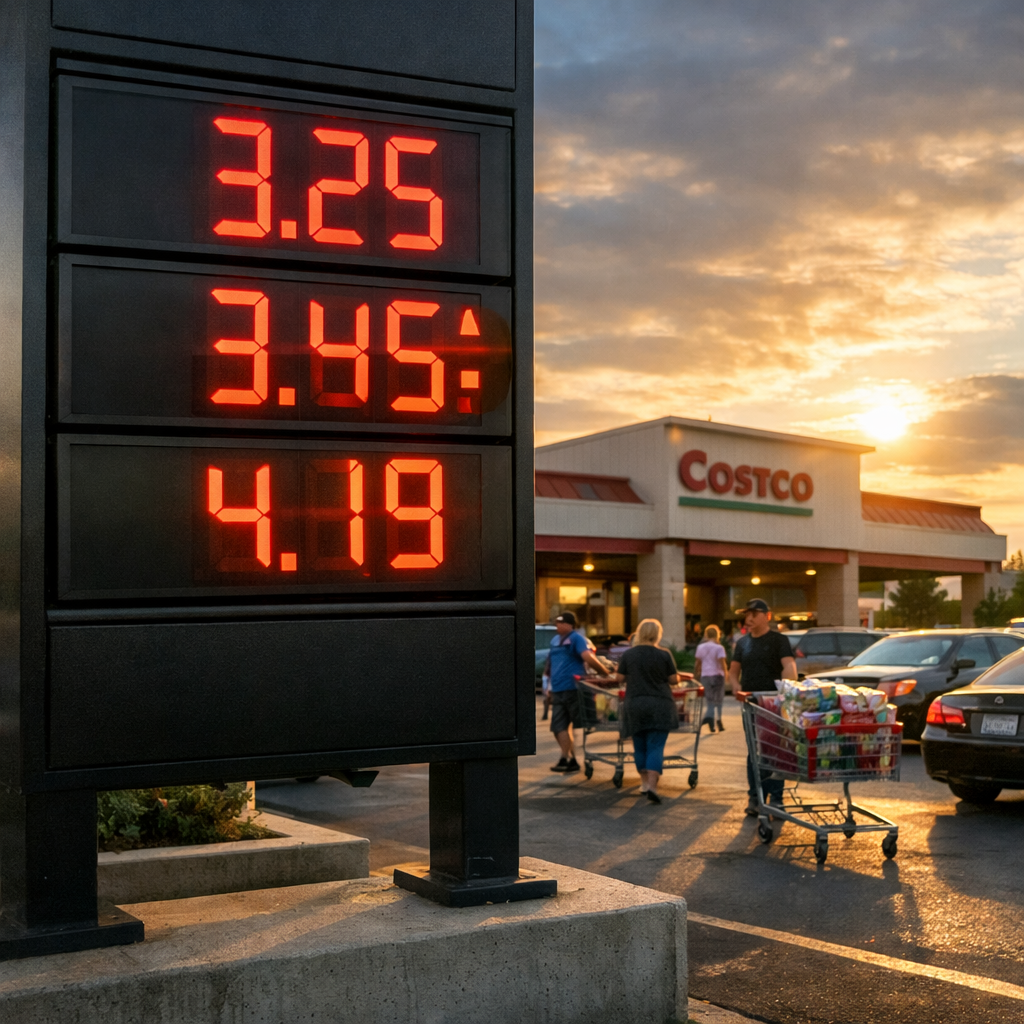

Costco members are used to finding low prices on groceries, household essentials, and bulk deals, but the company is now warning shoppers about a growing pressure that could affect costs across retail. The issue is not limited to one product category or one store. It starts with fuel.
Gas prices in the United States recently jumped by 27 cents in just one week, creating concern across the retail sector. While rising prices at the pump are frustrating for drivers, the bigger story is what those fuel increases can do to shipping, supply chains, and the cost of everyday goods. For a retailer like Costco, which depends on moving massive volumes of products efficiently, higher fuel costs can quickly become a serious challenge.
That is why Costco’s latest warning matters. The warehouse giant is not simply reacting to short-term headlines. It is signaling that if energy prices stay elevated, shoppers could eventually feel the effects through product availability, transportation costs, and broader price pressure across stores. You can also read our Costco membership savings guide for more ways shoppers try to cut costs during inflationary periods.
Why Costco Is Paying Close Attention
Costco has built its reputation on value. Even in periods of inflation, the company has worked hard to keep prices competitive and protect its members from sudden spikes wherever possible. During its recent earnings commentary, Costco executives noted that inflation had eased in some food categories, especially in areas like eggs, dairy, and produce. That was the good news.
The concern comes from what may happen next if fuel prices remain high. Rising gasoline and oil costs affect far more than what consumers pay at local gas stations. They also increase the cost of transporting goods by truck, ship, and distribution networks. For a company that operates at Costco’s scale, even modest increases in transportation expenses can have a ripple effect.
In simple terms, when it costs more to move products from suppliers to warehouses and then to stores, retailers either absorb those costs or pass some of them on to shoppers. Costco is known for trying to absorb as much as possible, but no retailer is completely immune when fuel markets become unstable.
What Is Driving the Spike in Gas Prices
The recent jump in gas prices follows rising tensions in the Middle East, which pushed oil prices higher and raised concerns about future supply disruptions. Global oil markets respond quickly to geopolitical shocks because traders immediately start pricing in the risk of reduced production, shipping delays, or regional instability.
That matters in the U.S. even though the country is less dependent on Middle Eastern oil than it was years ago. Oil is still part of a global market, and when prices climb internationally, American consumers and businesses often feel the impact. According to AAA gas price data, the national average for regular gasoline moved sharply higher after the latest market reaction.
For Costco shoppers, this creates a direct and indirect problem. The direct issue is obvious: filling up the car costs more. The indirect issue is that higher fuel prices can increase operating costs across the retail economy, which can eventually show up in prices for food, packaged goods, and household essentials.
Why This Matters for Everyday Shoppers
Higher gas prices often work like a hidden tax on household budgets. Families spend more money on commuting, errands, and travel, leaving less room for other purchases. At the same time, retailers and suppliers face higher transportation bills, which can create another wave of pricing pressure.
That is why Costco’s warning is important. It is not just about one quarter or one shipment. It is about what prolonged fuel inflation can do to consumer spending patterns. When households are forced to spend more on gasoline, they often pull back in other areas. That can change how people shop, where they shop, and what products they prioritize.
Many shoppers may start leaning even more heavily on warehouse clubs, store brands, and bulk purchases to stretch their budgets. That could actually strengthen Costco’s value appeal, especially if traditional grocery chains struggle to keep prices competitive.
Costco’s Best Defense Is Still Value
One of Costco’s biggest advantages during uncertain times is its Kirkland Signature brand. The retailer has repeatedly positioned Kirkland as a way to offer quality comparable to national brands at meaningfully lower prices. In a tougher economic environment, that becomes even more important.
Costco has said that Kirkland products often deliver 15% to 20% better value than comparable branded alternatives. That kind of pricing power can help soften the impact of inflation for members who are watching every dollar. If fuel costs continue rising, Costco may rely even more on private-label strength, supply chain efficiency, and disciplined pricing to protect shopper loyalty.
Shoppers looking to keep grocery bills under control may also want to explore our best Kirkland products to save money roundup, especially if price pressures continue building over the next few months.
What Shoppers Should Watch Next
The biggest question now is whether the recent jump in gas prices is temporary or the start of a broader trend. If oil prices keep climbing, retailers across the country may face another round of cost pressure. Costco appears to be preparing early by monitoring inventory, watching shipping conditions, and staying aggressive on value.
For shoppers, the takeaway is simple. Costco is not saying that prices everywhere are about to surge overnight. It is saying that fuel costs and global instability can affect the retail landscape faster than many consumers realize. That makes this warning worth paying attention to.
If gas prices keep rising, Costco members may see why the company continues emphasizing bulk savings, private-label value, and price discipline. In a market shaped by uncertainty, those strengths could matter more than ever. For broader market context, Reuters has also reported on how geopolitical tensions are influencing oil and fuel markets.

Make Swikblog your go-to source on Google for reliable updates, smart insights, and daily trends.