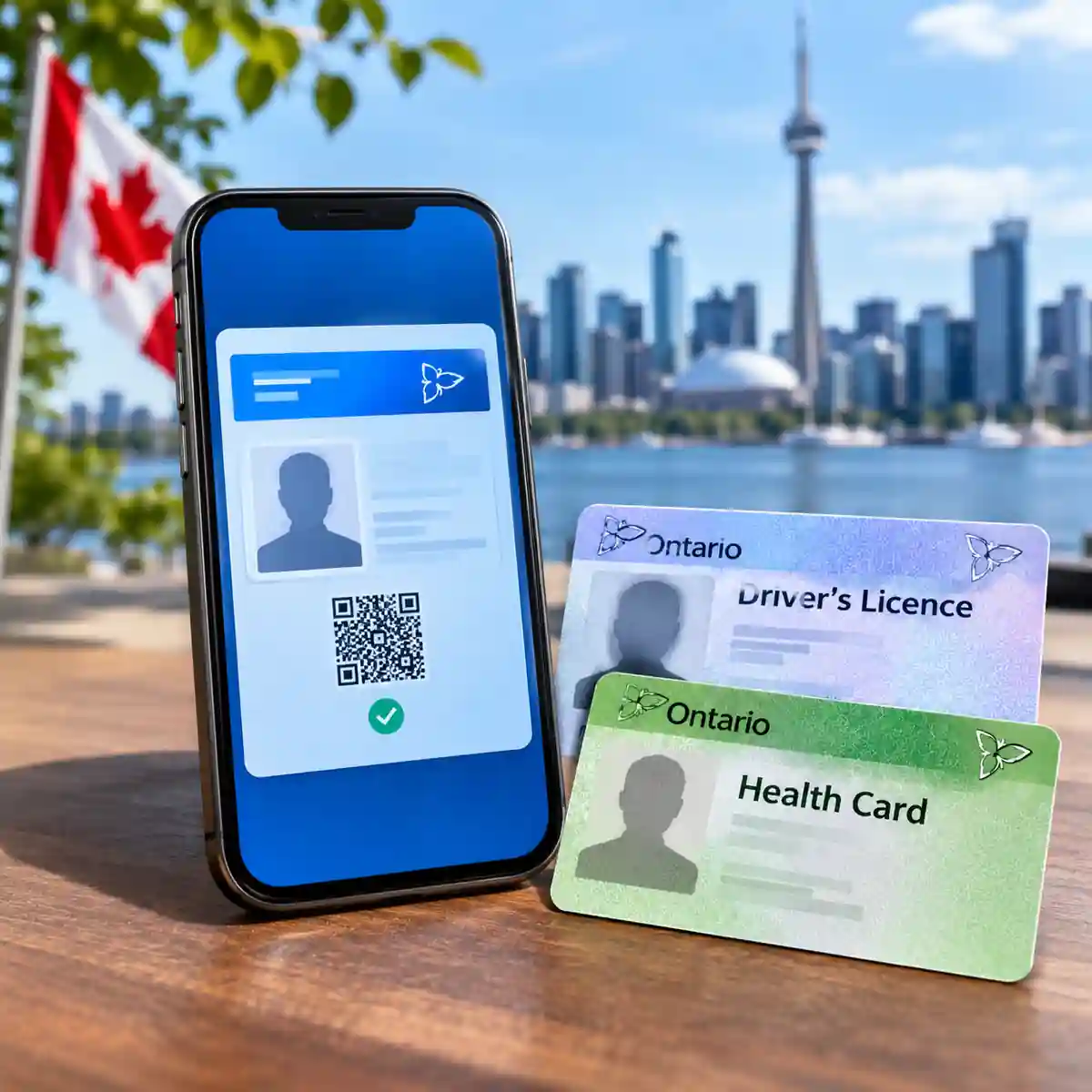

LONDON — Buying alcohol in England and Wales changed on Tuesday, September 15, 2026, as pubs, bars, restaurants and shops gained the legal option to accept approved digital ID apps as proof of age.
Pubs and retailers to accept digital ID as proof for buying alcoholhttps://t.co/qQjQD6RVSZ
— LBC (@LBC) September 15, 2026
The move means customers can now prove they are over 18 using a certified digital identity on their phone instead of relying only on a passport or driving licence. But the rollout is voluntary, so not every venue will accept phone-based ID immediately.
For consumers, the biggest change is convenience. For businesses, it creates another way to carry out age checks while potentially reducing the amount of personal information customers need to reveal.
How digital ID works when buying alcohol
Customers can use approved digital verification services such as Yoti, Post Office EasyID or Luciditi, provided the service meets government requirements.
The user must authenticate themselves before the age check is generated. Depending on the provider, this can involve facial verification, a PIN or another secure login method.
The app can then produce a scannable QR code or another digital credential that confirms the customer meets the required age threshold. Some systems use short-lived codes designed to make copying, forwarding or reusing another person’s proof of age more difficult.
A screenshot of your driving licence will not count
The rule change does not mean customers can simply show a photo of a passport or driving licence stored on their phone.
Digital proof of age must come through an eligible verification service operating under the government’s approved framework.
The UK government’s official guidance on digital proof of age for alcohol sales explains how the new system is intended to provide secure verification rather than relying on a simple image of an identity document.
Not every pub or shop has to accept it
The change gives licensed businesses permission to use digital ID, but it does not force them to adopt the technology.
One pub may accept a phone-based age check while another continues asking for physical identification. Supermarkets, restaurants and event venues can also decide which verification methods they are prepared to use.
That means customers should not assume they can leave their physical ID at home everywhere from day one.
Physical ID and Challenge 25 remain
Passports, driving licences and other accepted physical documents can continue to be used. The digital system is an additional option rather than a complete replacement.
Businesses can also continue operating Challenge 25 policies, meaning anyone who appears under 25 may be asked to prove they are at least 18 before alcohol is sold.
Privacy is one of the biggest changes
A physical driving licence can reveal more information than a bartender or cashier needs, including a full name, full date of birth and home address.
A digital service can instead confirm that a customer meets the required age threshold without necessarily displaying all of those personal details.
Digital government minister Stephanie Peacock has said the system could allow people to avoid carrying physical ID and reduce the amount of sensitive information they hand over.
Security checks aim to stop borrowed digital IDs
Providers also need safeguards to establish that the digital identity belongs to the person presenting it.
That can include facial matching, PIN authentication, device security and time-limited verification codes. In some cases, staff may also receive a verified photograph to compare with the customer.
The aim is to make it harder for someone to borrow an older friend’s phone or reuse another person’s age credential.
UK Student Loan Guidance Changes: What Borrowers Need to Know
UK Minimum Wage Crackdown 2026: What Employers and Workers Need to Know
Digital age checks are becoming more common
The alcohol change forms part of a broader move toward digital age verification in Britain. Smartphone users have already encountered similar issues around UK age-verification changes affecting iPhone users, as technology companies and regulators introduce new ways to confirm a user’s age.
The rule change also arrives during a wider period of regulatory changes affecting consumers and businesses, including England’s new school food rules taking effect from 2027.
There are still concerns over digital exclusion
Digital-rights campaigners have warned that phone-based identification should not become the only practical way to prove age.
Some people may not own a suitable smartphone, may lack the digital skills needed to use an ID app or may prefer physical identification because of privacy and security concerns.
That makes maintaining practical alternatives important as digital verification becomes more common.
Tobacco and vape purchases could be next
The government hopes digital proof of age could eventually be extended to other age-restricted products, including tobacco and vapes.
For now, the practical message for customers is clear: approved digital ID can legally be used for alcohol age checks in England and Wales, but acceptance still depends on the individual pub, shop or venue. Carrying physical ID remains the safest option while the new system rolls out.

Make Swikblog your go-to source on Google for reliable updates, smart insights, and daily trends.