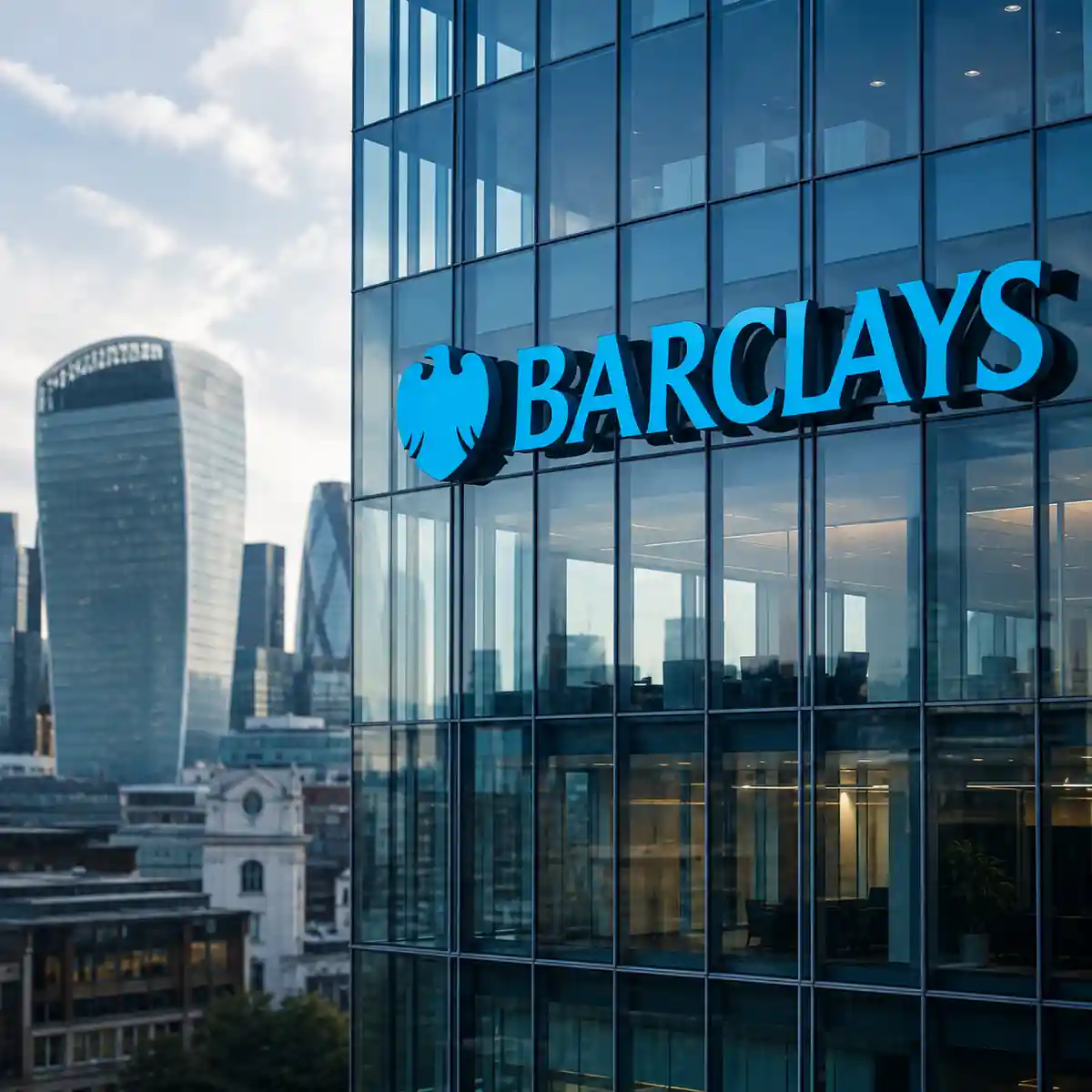
Eli Lilly stock slipped about 1.5% Friday even as Barclays stepped in with a confident call: an Overweight rating and a $1,350 price target. For investors, that mismatch is the story. When a market leader trades at a premium and the narrative is already widely loved, even bullish coverage can arrive alongside a pause, a pullback, or plain profit-taking.
Still, the Barclays thesis is clear. Lilly sits at the center of the obesity-drug shift, with GLP-1 and incretin therapies reshaping how weight management is treated across healthcare systems. The bank’s view is that this is not a short trend, but a long runway that could expand for years as access improves, capacity ramps up, and new indications broaden the addressable market.
Why the stock dipped anyway
A down day on bullish coverage often says more about positioning than fundamentals. Lilly’s run has made it one of the most crowded “quality growth” trades in healthcare. In that setup, the bar is high. A fresh initiation can confirm the narrative without immediately changing the near-term supply-and-demand dynamics that move a stock day to day.
There’s also the reality that the GLP-1 theme has become a market-wide storyline. With so many portfolios already exposed, incremental upgrades can feel like validation rather than surprise. That can lead to a common pattern: enthusiasm in the notes, consolidation on the chart.
Barclays’ core argument: obesity becomes a structural category
Barclays highlighted Lilly’s position in obesity treatments, framing GLP-1 therapies as a long-term shift beyond traditional “diet and exercise” discussions. In market terms, that matters because structural categories can support durable premium multiples. If obesity care becomes more normalized, more reimbursed, and more widely prescribed, leaders can capture a large slice of recurring demand.
For Lilly, the bullish setup is reinforced by scale: brand recognition, commercial execution, expanding manufacturing, and clinical momentum that can defend share even as competition intensifies. The call implicitly assumes that leadership in obesity is not just a revenue tailwind, but a platform that supports adjacent growth in cardiometabolic care over time.
Valuation: premium price, premium expectations
Even bulls acknowledge Lilly is not cheap. The stock is trading at a premium to many large-cap pharma peers, with a P/E around 44.47. Barclays’ view is that the premium reflects category leadership and growth. A PEG near 0.46 is often used as a shorthand for “growth can justify price,” but it also highlights what the market demands from Lilly: sustained execution and visible growth that remains ahead of peers.
One data point investors are watching closely is how quickly obesity demand can translate into scalable supply. When supply constraints ease, a leader can convert interest into revenue more efficiently. When constraints persist, demand may be real but growth can look uneven quarter to quarter.
Growth engine check: revenue up about 45%
Lilly’s recent growth profile has been one of the strongest in global pharma. The company’s revenue is up roughly 45% over the past year, helping push its market capitalization toward $914 billion. Those numbers help explain why Lilly trades the way it does: the market is not valuing it like a mature defensive pharma name, but more like a category-defining compounder with multiple growth drivers.
That also explains why small pullbacks happen. When a stock carries a premium narrative and premium valuation, investors tend to demand constant proof that momentum remains intact.
Pipeline headlines beyond obesity
While obesity drugs dominate the conversation, Lilly has been stacking additional catalysts across its portfolio. Recent updates included sustained efficacy data over three years for Omvoh in patients with moderate-to-severe Crohn’s disease, supporting the case that the company’s immunology franchise can deliver durable outcomes.
Separately, early results combining Taltz with Zepbound showed improved outcomes in plaque psoriasis compared with Taltz alone. Even early signals like this matter to markets because they suggest potential cross-franchise opportunities that extend the value of blockbuster platforms.
$1 billion India plan adds a strategic supply-chain angle
Another detail investors are taking seriously is Lilly’s plan to invest $1 billion in India to expand global manufacturing through contract partners. The strategic logic is straightforward: obesity and diabetes demand is global, and capacity is a competitive moat. Scaling supply is not only about meeting prescriptions today, but about protecting margins, improving reliability, and building flexibility for future launches.
For more on the India manufacturing strategy, see this Reuters report.
What Wall Street targets are signaling
Barclays isn’t alone. Other firms remain constructive, with recent targets including $1,200 from Freedom Capital Markets and $1,250 from UBS. The spread matters: it shows analysts generally agree on the strength of the obesity story, but differ on how much future success is already priced in.
When targets cluster above the current price, it can support investor confidence during pullbacks. But the market will still trade on the next big variables: prescription trends, supply expansion, competitive data, and reimbursement signals that determine how large the obesity category can become in practice.
What to watch next for LLY
For long-term holders, the near-term question is less about a one-day dip and more about whether Lilly can keep turning category leadership into expanding earnings power. That means watching demand versus supply, pipeline readouts that widen the story beyond obesity, and margin resilience as manufacturing scales.
If the obesity market truly becomes a multi-year structural shift, Lilly’s premium valuation can remain supported. If growth cools or competition accelerates faster than expected, the multiple becomes the pressure point.
You may also like: Pfizer stock falls to 26.62 after downgrade despite FDA priority review boost

Make Swikblog your go-to source on Google for reliable updates, smart insights, and daily trends.